Honey processing machinery and deep processing techniques provide the critical infrastructure necessary to transform simple beekeeping operations into resilient, multi-faceted manufacturing enterprises. By integrating these technologies, supply chains gain the ability to convert raw agricultural output into standardized, high-value consumer goods and specialized derivatives.
Adopting specialized processing equipment allows enterprises to mitigate the risks of volatile raw honey markets by diversifying into high-value derivatives like propolis soaps and royal jelly. Simultaneously, automated machinery ensures the hygiene, precision, and standardization required to transition from local agricultural sales to international retail supply chains.
Expanding Value Through Product Diversification
Moving Beyond Raw Material Dependency
The primary advantage of deep processing is the ability to diversify product offerings. Instead of relying solely on raw honey, which is subject to market fluctuations, specialized machinery allows for the production of derivatives such as propolis soaps, bee bread, and processed bee pollen.
Creating High-Value Derivatives
Deep processing unlocks the potential for creating products with significantly higher profit margins. By utilizing extraction technology, raw materials can be converted into goods with medicinal or skincare applications, such as wound healing treatments or eye care products.
Mitigating Economic Vulnerability
Diversification serves as a financial buffer for beekeeping enterprises. By selling a wider range of processed goods, smaller operations reduce their exposure to the price volatility of the primary honey sector and adapt more effectively to global market demands.
Standardization and Global Market Access
Transforming Agriculture into Retail
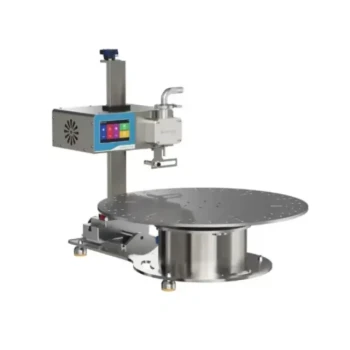
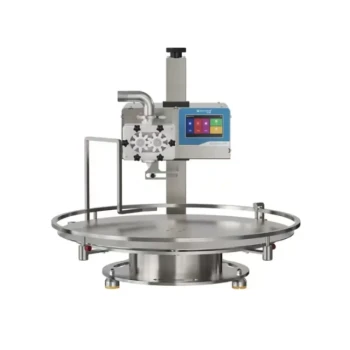
Automated filling machinery facilitates the conversion of bulk agricultural products into standardized retail goods. Through precise weighing, sealing, and labeling, equipment provides the technical foundation necessary for brand development.
Meeting International Hygiene Standards
Accessing global supply chains requires strict adherence to hygiene protocols. Professional processing equipment ensures products meet these standards by performing operations under sterile conditions, effectively preventing secondary contamination.
Building Consumer Trust
Whether for export or local urban consumption, standardized processing builds credibility. Advanced filtration and filling systems ensure that the final product is consistent and safe, which is essential for maintaining the reputation of honey-exporting regions.
Operational Efficiency and Quality Control
Precision and Waste Reduction
Automated machinery utilizes high-precision fluid control technology to ensure consistent filling across batches. This reduces material waste and maximizes the yield from apiaries, which is particularly critical during periods of unstable yields caused by climate change.
Preserving Nutritional Integrity
Modern processing equipment often utilizes closed-loop operations. This protects the honey from external elements during extraction and packaging, preserving its nutritional integrity and natural flavor while meeting the high-volume requirements of the food industry.
Supporting Short-Chain Models
For local markets, professional small-scale equipment supports a "short-chain" supply model. This reduces transport distances and logistics losses, lowering carbon emissions while ensuring urban consumers receive fresh, high-quality products.
Understanding the Trade-offs
Capital Investment vs. Long-Term Gain
While machinery generates the financial capital necessary for continued growth, the initial investment is significant. Small operators must balance the cost of industrial-grade automation against their current production volume to ensure a positive return on investment.
Maintenance and Technical Expertise
Transitioning to deep processing shifts the operational focus from pure beekeeping to manufacturing. This requires new technical skills to maintain complex machinery and ensure that "deep processing" does not compromise the natural qualities of the product through over-processing.
Making the Right Choice for Your Goal
To maximize the benefits of processing technology, align your equipment choices with your specific business objectives:
- If your primary focus is Market Resilience: Invest in deep processing machinery to create value-added derivatives like propolis soaps and medical-grade products that are immune to raw honey price drops.
- If your primary focus is Export and Scale: Prioritize automated filling and filtration systems that guarantee the hygiene certifications and standardized packaging required by international retailers.
True supply chain maturity is achieved when technology transforms a variable harvest into a consistent, diversified product line.
Summary Table:
| Advantage Category | Key Benefit | Technical Integration |
|---|---|---|
| Market Expansion | Diversification into high-value derivatives | Propolis & royal jelly extraction |
| Global Compliance | Standardization for international export | Automated filling & sterile filtration |
| Operational Efficiency | Precision filling & waste reduction | High-precision fluid control systems |
| Quality Control | Preservation of nutritional integrity | Closed-loop processing technology |
Elevate Your Commercial Apiary with HONESTBEE
As a premier global supplier, HONESTBEE empowers commercial apiaries and distributors by bridging the gap between raw harvesting and high-value manufacturing. We offer a comprehensive wholesale portfolio, including:
- Advanced Machinery: Hive-making, honey-extraction, and precision honey-filling machines.
- Specialized Tools: Professional-grade beekeeping equipment and industrial consumables.
- Deep Processing Support: Solutions for creating high-margin honey-themed merchandise.
Ready to transform your operation into a resilient, standardized enterprise? Contact HONESTBEE today to access the professional tools and machinery needed to lead the global honey market.
References
- I Gede Pasek Mangku, Mia Bella R. Fresnido. Strengthening Capacity Of “Sarining Trigona Pertiwi” Beekeeper Through International Networking. DOI: 10.29165/ajarcde.v9i1.338
This article is also based on technical information from HonestBee Knowledge Base .
Related Products
- Fully Automatic Honey Filling Packaging Machine for Processing Line
- Electric Double Wall Honey Filtering Machine Purifier Equipment for Honey Processing Plant
- Economy Honey Homogenizer Mixer and Melting Machine for Beekeeping
- Heavy Duty Stainless Steel Honey Processing Machine Decrystallizing Tank
- Economy Small Honey Filling Machine Honey Bottle Filler Packaging Machine
People Also Ask
- Why are fully automatic honey filling and packaging lines essential? Boost Your Honey's Market Value and Quality
- What is a fully-automatic honey filler? Streamline Your Production with High-Precision Automation
- How do automated honey filling and packaging machines affect profitability? Boost Margins with HONESTBEE Technology
- How do automated honey filling and packaging machines contribute to the market value of honey products? Maximize Your ROI
- How do industrial-grade automated honey filling and packaging machines mitigate the risk of physical contamination?