The primary purpose of applying non-transparent silicone-based sealant is to create a robust moisture barrier. This sealant specifically targets the exterior joints of the hive, preventing rainwater and humidity from infiltrating the wooden assembly. By sealing these gaps, you protect the internal structure from the damaging effects of water accumulation.
Core Takeaway Applying non-transparent silicone-based sealant creates a weather-resistant elastic barrier that effectively blocks moisture penetration. This preventative step is critical for stopping wood rot at the source and significantly extending the operational lifespan of your beekeeping equipment.
The Mechanics of Protection
Creating a Physical Shield
The sealant functions as a weather-resistant elastic barrier. When applied correctly, it fills the microscopic and visible gaps between wooden components that are naturally vulnerable to the elements.
Preventing Internal Saturation
The goal is to stop moisture from penetrating the internal joints. Once water enters these seams, it becomes difficult to dry out, creating a persistent damp environment that compromises the hive's integrity.
Preserving Your Investment
Eliminating the Cause of Rot
Moisture accumulation is the leading cause of wood rot in beekeeping equipment. By blocking the entry points for rainwater, the sealant removes the primary catalyst for fungal decay and structural failure.
Extending Equipment Lifespan
Wooden hive components represent a significant financial investment. Integrating a sealant regimen into your assembly process directly results in extending the operational lifespan of this equipment, reducing the frequency and cost of replacements.
Critical Application Considerations
The Importance of Smoothing
Simply applying the material is not enough; the reference emphasizes the need for smoothing a bead of sealant. This ensures a continuous, unbroken seal along the seam, which is necessary to fully form the protective barrier.
Material Safety
The sealant used must be non-toxic. While the goal is weatherproofing, the material is in close proximity to a living colony, making chemical safety a non-negotiable requirement for the sealant selected.
Ensuring Hive Longevity
To get the most out of your wooden beekeeping equipment, consider your specific maintenance goals:
- If your primary focus is durability: Prioritize the application of sealant on all exterior seams to form a complete weather-resistant barrier against rain.
- If your primary focus is cost-efficiency: Use this sealing method to prevent wood rot, thereby maximizing the usable years of your existing equipment.
Properly sealing your hive joints is a small upfront effort that yields years of structural reliability.
Summary Table:
| Feature | Purpose & Benefit |
|---|---|
| Material Type | Non-toxic, non-transparent silicone-based sealant |
| Primary Function | Creates a weather-resistant elastic moisture barrier |
| Key Target | Exterior joints and assembly seams |
| Major Benefit | Prevents wood rot and internal structural saturation |
| Long-term Value | Extends the operational lifespan of wooden hive components |
Maximize the Longevity of Your Apiary with HONESTBEE
High-quality wooden equipment is a major investment for any commercial apiary or distributor. At HONESTBEE, we understand that durability is the key to profitability. We provide a comprehensive range of professional beekeeping tools, specialized hive-making machinery, and essential consumables designed to withstand the elements.
Whether you are looking to source weather-resistant hive components or need high-efficiency honey-filling machines to scale your operations, our wholesale solutions are tailored to meet your industrial needs. Don't let wood rot compromise your productivity.
References
- Jamie Ellis, Catherine M. Zettel Nalen. Preserving Woodenware in Beekeeping Operations. DOI: 10.32473/edis-aa244-2012
This article is also based on technical information from HonestBee Knowledge Base .
Related Products
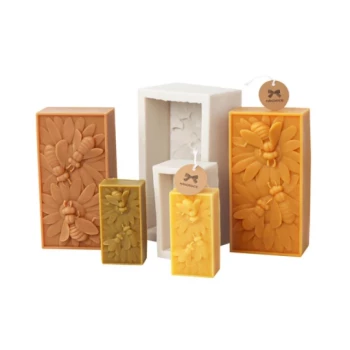
- Bee Floral Relief Silicone Mold for Artisan Soap Candle Making
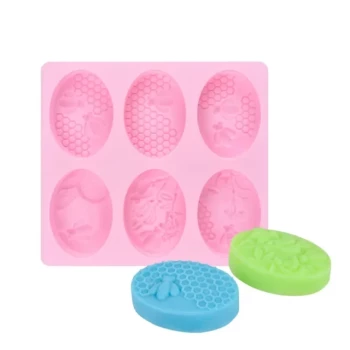
- Premium 6-Cavity Bee and Floral Themed Silicone Soap Mold
- Precision Stainless Steel Frame Cleaner for Hive Grooves and Corners
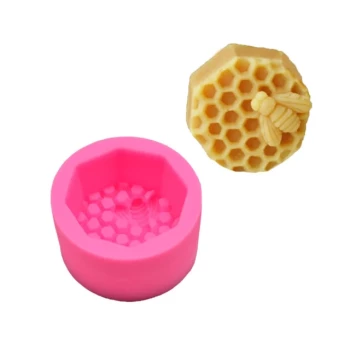
- Hexagonal Bee Honeycomb Silicone Soap Mold by HONESTBEE
- Professional Insulated Plastic Bee Hives
People Also Ask
- Is spray release necessary when using silicone molds for candle making? Master the Art of Flawless Demolding
- How do you secure a silicone mold for candle making? Prevent Leaks and Achieve Perfect Candles
- Why are silicone molds preferred over tin or plastic molds for beeswax candles? Boost Efficiency & Quality
- What are the advantages of silicone molds for queen cell cups? Upgrade Your Queen Rearing Precision
- How do you remove a finished candle from the mold? Master the Art of Flawless Demolding