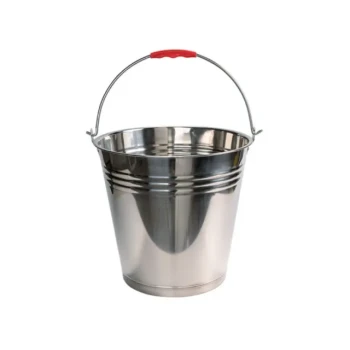
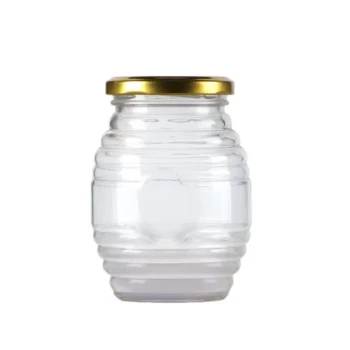
Optimizing bee energy expenditure is the primary functional purpose of installing arboreal water storage in this symbiotic system. In arid or water-scarce environments, hanging large-capacity containers directly on cashew trees provides colonies with an immediate, stable water source, eliminating the need for bees to perform long-range foraging flights just to stay hydrated.
By bringing water directly to the canopy, you fundamentally alter the hive's energy budget. Instead of burning calories searching for distant water sources, bees redirect that energy toward nectar collection, resulting in significantly higher pollination efficiency and improved cashew nut yields.
The Bioenergetics of Pollination
The core logic behind this system is simple: distance equals energy. Every meter a bee flies to fetch water is a meter not spent pollinating a cashew flower.
Reducing Foraging Range
In arid seasons, natural water sources retreat, forcing bees to fly longer distances to sustain the hive.
By hanging water containers on the trees, you artificially shorten this supply chain. This ensures that water is always available within the immediate vicinity of the nectar source.
Redirecting Energy to Production
The primary reference indicates a direct conversion of saved energy into productivity.
When bees are relieved of the burden of long-distance water runs, they dedicate their remaining energy to nectar collection. This increased activity on the flowers leads to more frequent pollination events per tree.
Stability in Arid Climates
Cashews often grow in regions subject to dry spells. A "large-capacity" container is critical here because it provides a stable buffer.
Small sources evaporate or deplete quickly. A large, hanging reservoir ensures the colony does not face intermittent water stress, allowing them to maintain peak activity levels even during the harshest parts of the season.
Implementation Considerations
While the benefits to yield are clear, successful implementation requires attention to physical constraints.
Structural Integrity
Hanging "large-capacity" containers introduces significant weight to the biological system.
You must ensure the selected cashew tree branches can support the static load of a full water container without risking damage to the tree, which would defeat the purpose of the symbiotic relationship.
Strategic Timing
The utility of this system is highest during arid seasons.
In times of heavy rainfall or abundant ground water, the return on investment for maintaining these hanging systems decreases. The system is a targeted intervention for water scarcity, not a universal requirement for all climates.
Making the Right Choice for Your Orchard
To maximize the benefits of this symbiotic system, align your strategy with your environmental conditions:
- If your primary focus is maximizing nut yield: Prioritize hanging containers during the flowering stage to ensure maximum bee traffic is focused on pollination rather than survival.
- If your primary focus is colony health: Ensure the containers are refilled regularly during the peak arid season to prevent the hive from stressing due to resource scarcity.
This system effectively converts a basic resource—water—into a tangible agricultural output.
Summary Table:
| Key Feature | Benefit in Symbiotic System | Impact on Productivity |
|---|---|---|
| Arboreal Water Source | Eliminates long-range foraging for hydration | Reduced bee energy expenditure |
| Large-Capacity Buffer | Provides stability during peak arid seasons | Constant hive hydration and health |
| Energy Redirection | Bees focus on nectar collection over survival | Increased pollination & cashew yield |
| Strategic Placement | Localizes resources within the tree canopy | Maximum foraging efficiency |
Maximize Your Orchard's Potential with HONESTBEE
At HONESTBEE, we understand that efficient resource management is the backbone of a successful commercial apiary. Whether you are managing a cashew-beekeeping symbiotic system or a large-scale honey production facility, we provide the industrial-grade tools you need to thrive.
Our Value to You:
- Comprehensive Wholesale Equipment: From specialized hive-making and honey-filling machinery to professional-grade beekeeping tools.
- Essential Consumables: A reliable supply of industry-standard consumables to keep your operations running smoothly.
- Growth & Culture: Expand your brand with our unique range of honey-themed cultural merchandise.
Are you a distributor or a commercial beekeeper looking to optimize your yield and streamline your supply chain? Let us help you scale your operations with precision-engineered equipment.
Contact HONESTBEE Today to Discuss Your Wholesale Needs
References
- Athanase Diatta, Landing Ndiaye. Effet de l’apiculture sur les Plantations d’anacardiers (Anacardium Occidentale L.) dans les Regions de Sedhiou et Kolda au Sud du Senegal. DOI: 10.19044/esj.2023.v19n24p222
This article is also based on technical information from HonestBee Knowledge Base .
Related Products
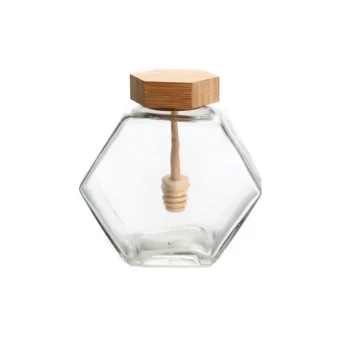
- Hexagonal Glass Honey Jar with Wooden Lid Integrated Dipper Elegant Functional Storage
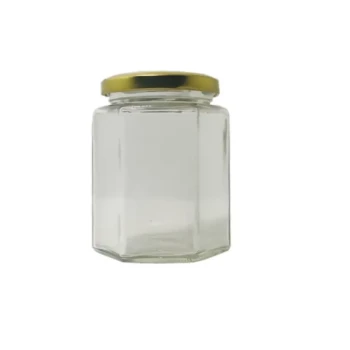
- Hexagonal Glass Honey Jars with Metal Lug Caps Elegant Versatile Packaging
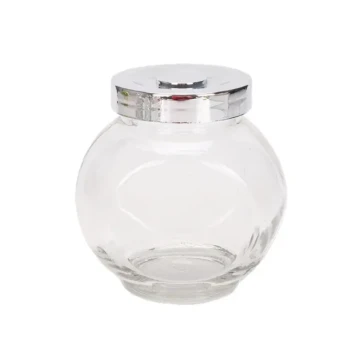
- Classic Drum Shaped Glass Honey Jar with Airtight Lid
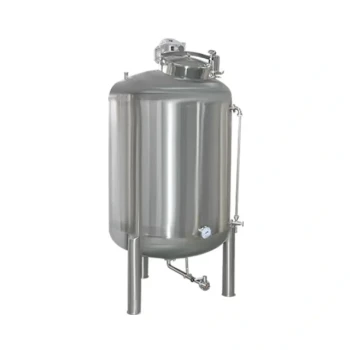
- Stainless Steel Honey Storage Tank with Lid for Honey
- Professional Honey Storage Tank with Agitation System
People Also Ask
- What are the benefits of glass jars regarding strength and safety for storing honey? Ensure Purity and Long-Term Quality
- What are the advantages of using glass jars for honey storage? Ensure Purity and Premium Appeal for Your Product
- What is the aesthetic appeal of using glass jars for honey? Elevate Your Brand with Premium Packaging
- What are the advantages of glass containers for honey? Elevate Quality and Market Value with Premium Packaging
- What are the benefits of using high-transparency Glass Jars for honey? Elevate Purity and Premium Branding