The primary purpose of colony equalization is to eliminate external variables before applying treatment protocols in an experimental setting. By strictly standardizing food reserves, environmental conditions, and colony strength, this process creates a consistent baseline across all test groups. This ensures that any subsequent changes in bee behavior can be attributed solely to the treatment itself, rather than pre-existing differences between hives.
By creating a uniform starting point for all colonies, equalization isolates the treatment as the single variable in an experiment. This ensures that data regarding safety and efficacy reflects the actual impact of the protocol, not random fluctuations in colony health or resources.
The Mechanics of Equalization
Standardizing Colony Inputs
To achieve valid results, every colony in the study must start on equal footing. This requires the manual standardization of food reserves and environmental conditions.
By balancing these inputs, you prevent scenarios where a colony outperforms another simply because it had better nutrition or a more favorable location.
Balancing Colony Strength
Beyond resources, the biological strength of the colony must be uniform.
Equalization involves adjusting the populations so that colony strength is comparable across all groups. This prevents a naturally vigorous hive from skewing the data or masking the effects of the treatment.
Ensuring Data Integrity
Isolating the Treatment Variable
The ultimate goal of equalization is to draw a clear line of causality.
When variables are eliminated, any observed changes—specifically in hygienic behavior—can be directly attributed to the dosage or frequency of the applied treatment.
Assessing Safety Accurately
This process is essential for evaluating the safety of beekeeping interventions.
Whether testing beekeeping hardware or consumable application processes (such as powdered sugar dusting), equalization provides the reliable baseline necessary to determine if a method is safe for the bees.
Understanding the Stakes
The Consequence of Skipping Equalization
If this pre-treatment step is ignored, the validity of the entire experiment is compromised.
Without a standardized baseline, it becomes impossible to distinguish between the effects of the treatment and the natural variability of the hives. A strong hive might appear to tolerate a harsh treatment simply because it started with more resources, leading to false safety conclusions.
Making the Right Choice for Your Goal
To ensure your treatment protocols yield useful data, you must prioritize the preparation phase.
- If your primary focus is experimental validity: Strictly standardize food, environment, and population numbers to eliminate all confounding variables.
- If your primary focus is safety assessment: Use equalization to ensure that any negative impact on hygienic behavior is solely a result of the hardware or consumable being tested.
Equalization transforms a variable biological environment into a controlled setting, providing the clarity needed to make data-driven decisions.
Summary Table:
| Aspect of Equalization | Target Parameter | Impact on Data Integrity |
|---|---|---|
| Food Reserves | Standardized nectar/pollen | Eliminates nutritional variables |
| Environment | Uniform hive location/conditions | Controls for external stressors |
| Colony Strength | Balanced bee populations | Ensures a consistent biological baseline |
| Variable Isolation | Dosage and frequency | Attributes results solely to the treatment |
Maximize Your Colony Health with HONESTBEE Professional Solutions
At HONESTBEE, we understand that precision in colony management is the backbone of a successful commercial apiary or distribution business. Whether you are conducting field trials or scaling up your operations, our comprehensive wholesale offering is designed to support your growth and efficiency.
How we add value to your business:
- Advanced Hardware: From precision hive-making to honey-filling machines that streamline your production.
- Essential Tools: A full spectrum of high-quality beekeeping equipment and tools for professional use.
- Industry Consumables: A wide array of essential supplies and honey-themed merchandise to expand your market reach.
Ready to elevate your beekeeping standards with reliable, industrial-grade equipment? Contact HONESTBEE today to discuss our wholesale solutions and how we can support your commercial success.
References
- Jevrosima Stevanović, Zoran Kulišić. Safety assessment of sugar dusting treatments by analysis of hygienic behavior in honey bee colonies. DOI: 10.2298/abs1104199s
This article is also based on technical information from HonestBee Knowledge Base .
Related Products
- Heavy-Duty Ergonomic Grip Galvanized Pollen Shovel
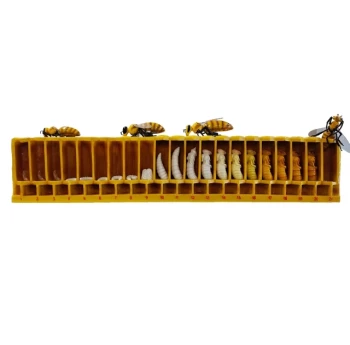
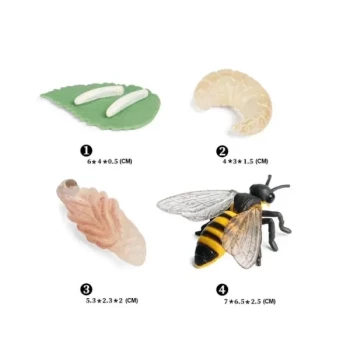
- Honey Bee Lifecycle Model: A Detailed Honeycomb Display of Bee Development
- Solar Beeswax Melter Easy Solar Wax Melter for Beeswax
- HONESTBEE AC Powered Wire Embedder with Alligator Clips
- Professional Dual Action Queen Excluder Scraper for Beekeeping
People Also Ask
- For what reasons do beekeepers collect bee pollen? Boost Hive Health and Unlock New Revenue Streams
- Why should commercial apiaries focus on the collection of diversified bee products? Maximize Your Hive’s Profit Potential
- How do bee pollen collection tools affect the quality of bee pollen used in functional dairy ice cream production?
- How does a specialized pollen collector facilitate the harvesting of diverse bee products? Automate High-Value Yields
- What is the impact of pollen collectors and associated equipment on the cost structure of pollen production? Maximize ROI