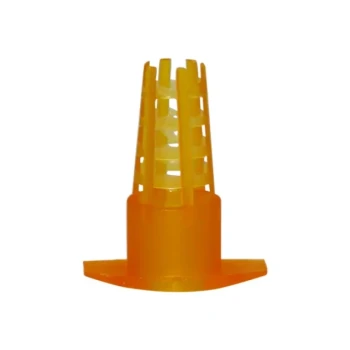
Specialized grafting frames and queen cell cups serve as the foundational infrastructure for artificial queen rearing. These components function by simulating the natural physical environment of a queen cell, allowing beekeepers to trick the colony into rearing new queens on demand. They provide the mechanism to convert a standard worker larvae selection into a large-scale, controlled production of genetically superior queens.
By mimicking the architecture of natural queen cells, these tools induce nurse bees to prioritize specific larvae for royal jelly consumption. This enables the mass propagation of stable genetic traits that would otherwise occur only randomly or slowly in nature.
Simulating Nature to Trigger Instinct
The primary biological function of these tools is to leverage the innate behaviors of the honeybee colony.
Mimicking Natural Architecture
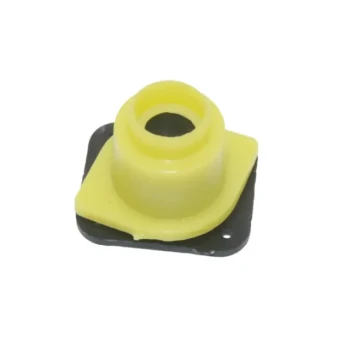
Artificial queen cell cups, whether made of wax or plastic, are designed to replicate the exact shape and dimensions of a natural queen cell base.
This simulation mimics the structures bees build during swarming or supersedure (replacing a failing queen).
Inducing Royal Jelly Secretion
When a worker larva is placed into this artificial environment, the physical structure acts as a signal to nurse bees.
It induces them to accept the larva and secrete copious amounts of royal jelly, a crucial step for queen differentiation.
This focused nutrition ensures the resulting queens possess higher physiological quality, including heavier body weight and superior egg-laying capacity compared to naturally raised emergency queens.
Achieving Scale and Precision
Beyond biology, these tools solve the logistical challenge of managing distinct genetic lines efficiently.
Modular Production via Grafting Frames
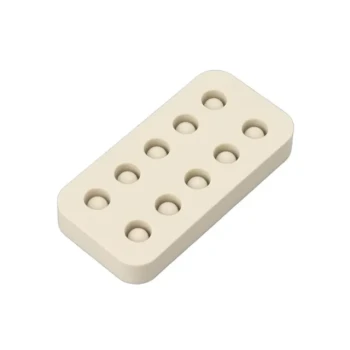
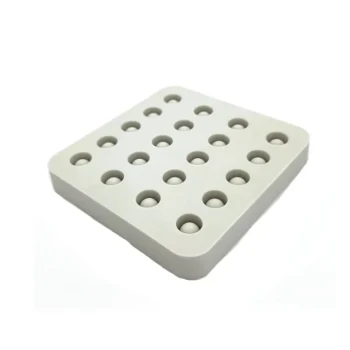
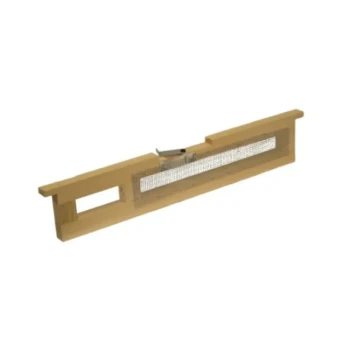
The grafting frame acts as a modular interface, holding dozens of cell cups in a fixed, organized array.
This transforms queen rearing from a chaotic, hive-dependent process into a standardized workflow.
Beekeepers can manage large numbers of developing queens within a single production cycle, making mass propagation of superior strains possible.
Genetic Control and Consistency
By using these tools in conjunction with precision grafting needles, technicians can select larvae from specific "breeder" mothers.
This ensures that the new queens carry desired traits, such as disease resistance or honey production, rather than leaving genetics to chance.
The frame system creates a controlled environment where these traits can be stabilized across a whole apiary through systematic replacement.
Understanding the Trade-offs
While these tools are powerful, they introduce variables that must be managed to ensure success.
The Necessity of Precision
The tools alone do not guarantee quality; they rely heavily on the technician's skill during the transfer process.
Larvae must be transferred at a specific age (typically 12 to 24 hours old) without physical damage.
If the transfer is clumsy, the specialized frame will simply become a holder for rejected or non-viable larvae.
Material Acceptance
The success of artificial cups depends on the colony's willingness to accept the foreign material.
Methods like the Doolittle method suggest pre-applying royal jelly or using wax-coated cups to increase acceptance rates.
Plastic cups are durable and reusable, but they may require more preparation to "trick" the bees compared to pure wax cups.
Making the Right Choice for Your Goal
To maximize the utility of these tools, align your usage with your specific apiary objectives.
- If your primary focus is Genetic Consistency: Prioritize the precision of the larval transfer into the cups, ensuring only larvae from your best breeder mother are introduced to the grafting frame.
- If your primary focus is Mass Production: Utilize durable plastic cell cups and standardized grafting frames to create a repeatable, modular workflow that minimizes setup time between cycles.
Mastering these tools allows you to shift from reacting to your colony's whims to actively engineering the genetic future of your apiary.
Summary Table:
| Component | Primary Purpose | Key Benefit |
|---|---|---|
| Queen Cell Cup | Replicates natural queen cell architecture | Triggers nurse bees to secrete royal jelly for queen differentiation |
| Grafting Frame | Holds multiple cell cups in an organized array | Enables modular, large-scale production within a single hive cycle |
| Plastic Material | Provides durability and reusability | Offers a cost-effective, standardized workflow for commercial use |
| Wax Coating | Enhances colony acceptance | Mimics natural scents to reduce larval rejection rates |
Elevate your queen rearing operations with professional-grade equipment from HONESTBEE. As a dedicated partner to commercial apiaries and global distributors, we provide a complete spectrum of beekeeping tools—from precision grafting frames and cell cups to advanced honey-filling machinery and specialized hive-making equipment. Whether you are scaling genetic production or stocking essential industry consumables, our wholesale solutions are designed to optimize your efficiency and success. Contact us today to explore our full portfolio and request a quote.
References
- Ségolène Maucourt, Pierre Giovenazzo. Genetic Progress Achieved during 10 Years of Selective Breeding for Honeybee Traits of Interest to the Beekeeping Industry. DOI: 10.3390/agriculture11060535
This article is also based on technical information from HonestBee Knowledge Base .
Related Products
- Clear Black Plain Polystyrene Queen Bee Grafting Cell Cups No Lug for Bee Queen Cup
- Brown Nicot Queen Cell Cups for Breeding Queen Bees Beekeeping
- JZBZ Type Wide Base Plastic Queen Cell Cups for Base Mounting and Queen Rearing
- JZBZ Langstroth Queen Rearing Frame for Beekeeping
- JZBZ Push-In Queen Cell Cups for Beekeeping
People Also Ask
- What materials are used to make artificial queen cell cups for grafting? Beeswax vs. Plastic Guide
- What role do specialized queen rearing tools play in developing mite-resistant honeybee stock? Master Genetic Selection
- What roles do specialized queen cell cups play in royal jelly production? Optimize Your Hive's Secretion and Yield
- What types of cell cups are commonly used in grafting? Plastic vs. Wax for Queen Rearing Success
- Why is a diluted royal jelly solution applied to queen cell cups? Boost Acceptance in Artificial Grafting