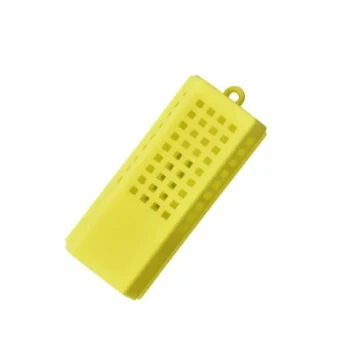
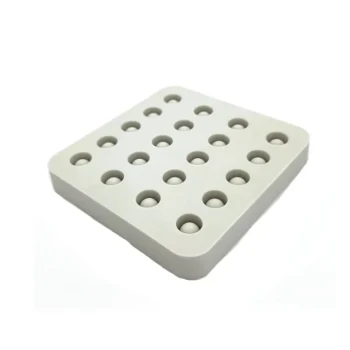
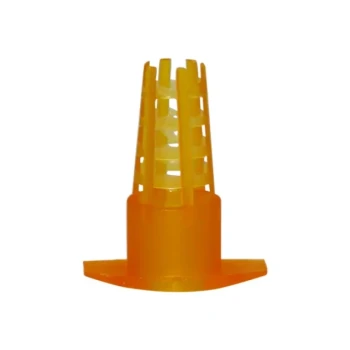
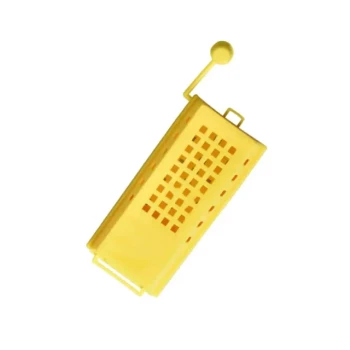
Plastic Queen Cells have become the industry standard for larval grafting because they combine biological accuracy with industrial durability. These biomimetic consumables replicate the exact dimensions of natural queen cells, featuring smooth internal walls that simplify the delicate manual transfer of larvae and ensure a stable physical environment during the critical feeding stage.
The shift to plastic queen cells allows beekeepers to move from variable, labor-intensive natural methods to a standardized, scalable process that significantly improves the efficiency of batch operations and larval survival rates.
The Mechanics of Standardization
Replicating Nature with Precision
Plastic queen cells are designed as biomimetic tools. They simulate the natural shape and depth of a wax queen cup, triggering the worker bees' instinct to accept and feed the grafted larva.
Ensuring Physical Consistency
Unlike natural wax cups, which can vary in thickness and shape, plastic cells offer standardized dimensions. This uniformity ensures that every larva is reared in an identical physical environment, removing structural variables that could impact development.
Facilitating the Grafting Process
The smooth internal walls of these cells are a critical feature for the beekeeper. This surface reduces friction during the manual transfer of larvae, minimizing the risk of injury to the fragile larvae during grafting.
Operational Efficiency and Workflow
Streamlining Batch Operations
For operations rearing multiple queens simultaneously, speed and consistency are vital. Plastic cells are designed for ease of mounting onto grafting frames, allowing beekeepers to set up large batches quickly without the delicate fabrication required for wax cups.
Durability and Asset Management
Plastic cells are highly durable and reusable. They withstand the rigors of the hive and the extraction process, making them a long-term asset rather than a single-use consumable.
Simplified Handling and Identification
These cups are designed to be easily identifiable within the hive. This visual contrast simplifies the process of locating, handling, and transferring the developing queen cells, reducing the likelihood of accidental damage during hive inspections.
Understanding the Trade-offs
The Maintenance Requirement
While durability is a benefit, it introduces the need for strict hygiene protocols. Because the cells are reusable, they must be meticulously cleaned and sterilized between batches to prevent the transmission of pathogens, a step not required with disposable wax cups.
Initial Acceptance Variables
Although biomimetic, plastic is still a foreign material. While generally successful, the acceptance rate can sometimes depend on how well the cups are primed (coated with a thin layer of wax or royal jelly) compared to natural wax cups which bees recognize immediately.
Making the Right Choice for Your Goal
Whether you are a commercial breeder or an educational hobbyist, the utility of plastic cells depends on your specific objectives.
- If your primary focus is Scalability and Efficiency: Leverage plastic cells for their batch processing capabilities and durability, which allow you to produce high volumes of queens with minimal setup time.
- If your primary focus is Education and Learning: Use plastic cells for their standardized visibility and ease of handling, which helps beginners understand the grafting mechanics without the added variable of building wax cups.
Ultimately, using plastic queen cells transforms queen rearing from a variable art into a controlled, repeatable science.
Summary Table:
| Feature | Benefit | Operational Impact |
|---|---|---|
| Biomimetic Design | Replicates natural wax cup dimensions | Higher larval acceptance rates by worker bees |
| Standardization | Uniform size and shape | Consistent development environment for all queens |
| Smooth Walls | Reduced friction during grafting | Lower risk of larval injury during manual transfer |
| Durability | High-grade reusable plastic | Long-term asset that withstands hive rigors |
| Ease of Mounting | Quick attachment to grafting frames | Faster setup for high-volume batch operations |
Elevate Your Apiary's Productivity with HONESTBEE
Transition from variable queen rearing to a repeatable, high-yield science. HONESTBEE specializes in supporting commercial apiaries and distributors with a comprehensive range of professional beekeeping tools and machinery. Whether you need precision larval grafting consumables, hive-making equipment, or honey-filling machines, our wholesale offerings are designed to scale your operations efficiently.
Partner with HONESTBEE to secure high-quality equipment for your business.
Contact Us Today to Discuss Wholesale Solutions
References
- Buajiram Ahmat, Cheng Zong. Increased Mass-Rearing of Queens in High Royal-Jelly-Producing Honey Bee Colonies (Apis mellifera ligustica) Generates Smaller Queens with Comparable Fecundity. DOI: 10.3390/agriculture14020264
This article is also based on technical information from HonestBee Knowledge Base .
Related Products
- JZBZ Type Wide Base Plastic Queen Cell Cups for Base Mounting and Queen Rearing
- Clear Black Plain Polystyrene Queen Bee Grafting Cell Cups No Lug for Bee Queen Cup
- Durable Plastic Push In Queen Bee Cage
- Professional Plastic Queen Excluder for Modern Beekeeping
- High Performance Plastic Queen Excluder for Beekeeping and Apiary Management
People Also Ask
- What is the primary function of commercial plastic queen cell cups? Driving Efficiency in Mass Queen Rearing
- What are the primary advantages of using plastic queen cell cups? The Industrial Choice for High-Efficiency Apiaries
- What technical advantages do commercial plastic queen cell cups offer? Scale Your Queen Rearing for Maximum Efficiency
- What is the function of standardized plastic Queen Cell Cups? Boost Efficiency in Commercial Larval Grafting
- Why are standardized plastic queen cell cups preferred? Boost Commercial Queen Rearing Efficiency