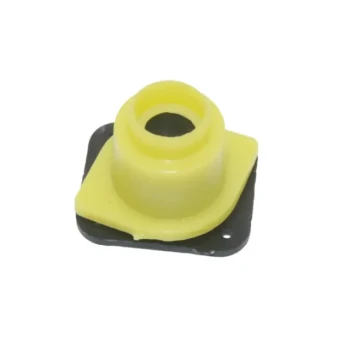
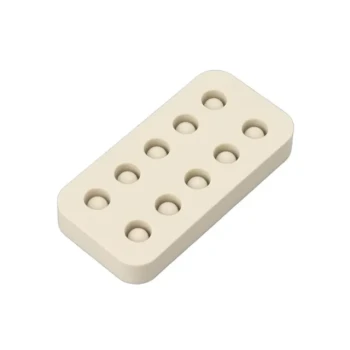
Placing grafting frames in the colony 24 hours prior to use is a vital preparation step technically referred to as acceptance pre-treatment. This specific duration provides worker bees sufficient time to coat the interior of the queen cups with a thin layer of natural beeswax and impart the colony’s unique pheromone signature.
By transforming a foreign object into a familiar part of the hive structure, this process significantly reduces rejection rates. The result is a higher yield of accepted larvae and maximized royal jelly production.
The Mechanics of Acceptance Pre-Treatment
Eliminating the "Foreign" Sensation
Bees are highly sensitive to foreign materials entering the hive.
Whether the cups are plastic or fresh wax, they initially lack the "biological signature" of the colony.
Without pre-treatment, the colony views these cups as debris or intruders, leading to the rejection of the grafted larvae inside.
The Role of Natural Beeswax Coating
During the 24-hour period, worker bees actively work on the introduced frames.
They deposit a micro-layer of their own natural beeswax onto the interior surface of the cups.
This physical modification masks the texture of artificial materials, making the cup feel like a natural extension of the comb.
Imparting Colony Pheromones
Visuals matter less to bees than chemical signals.
The 24-hour residence allows the specific scent (pheromones) of the colony to permeate the grafting materials.
This olfactory camouflage is essential; it tricks the nurse bees into recognizing the cups as their own, prompting them to feed and care for the larvae immediately.
The Impact on Production Goals
Maximizing Royal Jelly Yield
The primary goal of commercial grafting is often royal jelly production.
A higher acceptance rate of cups directly correlates to total yield.
When bees accept the pre-treated cups faster, they begin depositing royal jelly sooner and more aggressively.
Optimizing Queen Quality
For queen rearing, the physical structure of the cell dictates bee behavior.
Grafting frames simulate natural queen cells, but only if they smell and feel right.
Pre-treatment induces worker bees to concentrate their secretion of royal jelly on the target larvae, ensuring superior physiological development and egg-laying capacity in the resulting queens.
Understanding the Trade-offs
Time Investment vs. Acceptance Rates
While some protocols for plastic cups suggest a shorter duration (e.g., two hours) may suffice for basic cleaning, the 24-hour standard is superior for beeswax integration.
Cutting this time short risks incomplete coating.
If the cups retain the smell of plastic or human handling, the bees will clean out the larvae rather than feed them.
Material Considerations
The 24-hour period is particularly critical when the goal is a heavy wax coating.
However, beekeepers must ensure the frames are placed in a healthy, strong colony.
Pre-treating frames in a weak or diseased colony can transfer pathogens or result in poor coating, defeating the purpose of the step.
Making the Right Choice for Your Goal
To ensure your grafting efforts result in viable queens or high jelly yields, adhere to the following guidelines:
- If your primary focus is Royal Jelly Yield: Strictly observe the 24-hour pre-treatment to ensure the highest possible acceptance percentage and volume of jelly secretion.
- If your primary focus is Efficiency with Plastic Cups: You may experiment with shorter durations (2 hours) for cleaning, but recognize the increased risk of rejection compared to the 24-hour wax coating method.
Success in grafting relies not just on the transfer of larvae, but on the colony's willingness to embrace the new cells as their own.
Summary Table:
| Feature | Pre-Treated (24 Hours) | Untreated / Short Duration |
|---|---|---|
| Surface Texture | Coated with micro-layer of natural wax | Raw plastic or artificial wax feel |
| Chemical Profile | Saturated with colony pheromones | Foreign odors or human scent |
| Bee Behavior | Immediate feeding and care | Potential rejection or cleaning out |
| Larvae Acceptance | Maximum (High Yield) | Lower and inconsistent |
| Royal Jelly Volume | Optimal production starting early | Delayed or reduced secretion |
Maximize Your Colony Productivity with HONESTBEE
For commercial apiaries and distributors, precision in queen rearing and royal jelly production is the difference between profit and loss. HONESTBEE understands this delicate balance. We provide a comprehensive range of professional-grade beekeeping tools, from high-precision grafting frames and queen cups to specialized honey-filling machines and hive-making equipment.
Whether you are scaling your operations or supplying the industry, our wholesale solutions and essential consumables are designed to meet the highest standards of modern apiculture. Contact us today to discover how our expertise and hardware can streamline your production and enhance your apiary’s value.
References
- Maria Josiane Sereia, Priscila Wielewski. Alternative sources of supplements in Africanized honeybees submitted to royal jelly production. DOI: 10.4025/actascianimsci.v35i2.16976
This article is also based on technical information from HonestBee Knowledge Base .
Related Products
- Clear Black Plain Polystyrene Queen Bee Grafting Cell Cups No Lug for Bee Queen Cup
- JZBZ Langstroth Queen Rearing Frame for Beekeeping
- Professional Wooden Requeening Frame for Beekeeping
- Stainless Steel Queen Grafting Tool for Beekeeping and Bee Queen Grafting
- JZBZ Type Wide Base Plastic Queen Cell Cups for Base Mounting and Queen Rearing
People Also Ask
- What materials are used to make artificial queen cell cups for grafting? Beeswax vs. Plastic Guide
- What role do specialized queen rearing tools play in developing mite-resistant honeybee stock? Master Genetic Selection
- What roles do specialized queen cell cups play in royal jelly production? Optimize Your Hive's Secretion and Yield
- What types of cell cups are commonly used in grafting? Plastic vs. Wax for Queen Rearing Success
- Why is a diluted royal jelly solution applied to queen cell cups? Boost Acceptance in Artificial Grafting