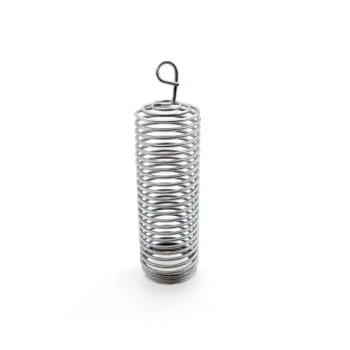
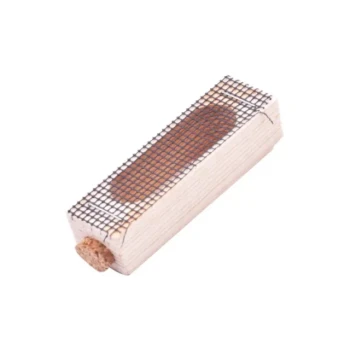
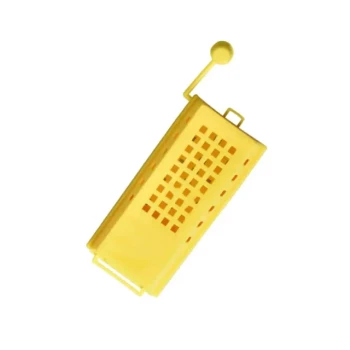
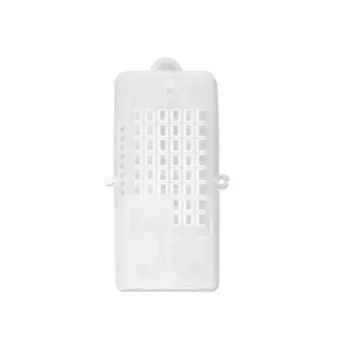
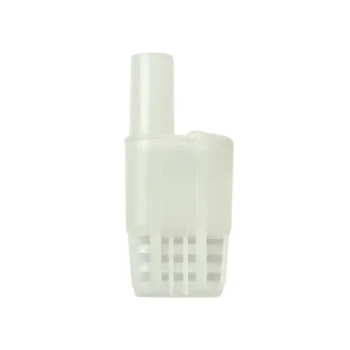
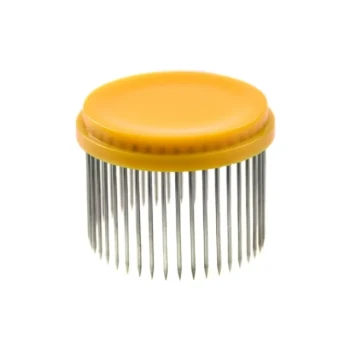
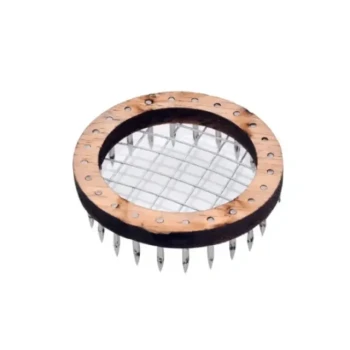
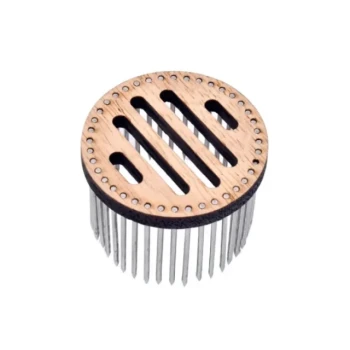
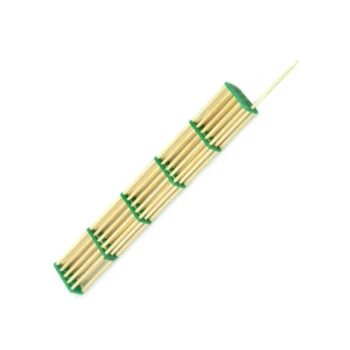
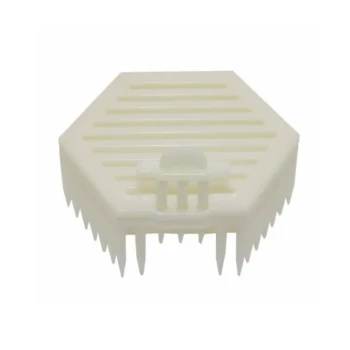
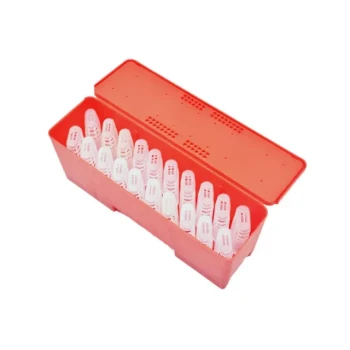
The queen cage acts as a critical biological buffer designed to manage the aggression of worker bees toward an unrelated queen. Its primary function is to enforce a mandatory acclimation period, preventing the colony from killing the new queen while allowing them to gradually habituate to her pheromones during transit.
The cage serves as a temporary "airlock" for colony integration. It physically separates the queen to ensure her survival while biologically integrating her scent, turning potential aggressors into accepting subjects.
The Biological Necessity of Separation
Overcoming Genetic Hostility
In a package of bees, the worker bees and the queen are often unrelated. Because the queen is not their biological mother, the workers naturally perceive her as a foreign invader.
Without the physical barrier of the cage, the workers would likely attack and kill the queen immediately. The cage safeguards high-value genetic resources by preventing this initial rejection.
The Pheromone Acclimation Process
The mesh or screen design of the cage allows air to flow freely between the queen and the workers. This is essential for the gradual distribution of the queen's pheromones throughout the package.
During the days spent in transit, the workers are constantly exposed to her scent without being able to reach her physically. This duration is usually sufficient for the colony to accept her unique chemical signature as their own.
Physical Security and Life Support
Preventing Escape and Injury
Beyond aggression, the cage serves a simple containment purpose. A loose queen could easily fly away when the package is opened, or be crushed by the shifting mass of thousands of bees.
The cage ensures she remains in a known, secure location within the package structure. This prevents the need to restart the introduction process, which would be costly and time-consuming.
Life Support via Attendant Bees
Many specialized transport cages, particularly wooden ones, include a few "attendant" worker bees inside with the queen. These attendants perform vital tasks such as feeding her royal jelly, grooming her, and regulating her body temperature.
Even without attendants inside, the screen allows outside workers to feed the queen through the mesh. This interaction maintains her physiological health and reduces transport-related stress.
Understanding the Trade-offs
The Risk of Extended Confinement
While the cage is necessary for safety, it restricts the queen's movement and prevents her from laying eggs. Prolonged confinement can lead to stress or reduced vitality if the transit period is excessive.
Reliance on Worker Interaction
The cage relies on the workers' willingness to feed the queen through the screen. If the mesh is blocked or if the weather is too cold for workers to move to the cage, the queen risks starvation or exposure.
Making the Right Choice for Your Goal
To ensure a successful colony introduction, consider the following regarding the queen cage:
- If your primary focus is Colony Acceptance: Ensure the cage remains positioned where the maximum number of worker bees can access the screen to smell and feed the queen.
- If your primary focus is Queen Safety: Verify that the screen is intact and that the candy plug (if present) is not exposed to the bees until you are ready to begin the slow release process.
The queen cage is not merely a shipping container; it is a tool of diplomacy that bridges the gap between rejection and acceptance.
Summary Table:
| Feature | Primary Purpose | Key Benefit |
|---|---|---|
| Physical Mesh | Separates queen from workers | Prevents aggressive workers from killing a foreign queen |
| Pheromone Flow | Allows scent distribution | Facilitates colony-wide acclimation and acceptance |
| Attendant Access | Enables feeding/grooming | Maintains the queen’s physiological health during transit |
| Secure Containment | Prevents escape/injury | Keeps the queen safe during package handling and shipping |
Secure Your Apiary’s Success with HONESTBEE
Transitioning a queen safely is the cornerstone of a productive hive. At HONESTBEE, we understand the precision required by commercial apiaries and distributors. We provide a comprehensive range of professional beekeeping tools, from specialized queen cages and hive hardware to advanced honey-filling machinery.
Whether you are scaling your operation or supplying the industry, our wholesale solutions are designed for durability and performance. Contact us today to discover how HONESTBEE can streamline your beekeeping logistics and enhance your honey production efficiency.
Related Products
- Durable Galvanized Steel Spring Queen Bee Cage
- Classic Wooden and Mesh California Queen Cage
- Professional Queen Bee Introduction and Transport Cage
- Professional Queen Cage with Sliding Gate and Feeder Plug
- Professional Multi-Compartment Queen Cage with Sliding Lid
People Also Ask
- Why are specialized queen bee cages used for the banking of mated queen bees? Maximize Commercial Apiary Storage Efficiency
- What is the mechanism of action for using temporary queen bee cages? Master Successful Queen Introduction
- What is the step-by-step process for installing a queen bee's cage onto a frame? Ensure Hive Acceptance Safely
- What is the optimal placement for a queen bee cage? Essential Strategies for Successful Re-queening
- What are the advantages and disadvantages of introducing a queen bee by embedding the cage? Boost Your Queen Acceptance