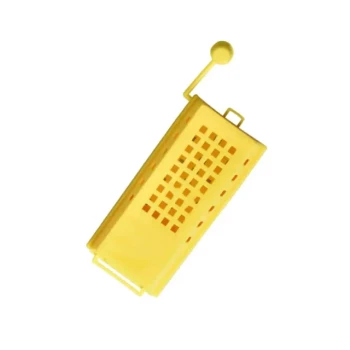
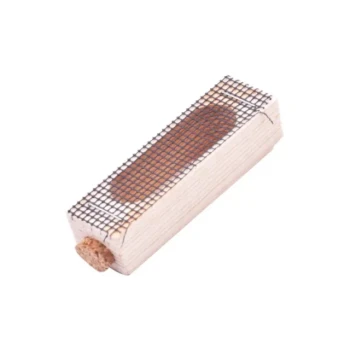
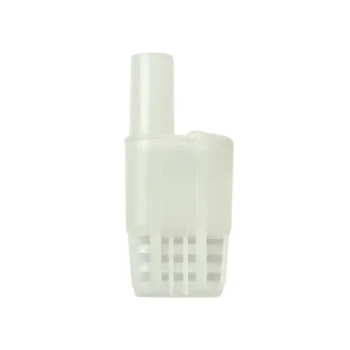
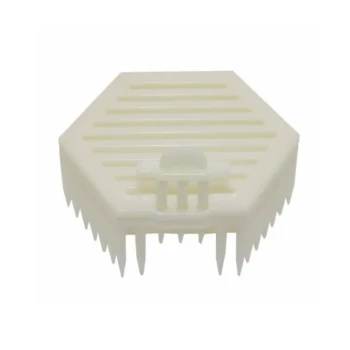
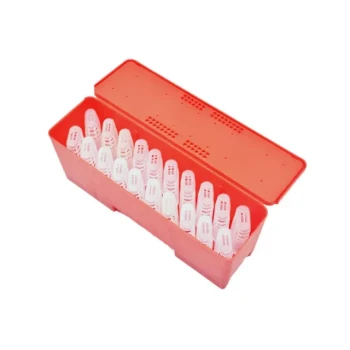
Using a queen cage is the single most critical step for ensuring a new queen survives her introduction to a colony. Its primary function is to act as a temporary safety chamber, preventing the new queen from flying off or being immediately attacked by the colony's existing workforce, who will initially view her as a hostile intruder. By physically separating the queen while allowing scent exchange, the cage prevents the colony from rejecting or killing her before she is accepted.
The Core Value A queen cage is not merely a container; it is a tool for indirect introduction. It buys the necessary time for the colony to adjust to the new queen's physiological signals without the risk of lethal aggression, ensuring the transition is gradual rather than sudden.
The Mechanics of Protection
The introduction of a stranger into a beehive triggers an immediate defensive response. The cage neutralizes this response through specific physical controls.
Prevention of Flight
The most immediate risk upon opening a shipping container is the queen flying away. The cage confines her effectively, preventing an escape that would force you to restart the entire process. Losing a queen wastes valuable time and resources, potentially compromising the colony's long-term health.
Physical Barrier Against Aggression
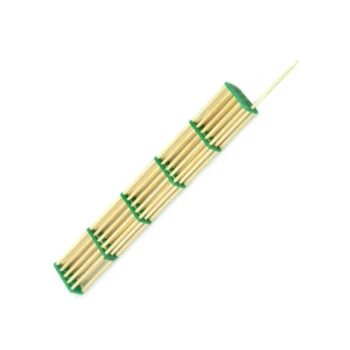
Existing worker bees often perceive a new queen as a threat rather than a leader. Without the cage, workers may "ball" the queen—surrounding and overheating her—or sting her to death. The cage bars or mesh allow workers to investigate and feed the queen, but physically prevent them from attacking her.
Safe Transition for Experimental Data
In specialized contexts, such as research or breeding, cages are used to isolate virgin queens. This allows for the collection of data, such as ovariole counts, or the scheduling of artificial insemination without the risk of worker interference.
Facilitating Biological Acceptance
Beyond physical safety, the cage facilitates the chemical and behavioral changes required for the colony to accept new leadership.
Acclimation to Physiological Signals
Bees rely heavily on scent and pheromones to identify colony members. The cage allows the new queen's scent to permeate the hive slowly while she remains safe. This "time-delay" ensures the colony recognizes her unique biological signals before she is fully released.
The Advantage of Laying Eggs
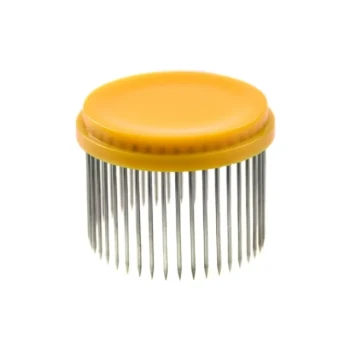
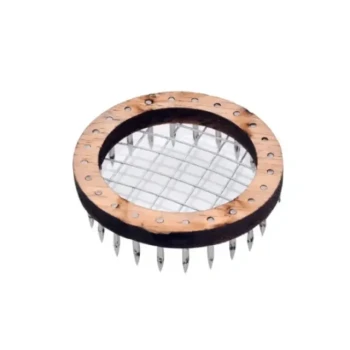
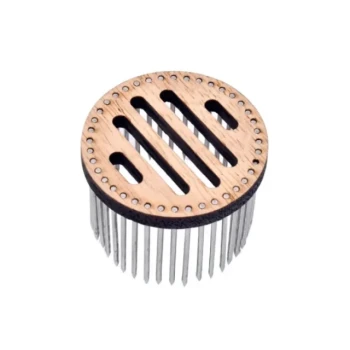
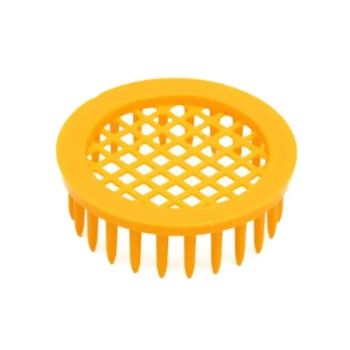
Certain cages, such as "push-in" or "press-in" cages, allow the queen to access a small section of comb. This enables her to begin laying eggs while still confined. A laying queen is viewed as more desirable by the colony, significantly increasing the probability of a successful introduction.
The Role of Queen Candy
Many cages utilize a plug of "queen candy" to automate the release process. Worker bees eat through this candy over several days to free the queen. This gradual removal creates an automatic timing mechanism, ensuring the queen is not released until the workers have spent days interacting with her calmly.
Common Pitfalls and Trade-offs
While queen cages are essential, improper use can still lead to failure. It is vital to understand the limitations and potential errors.
Premature Release
The most common mistake is introducing the queen or releasing her from the cage too quickly. If the colony has not had sufficient time to acclimate to her scent, they will kill her immediately upon release.
Improper Installation
When using press-in cages, placing the cage over comb with holes allows aggressive bees to enter prematurely. Additionally, failing to enclose honey within the cage can lead to the queen starving if nurse bees do not feed her through the screen.
Neglecting Environmental Factors
Simply placing the cage is not enough; the hive must be monitored. Lack of ventilation or failing to check on the colony's behavior after introduction can result in the queen's death inside the cage.
Making the Right Choice for Your Goal
To maximize your success rate, select the method that aligns with your specific hive conditions.
- If your primary focus is a standard replacement: Use a cage with a candy release plug to automate the timing and ensure the colony has several days to accept the queen's scent before physical contact.
- If your primary focus is accepting a high-value or home-raised queen: Use a push-in (press-in) cage over emerging brood to allow the queen to start laying eggs, as this makes her biological acceptance nearly guaranteed.
- If your primary focus is preventing escape: Ensure the cage is handled carefully and remains closed until it is securely positioned between frames or pressed into the comb.
The success of a new queen depends less on her quality and more on the patience and protection provided during those first few critical days.
Summary Table:
| Feature | Function & Purpose | Key Benefit |
|---|---|---|
| Physical Barrier | Prevents "balling" or stinging by worker bees | Ensures queen safety during initial contact |
| Scent Exchange | Allows pheromones to permeate the hive slowly | Facilitates biological acceptance by the colony |
| Candy Plug | Creates an automated, gradual release mechanism | Synchronizes release with worker bee readiness |
| Flight Prevention | Confines the queen during the installation process | Avoids loss of valuable queens and resources |
| Laying Access | (Push-in cages) Allows queen to lay eggs in comb | Increases desirability and adoption rates |
Maximize Your Colony Success with HONESTBEE
Successful beekeeping starts with the right equipment and expert strategies. HONESTBEE is dedicated to supporting commercial apiaries and distributors with a complete range of high-quality beekeeping solutions. Whether you are scaling up with our specialized hive-making and honey-filling machinery or stocking essential consumables and tools like premium queen cages, we provide the wholesale reliability your business needs.
Ready to elevate your apiary's efficiency? Our team is here to help you select the perfect hardware and merchandise to drive your growth. Contact us today to explore our full catalog and wholesale offers!
Related Products
- Durable Galvanized Steel Spring Queen Bee Cage
- Professional Queen Cage with Sliding Gate and Feeder Plug
- Classic Wooden and Mesh California Queen Cage
- Professional Queen Bee Introduction and Transport Cage
- Professional Multi-Functional Queen Bee Cage
People Also Ask
- Why are specialized queen bee cages used for the banking of mated queen bees? Maximize Commercial Apiary Storage Efficiency
- What is the mechanism of action for using temporary queen bee cages? Master Successful Queen Introduction
- What is the step-by-step process for installing a queen bee's cage onto a frame? Ensure Hive Acceptance Safely
- What is the optimal placement for a queen bee cage? Essential Strategies for Successful Re-queening
- What are the advantages and disadvantages of introducing a queen bee by embedding the cage? Boost Your Queen Acceptance