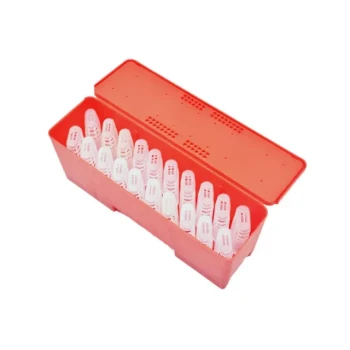
Immediate intervention is required to prevent the loss of the colony’s new leader. If you observe the existing colony damaging the cage or showing aggression toward the queen, you must carefully remove the damaged parts of the cage and re-introduce the queen, either into a separate, calmer area of the hive or by utilizing a more robust, secure cage design.
The Core Takeaway A queen cage is not just packaging; it is a critical biological buffer that allows the queen's pheromones to unify the colony safely. If this physical barrier is compromised before the colony accepts her scent, the worker bees will perceive her as a threat and likely kill her, necessitating a restart of the entire process.
Emergency Protocols for Cage Failure
Isolate and Assess
If you see the bees chewing through the mesh or "balling" the cage aggressively, remove the cage immediately. Your first priority is to separate the queen from the aggressive workers to prevent injury.
Re-Caging the Queen
Do not release a queen from a damaged cage directly into the hive. You must transfer her to a new, secure queen cage that acts as a temporary confinement. This resets the acclimation process and ensures she is protected while the colony adjusts to her presence.
Relocation Strategy
Consider re-introducing the queen in a separate area of the hive. Moving her to a section with younger nurse bees, who are generally less aggressive than older forager bees, can increase the likelihood of acceptance.
The Mechanics of Acceptance
The Role of Pheromones
The cage serves as a slow-release mechanism for the queen's pheromones. This chemical signal must spread through the hive and override the colony's existing scent identity before the queen is released.
The Threat Response
Without the protection of the cage, the existing colony views the new queen as a foreign invader. The cage prevents the queen from flying away in panic and protects her from the colony's defensive instincts until that "invader" status fades.
Understanding the Trade-offs: Handling Attendants
When transferring the queen to a new cage or repairing the current one, you must decide how to handle the "attendant" bees inside the cage.
The Argument for Removal
Some research suggests that attendant bees included in the shipping cage can interfere with acceptance. Removing them leaves only the queen, theoretically reducing conflict with the colony’s workers who want to care for her themselves.
The Risk of Handling
However, removing attendants is inherently risky. The process increases the chance of accidentally crushing the queen or allowing her to fly away and be lost forever. For most beekeepers, the risk of losing the queen outweighs the minor potential for conflict caused by attendants.
Safe Transfer Techniques
If you choose to remove attendants or must transfer the queen to a new cage, never do this in the open apiary. Work in a closed room with a single window; if the queen flies, she will head toward the light, allowing you to gently recapture her.
Making the Right Choice for Your Goal
If the queen is in danger, your reaction speed determines the colony's survival. Use the following guide to determine your next step:
- If your primary focus is Maximum Safety: Keep the attendant bees in the cage with the queen during transfer, as the risk of the queen flying away is far greater than the risk of rejection by the colony.
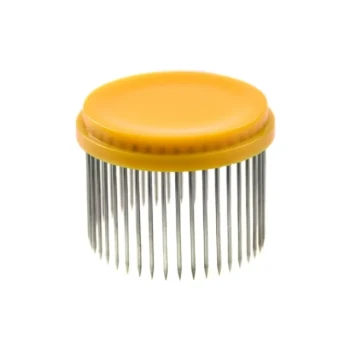
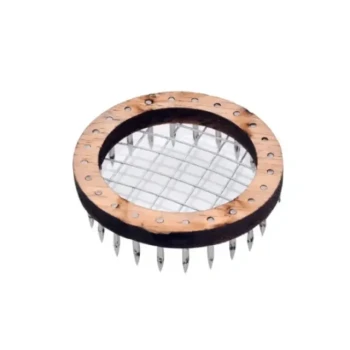
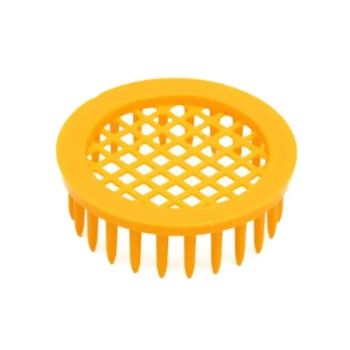
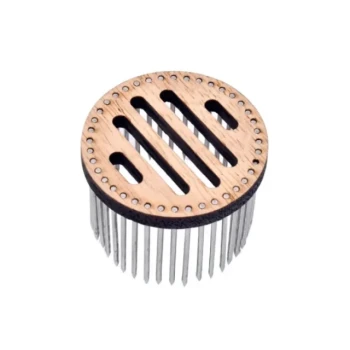
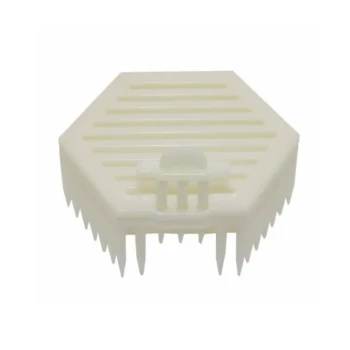
- If your primary focus is High-Friction Acceptance: If the colony is exceptionally aggressive, transfer the queen (without attendants) to a "push-in" style cage over emerging brood to allow her to lay eggs immediately, which rapidly calms the hive.
Protecting the queen is protecting the future of the hive; when in doubt, prioritize physical security over speed.
Summary Table:
| Emergency Action | Goal | Key Strategy |
|---|---|---|
| Isolate & Assess | Immediate Protection | Remove damaged cage to stop worker aggression instantly. |
| Re-Caging | Physical Security | Use a robust, secure cage to reset the pheromone acclimation. |
| Relocation | Reduce Friction | Place queen near young nurse bees who are less aggressive. |
| Transfer Safety | Prevent Loss | Perform all queen transfers in a closed room with one light source. |
Secure Your Apiary's Future with HONESTBEE
At HONESTBEE, we understand that every queen is a vital investment for your commercial apiary. Whether you are a large-scale distributor or a professional beekeeper, we provide the robust, high-quality beekeeping tools and queen-rearing equipment you need to ensure 100% colony acceptance.
From specialized queen cages and hive-making machinery to comprehensive wholesale consumables, we empower your business with the industry's most reliable hardware. Don't let equipment failure risk your productivity—partner with a supplier that values your success.
Contact HONESTBEE Today for Wholesale Solutions
Related Products
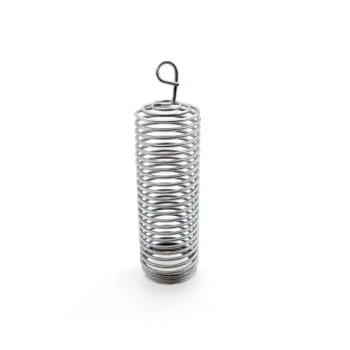
- Durable Galvanized Steel Spring Queen Bee Cage
- Classic Wooden and Mesh California Queen Cage
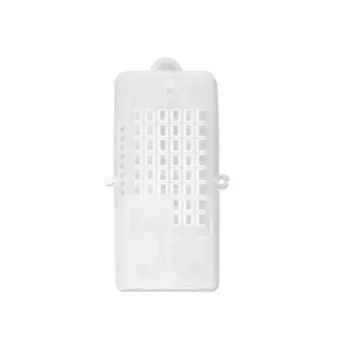
- Professional Queen Bee Introduction and Transport Cage
- Professional Queen Cage with Sliding Gate and Feeder Plug
- Professional Multi-Compartment Queen Cage with Sliding Lid
People Also Ask
- Why are specialized queen bee cages used for the banking of mated queen bees? Maximize Commercial Apiary Storage Efficiency
- What is the mechanism of action for using temporary queen bee cages? Master Successful Queen Introduction
- What is the step-by-step process for installing a queen bee's cage onto a frame? Ensure Hive Acceptance Safely
- What is the optimal placement for a queen bee cage? Essential Strategies for Successful Re-queening
- What are the advantages and disadvantages of introducing a queen bee by embedding the cage? Boost Your Queen Acceptance