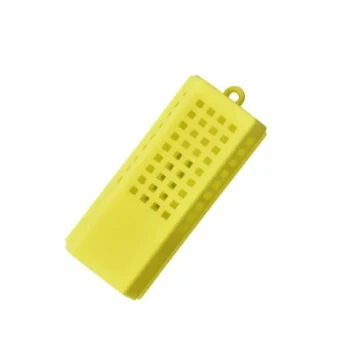
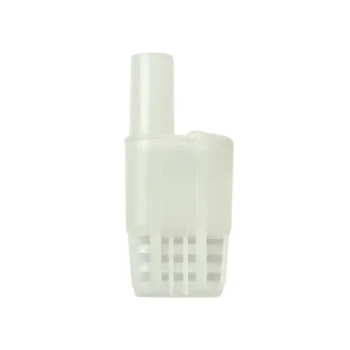
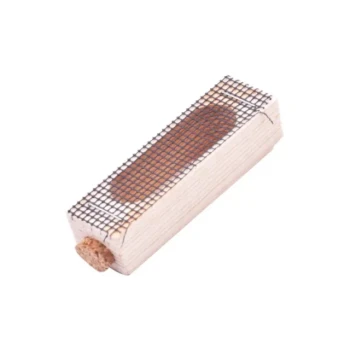
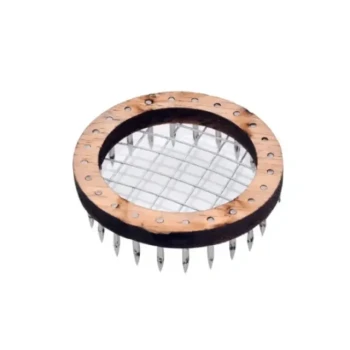
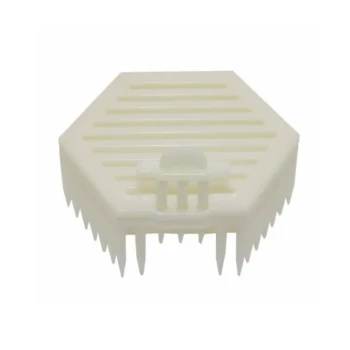
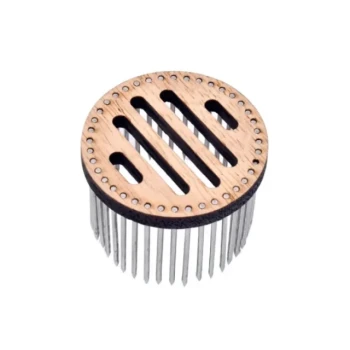
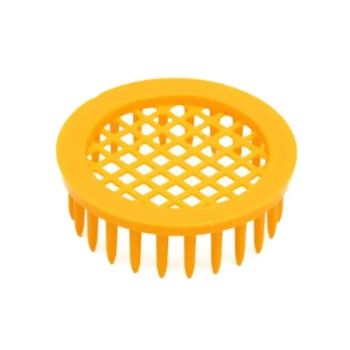
The primary purpose of using a queen cage with a supplemental feeding device is to safeguard the life of a queen bee immediately following artificial insemination. This setup serves a dual function: the cage physically isolates the queen to prevent rejection by worker bees, while the feeding device guarantees she receives essential nutrition independently of the colony.
Post-insemination management is a race against stress and rejection; the supplemental feeder acts as a nutritional safety net that stabilizes the queen until the colony accepts her.
The Mechanics of Post-Insemination Care
Ensuring Uninterrupted Nutrition
After insemination, a queen is often introduced into a nucleus colony where worker bees may not immediately recognize or care for her.
The supplemental feeding device, typically filled with sugar paste, ensures the queen has immediate access to food.
This prevents starvation during the critical window before the workers begin their trophic (feeding) duties.
Facilitating Safe Introduction
The physical structure of the cage temporarily confines the queen.
This allows the queen's pheromones to mingle with the colony's scent without exposing her to physical attacks.
It creates a controlled environment where acceptance can occur gradually rather than forcing immediate contact.
Mitigating Procedural Stress
Countering Physical Trauma
Artificial insemination is a stressful procedure for a queen bee.
The combination of confinement and easy access to food helps mitigate the physiological toll of this process.
By reducing energy expenditure and stress, the queen can focus metabolic resources on recovery.
Improving Long-Term Viability
Reducing initial stress is not just about immediate survival; it impacts the queen's future performance.
Proper management during this phase is directly linked to higher long-term survival rates.
A well-fed, less stressed queen is more likely to be accepted and become a productive layer.
Understanding the Trade-offs
Managing Confinement Duration
While the cage is essential for protection, it also prevents the queen from beginning her duties immediately.
Extended confinement can delay the onset of egg-laying.
The goal is to balance the need for safety with the need to release the queen once the workers show signs of acceptance.
Dependency on Device Maintenance
The supplemental feeder is only effective if properly maintained.
If the sugar paste dries out or runs out before acceptance, the safety net fails.
Monitor the device closely to ensure it continues to provide viable nutrition throughout the confinement period.
Optimizing Your Management Strategy
To ensure the best outcomes for your inseminated queens, tailor your approach based on your specific objectives:
- If your primary focus is Queen Survival: Prioritize the quality and quantity of the sugar paste in the feeder to prevent starvation during the initial rejection phase.
- If your primary focus is Colony Acceptance: Use the cage to extend the acclimation period, allowing ample time for pheromone integration before release.
The successful integration of an inseminated queen relies on patience and ensuring she has the resources to survive the transition.
Summary Table:
| Feature | Function in Post-Insemination | Impact on Queen Bee |
|---|---|---|
| Physical Cage | Isolates queen from hostile workers | Prevents physical injury and rejection |
| Feeding Device | Supplies sugar paste independently | Eliminates starvation risk during transition |
| Pheromone Slot | Controlled scent dispersion | Facilitates gradual colony acceptance |
| Stress Buffer | Reduces energy expenditure | Enhances long-term health and egg-laying |
Maximize Your Breeding Success with HONESTBEE
For commercial apiaries and distributors, the survival of high-value inseminated queens is critical to your bottom line. HONESTBEE provides the professional-grade equipment you need to ensure every queen thrives.
Our comprehensive wholesale catalog includes:
- Specialized Queen Management Tools: High-quality cages and feeding devices designed for post-insemination safety.
- Beekeeping Machinery: From hive-making to honey-filling machines to scale your operations.
- Full Spectrum Supplies: Essential consumables and hardware for the modern honey industry.
Whether you are upgrading your facility or stocking a distribution network, our expert team is ready to supply the precision tools your business demands.
Contact HONESTBEE Today for Wholesale Pricing and Expert Support
References
- Ahmet Güler, Abdurrahman Aydın. The effects of instrumental insemination on selected and unselected breeding characteristics in honeybee (Apis mellifera L.). DOI: 10.1007/s13592-022-00947-0
This article is also based on technical information from HonestBee Knowledge Base .
Related Products
- Professional Queen Cage with Sliding Gate and Feeder Plug
- Premium Nicot Style Queen Rearing Kit with Hair Roller Bee Cages
- Plastic Long Marker Device for Catching and Marking Bees Queen Bee Marking Tube and Cage
- Professional Multi-Functional Queen Bee Cage
- Professional Multi-Compartment Queen Cage with Sliding Lid
People Also Ask
- Why are specialized queen bee cages used for the banking of mated queen bees? Maximize Commercial Apiary Storage Efficiency
- What is the mechanism of action for using temporary queen bee cages? Master Successful Queen Introduction
- How is a queen bee released from a queen cage? Ensure Safe Colony Integration & Hive Success
- What is the step-by-step process for installing a queen bee's cage onto a frame? Ensure Hive Acceptance Safely
- What technical precaution must be taken regarding the mesh or grill side of a queen bee cage? Ensure Queen Survival