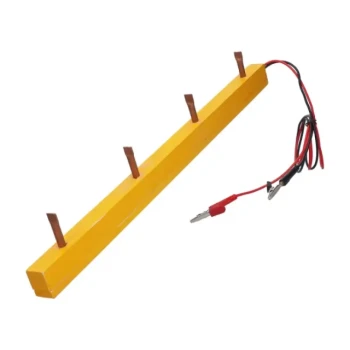
A wire grid with inch squares is a precision instrument designed to convert subjective visual estimates into objective, numerical data. By placing this grid over a honeycomb frame, you can quantitatively calculate the exact surface area of capped brood, stored honey, and pollen. This process transforms irregular patches of resources into standardized values, allowing for an accurate assessment of a colony's growth trajectory and health status.
The primary value of the square inch method is the elimination of guesswork. It provides the hard metrics necessary to scientifically track colony development and resource accumulation, rather than relying on rough visual approximations.
The Mechanics of Quantitative Assessment
Converting Irregularity to Data
Honeybees do not store resources or rear brood in perfect geometric shapes. Their patterns are often patchy and irregular.
The wire grid creates a standardized overlay on top of this biological chaos. This allows you to count specific units (square inches) rather than estimating percentages, resulting in a concrete dataset.
Targeting Key Biological Metrics
Using the grid allows for the specific measurement of three critical colony indicators:
- Capped Brood: This predicts the near-term population explosion of the colony.
- Stored Honey: This quantifies the colony's energy reserves and overwintering capability.
- Stored Pollen: This measures the protein availability necessary for rearing new brood.
Why Objective Measurement Matters
Eliminating Subjective Bias
Without a grid, a beekeeper might look at a frame and guess it is "mostly full" or "about half empty." These estimates vary wildly between different observers and even the same observer on different days.
The inch-square grid enforces repeatability. By counting squares, you ensure that the data remains consistent regardless of who is performing the inspection or when it occurs.
Tracking Health and Recovery
Objective data is essential when monitoring a colony's response to environmental changes or treatments.
If you are testing the efficacy of a nutritional supplement or a disease treatment, the grid allows you to measure precise changes in brood area or food stores. This reveals the actual impact of your intervention on colony vitality.
Understanding the Trade-offs
Precision vs. Efficiency
While the square inch method offers high accuracy, it is labor-intensive. Counting individual squares takes significantly more time than broader assessment methods, such as Frame Counting, where one simply counts the number of frames covered by bees.
Disruption Levels
Using a grid is non-destructive, meaning you do not need to sacrifice bees (as is required in some weighing or dissection methods). However, it does require keeping the hive open longer than a quick visual inspection, which can temporarily disrupt the colony's thermoregulation.
Making the Right Choice for Your Goal
To determine if the square inch method is the right tool for your current inspection, consider your specific objectives:
- If your primary focus is scientific accuracy: Use the wire grid to generate precise, indisputable data regarding brood rearing and resource accumulation.
- If your primary focus is measuring treatment efficacy: Use the grid to obtain a granular "before and after" snapshot of how the colony responded to supplements or medication.
The wire grid turns the art of observation into the science of measurement, providing the baseline truth needed for high-level colony management.
Summary Table:
| Metric Category | Measurement Purpose | Key Benefit |
|---|---|---|
| Capped Brood | Predicts population growth | Numerical growth trajectory |
| Stored Honey | Quantifies energy reserves | Overwintering assessment |
| Stored Pollen | Measures protein levels | Brood rearing capacity |
| Standardization | Eliminates visual bias | Repeatable, objective data |
Elevate Your Beekeeping Operations with HONESTBEE
To move from guesswork to precision, your apiary needs the right tools. HONESTBEE specializes in supporting commercial apiaries and distributors with high-quality, professional-grade equipment. From essential measurement tools like wire grids to heavy-duty hive-making and honey-filling machinery, we provide the full spectrum of hardware and consumables needed for large-scale success.
Why partner with us?
- Wholesale Excellence: Competitive bulk pricing on a comprehensive range of beekeeping supplies.
- Advanced Machinery: Streamline your production with our specialized honey-processing hardware.
- Complete Portfolio: Everything from cultural merchandise to essential industry consumables.
Contact HONESTBEE today to optimize your commercial apiary!
References
- Mohamed Ahmed Abdel Hameed Khaled. Pollen power and colony prosperity: A comprehensive analysis of pollen amino acid profiles and their impact on honeybee colony performance and queen quality across seasons. DOI: 10.4314/ejppri.v8i3.1
This article is also based on technical information from HonestBee Knowledge Base .
Related Products
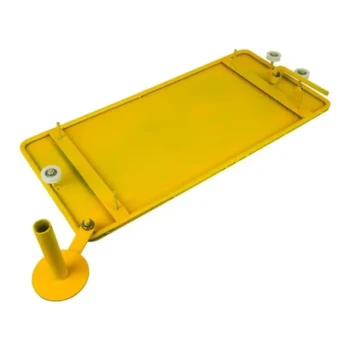
- HONESTBEE Durable Frame Wiring Board with Integrated Tensioner
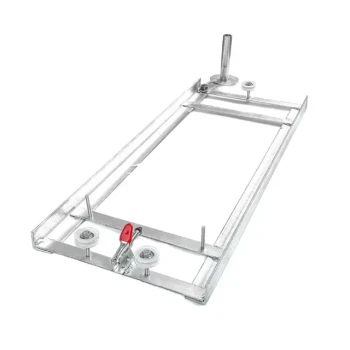
- HONESTBEE Professional Frame Wiring Board and Jig
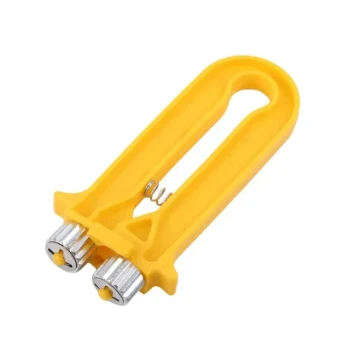
- HONESTBEE Ergonomic Spring Loaded Frame Wire Crimper
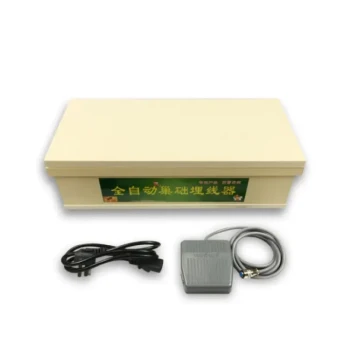
- Professional Adjustable Timer Electric Wire Embedder
- HONESTBEE Loop Handle Frame Wire Crimper
People Also Ask
- What tools and materials are required for wiring a beehive frame? Essential Equipment for Stronger Honeycomb
- How to wire a bee frame? A Step-by-Step Guide for Strong, Durable Honeycomb
- What is the final step in wiring a frame? Secure Lasting Tension for a Durable Hive
- What is minimalist bee frame wiring? Learn the Risks and Benefits for Beekeeping
- What factors determine the amount of wiring needed in beehive frames? Tailor Your Strategy for Your Climate