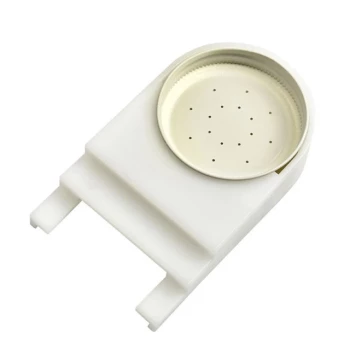
Bee feed and feeders serve as a critical nutritional safety net. Their primary purpose is to provide supplemental nutrition to a colony when natural resources are scarce or when a new hive is strictly focused on establishment. By delivering food directly within the hive environment, these tools ensure the bees remain healthy, productive, and defensively strong without relying solely on unpredictable environmental forage.
While bees are efficient natural foragers, they are vulnerable during seasonal fluctuations and early development stages. Feeders bridge this gap by delivering hygienic, accessible nutrition exactly when the colony’s survival depends on it.
The Strategic Role of Supplemental Nutrition
Supporting New Colonies
When establishing a new colony, the bees face a significant energy deficit. They must build wax comb and raise brood simultaneously.
Feeders provide the consistent caloric intake required for this rapid expansion. This allows the colony to focus energy on construction and reproduction rather than exhausting themselves searching for limited external food sources.
Bridging the Gap During Dearth
Natural forage is not always available. There are periods, known as dearth, when flowers cease blooming and nectar flows stop.
Without intervention, a strong colony can quickly starve or weaken. Feeders maintain the hive's health and productivity during these specific windows, preventing a population crash.
The Function of Specialized Feeder Design
Preventing "Robbing" Behavior
A major risk in beekeeping is robbing, where bees from other hives attack a weaker colony to steal resources.
Specialized feeders are designed to be placed inside the hive. By keeping the food source internal rather than open to the environment, you secure the resources for your specific colony and discourage aggressive behavior from neighboring bees.
Ensuring Hygiene and Efficiency
Traditional open feeding methods can lead to resource waste and internal contamination.
Modern feeders deliver syrup precisely, typically at the top of the hive. This design ensures nutritional substances are consumed hygienically. It minimizes spills that could degrade the hive's internal environment or attract pests.
Understanding Feeder Configurations and Trade-offs
Comparing Feeder Types
The two most common tools for this task are the frame feeder and the bucket (or gravity) feeder.
While both achieve the goal of nutrition delivery, the ideal choice varies from colony to colony. You must evaluate which method offers the best balance of capacity and accessibility for your specific hive setup.
The Risks of Improper Feeding
Not all feeding methods are equal. Specialized feeders are essential tools because they mitigate the risks associated with open feeding.
Using unspecialized equipment can lead to sloppy delivery. This results in wasted resources and can inadvertently weaken the colony's defensive capabilities by attracting predators or triggering a robbing frenzy.
Making the Right Choice for Your Goal
To select the right approach for your apiary, consider the immediate needs of your bees:
- If your primary focus is Establishing a New Colony: Prioritize feeders that offer easy access to large volumes of syrup to fuel rapid comb building.
- If your primary focus is Survival During Dearth: Utilize internal feeders that minimize scent and spillage to maintain colony defense and prevent robbing.
Effective feeding is not just about providing food; it is about delivering nutrition securely to ensure your colony thrives in any season.
Summary Table:
| Strategic Goal | Purpose of Feeding | Recommended Feeder Function |
|---|---|---|
| Colony Establishment | Fuels rapid comb building and brood rearing | High-capacity delivery for new hives |
| Dearth Management | Prevents starvation when nectar is scarce | Secure internal placement to stop robbing |
| Hive Hygiene | Minimizes spills and prevents contamination | Precision syrup delivery at the hive top |
| Defense & Security | Discourages external predators and pests | Scent-controlled, internal resource access |
Scale Your Apiary Operations with HONESTBEE
At HONESTBEE, we specialize in empowering commercial apiaries and beekeeping distributors with the professional-grade tools required for large-scale success. From precision-engineered bee feeders and specialized hive-making machinery to high-efficiency honey-filling systems, our comprehensive wholesale portfolio covers every industry need.
Whether you are supplying local hobbyists or managing thousands of colonies, our equipment ensures your bees stay nourished and your production stays profitable. Partner with us for reliable hardware, industrial machinery, and essential consumables designed for the modern beekeeping professional.
Ready to optimize your supply chain? Contact us today to explore our wholesale offerings!
Related Products
- Rapid Bee Feeder White Plastic 2L Round Top Feeder for 8 or 10-Frame Bee Hives
- HONESTBEE Entrance Bee Feeder Professional Hive Nutrition Solution for Beekeeping
- White Plastic 0.5L Beekeeping Entrance Feeder for Bees
- HONESTBEE Entrance Bee Feeder Efficient Hive Front Liquid Feeding Solution for Beekeeping
- HONESTBEE Professional Entrance Bee Feeder Hive Nutrition Solution
People Also Ask
- What should be done with feeders and equipment after feeding bees? Essential Steps for Apiary Health
- What should be done if feed in a feeder is not consumed by the bees? Prevent Hive Mold with Prompt Feed Management
- What is the necessity of specialized internal or entrance feeders? Secure Your Hive with Professional Feeding Tools
- How do bee feeders work to preserve colony health during nectar shortages? Essential Guide for Beekeepers
- How quickly does a medium to strong colony usually empty a feeder? A Beekeeper's Guide to Hive Health