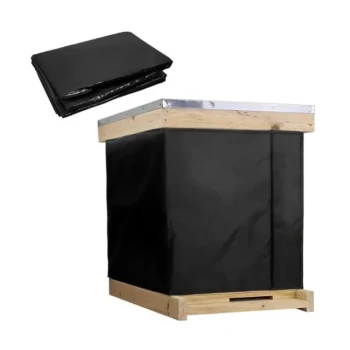
The primary purpose of using high-performance thermal insulation boxes and light-shielding measures during honey transport is to strictly maintain the product's chemical and biological stability. These measures are critical for preventing the rise of Hydroxymethylfurfural (HMF), preserving sensitive enzyme activity, and stopping the photodegradation of antioxidants.
Core Takeaway Honey is a biologically active substance that degrades rapidly under environmental stress. Implementing thermal and light protection ensures that the honey's nutritional profile and experimental data remain consistent from the hive to the laboratory or consumer.
The Critical Role of Temperature Control
Preventing HMF Accumulation
One of the primary risks during honey transport is the uncontrolled increase of Hydroxymethylfurfural (HMF). HMF is a breakdown product of fructose and is a key indicator of honey quality and freshness.
High-performance insulation boxes are designed to prevent temperature spikes that catalyze the chemical reaction creating HMF. By maintaining a stable, cool environment, you minimize the formation of this compound, ensuring the honey meets regulatory and quality standards.
Preserving Enzymatic Activity
Honey contains valuable enzymes, such as diastase and invertase, which are responsible for its unique nutritional and antimicrobial properties.
These enzymes are highly thermolabile, meaning they are easily destroyed or deactivated by heat. Insulation boxes buffer the honey against external ambient heat, ensuring these bioactive components survive the journey intact.
The Necessity of Light Shielding
Protecting Antioxidants
Honey is rich in antioxidants and other bioactive compounds that contribute to its health benefits.
Light-shielding measures are essential because many of these components are photosensitive. Exposure to sunlight or strong artificial light can cause these antioxidants to degrade rapidly, reducing the nutritional value of the product before it reaches its destination.
Ensuring Experimental Integrity
For scientific or quality control purposes, the sample analyzed in the lab must perfectly represent the sample taken from the hive.
Without light shielding, the chemical composition of the honey changes during transit. This introduces variables that can skew experimental results, making it impossible to determine the honey's true original state.
Understanding the Trade-offs
Logistics vs. Quality
While thermal insulation and light shielding are scientifically necessary for high-quality honey, they introduce logistical friction.
These measures increase the volume and weight of shipments, potentially raising transport costs. Additionally, the requirement for specialized packaging requires more stringent planning compared to standard ambient transport. However, foregoing these measures results in a product that—while still sweet—may be chemically degraded and enzymatically "dead."
Making the Right Choice for Your Goal
To determine the level of protection your honey transport requires, consider your end goal:
- If your primary focus is Scientific Analysis: You must use both high-performance insulation and strict light shielding to ensure your data accurately reflects the original enzyme levels and chemical composition.
- If your primary focus is Commercial Premium Sales: You should prioritize these measures to certify low HMF levels and high enzymatic activity, which justifies a higher price point.
Ultimately, protecting honey from heat and light is the only way to bridge the gap between the raw quality at the hive and the final product in the jar.
Summary Table:
| Protection Measure | Key Function | Impact on Honey Quality |
|---|---|---|
| Thermal Insulation | Temperature Regulation | Prevents HMF accumulation and preserves thermolabile enzymes. |
| Light Shielding | Photo-protection | Prevents degradation of antioxidants and maintains chemical stability. |
| Stability Control | Biological Integrity | Ensures experimental data accuracy and nutritional consistency. |
| Packaging Design | Environmental Buffer | Protects against ambient heat spikes and UV exposure during logistics. |
Secure Your Honey Quality with HONESTBEE
At HONESTBEE, we understand that maintaining the biological integrity of honey is paramount for commercial success and scientific accuracy. We cater specifically to commercial apiaries and distributors, providing a comprehensive wholesale range of professional beekeeping tools, specialized machinery, and essential consumables.
Whether you need hive-making equipment to start at the source, honey-filling machines for precise production, or industry-grade transport solutions, our portfolio is designed to add value to your entire supply chain. Protect your enzymatic activity and ensure low HMF levels with the right equipment.
Contact HONESTBEE Today for Specialized Wholesale Solutions
References
- Fernanda Dias Bartolomeu Abadio Finco, Igor Galvão Silva. Propriedades físicas e químicas do mel de Apis mellifera L. DOI: 10.1590/s0101-20612010000300022
This article is also based on technical information from HonestBee Knowledge Base .
Related Products
- Langstroth Honey Bee Box Hive Boxes for Different Depths
- Professional Insulated Winter Hive Wrap for Beekeeping
- Twin Queen Styrofoam Honey Bee Nucs Mating and Breeding Box
- Premium Stainless Steel Honey Tank Bucket Pail with Reinforced Handle and Polished Finish
- Plastic Transporting Bee Packages and Nuc Boxes for Beekeeping
People Also Ask
- What role do standardized Langstroth boxes play in commercial apiary management and honey bee research? | HONESTBEE Guide
- What are the differences between the three standard depths of Langstroth boxes? Choose the Best Size for Your Apiary
- What are the primary advantages of using standardized Langstroth boxes? Scale Your Commercial Beekeeping Operation
- What are the typical uses for the different box sizes in a Langstroth hive? Master Hive Management & Efficiency
- What features of Langstroth hive boxes contribute to expandability and honey yield? Maximize Your Apiary Production