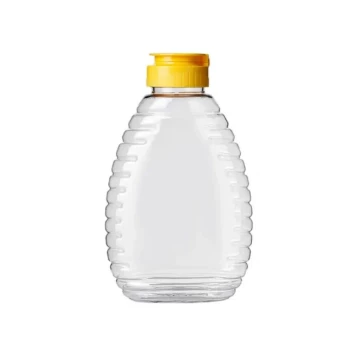
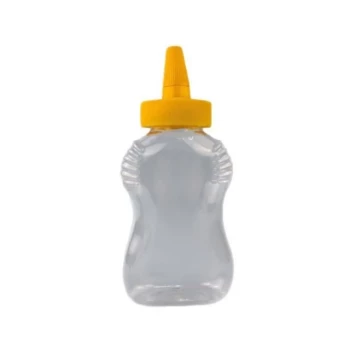
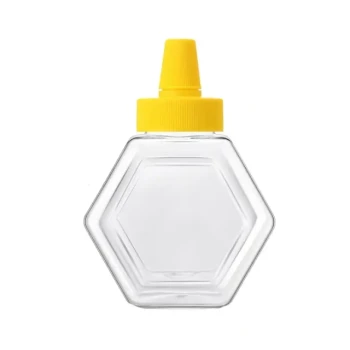
The primary purpose of using plastic bottles with tight-cap seals for honey storage is to establish a rigorous hermetic barrier that stabilizes the sample's moisture content and prevents environmental contamination. This method ensures that the honey's original physical and chemical properties remain unaltered at ambient temperatures, providing a pristine baseline for laboratory analysis.
Core Takeaway By strictly isolating the sample from atmospheric humidity and airborne particulate matter, this storage method guarantees that analytical results—specifically regarding trace elements and moisture levels—reflect the authentic composition of the honey rather than artifacts of improper storage.
Preserving Physical and Chemical Integrity
Controlling Moisture Dynamics
Honey is a highly hygroscopic substance, meaning it naturally attracts and holds water molecules from the surrounding environment. Without a tight seal, honey will absorb atmospheric moisture, leading to a rise in water content that triggers fermentation and spoilage. Conversely, in dry environments, a poor seal can cause moisture loss, artificially altering the concentration of the sample.
Ensuring Chemical Stability
The plastic material itself, typically polyethylene, offers chemical inertness that is critical for maintaining sample purity. Honey contains weak acids and phenolic components that can react with reactive packaging materials. High-quality plastic containers prevent chemical migration between the container and the honey, ensuring the sample remains chemically representative of its origin.
Inhibiting Microbial Activity
Long-term storage poses a risk of biological degradation, particularly from osmophilic yeasts that thrive in moisture-rich environments. By combining a moisture-proof seal with sterilized plastic containers, researchers inhibit microbial growth. This prevents fermentation for extended periods (often 18 to 22 months), preserving the honey's original biochemical profile.
Optimizing for Analytical Accuracy
Protecting Trace Element Analysis
For researchers conducting trace mineral analysis, the exclusion of external impurities is non-negotiable. A tight-cap seal blocks minute dust particles and airborne contaminants that often contain their own mineral profiles. Preventing this ingress ensures that the element content detected in the lab is intrinsic to the honey, not the storage environment.
Stabilizing Sensory Profiles
Oxidation and the loss of volatile compounds can drastically change how honey tastes and smells over time. High-sealing screw-cap plastics effectively suppress oxidation reactions and enzymatic browning. This preservation allows for accurate sensory analysis and origin traceability long after the sample was collected in the field.
Understanding the Trade-offs
Light Sensitivity Limitations
While plastic bottles are excellent for moisture control, standard clear plastic offers little protection against photodegradation. Light-sensitive bioactive substances, such as antioxidant phenolic compounds, can degrade if exposed to ultraviolet rays or strong light. If utilizing clear plastic, samples must be stored in a dark environment to maintain bioactivity.
Material Selection is Critical
Not all plastics are suitable for analytical storage; researchers must use sterilized, food-grade polyethylene. Lower-grade plastics may not provide the necessary chemical inertness or moisture barrier, potentially leading to leaching or sample interaction that could skew sensitive chemical data.
Making the Right Choice for Your Goal
To ensure your storage method aligns with your analytical objectives, consider the following:
- If your primary focus is Trace Mineral Analysis: Prioritize the tightness of the seal to prevent dust ingress, as even microscopic particles can skew mineral data.
- If your primary focus is Bioactive Stability: Ensure the plastic containers are stored in the dark or opaque environments to prevent UV degradation of phenolic compounds.
- If your primary focus is Long-Term Preservation: relying on sterilized polyethylene is essential to prevent yeast activity and fermentation over months of storage.
The integrity of your data is defined by the quality of your barrier against the environment.
Summary Table:
| Storage Factor | Benefit of Tight-Cap Plastic Bottles | Impact on Analytical Results |
|---|---|---|
| Moisture Control | Prevents hygroscopic absorption & fermentation | Stabilizes water content for accurate concentration data |
| Contamination | Blocks dust and airborne particulate matter | Ensures integrity of trace mineral and elemental analysis |
| Chemical Inertness | High-quality polyethylene prevents leaching | Maintains authentic biochemical profile without reactions |
| Biological Stability | Inhibits growth of osmophilic yeasts | Prevents spoilage and fermentation during long-term storage |
| Volatile Preservation | Suppresses oxidation and enzymatic browning | Maintains original sensory profiles and origin traceability |
Elevate Your Honey Quality with Professional Solutions
At HONESTBEE, we understand that maintaining the integrity of your honey—from the hive to the lab—is critical for your business success. As a dedicated partner to commercial apiaries and global distributors, we provide more than just supplies; we provide precision.
Our comprehensive wholesale portfolio includes:
- High-Performance Machinery: From precision honey-filling machines to industrial hive-making equipment.
- Professional Tools: A full spectrum of beekeeping hardware and essential consumables designed for durability.
- Global Distribution: Reliable supply chains for all your commercial beekeeping needs.
Ready to optimize your production and ensure the highest standards for your honey products? Contact HONESTBEE today to explore how our specialized equipment and expertise can drive your growth.
References
- Dekamo Fiseha Lomiso, Gezahegn Nigussie. Determination of Some Essential Minerals in Honey Samples Collected from Chena District, Ethiopia. DOI: 10.7176/cmr/11-7-01
This article is also based on technical information from HonestBee Knowledge Base .
Related Products
- Squeezable No-Drip Beehive-Shaped Honey Jars with Flip-Top Cap
- Classic Drum Shaped Glass Honey Jar with Airtight Lid
- Food Grade Plastic Honey Bucket Pail for Beekeeping
- Ergonomic Squeezable Honey Bottle with Precision Twist Nozzle Cap
- Classic Beehive Honey Bottle Jar with Squeeze Dispenser Lid
People Also Ask
- What food safety standards must honey containers meet? Expert Guide to Packaging Integrity & Hygiene
- Why is it important to distinguish between weight and volume when selecting honey containers? Maximize Profits Now
- What are the benefits of purchasing honey containers in bulk? Maximize Margins & Secure Your Supply Chain
- What types of containers are ideal for storing liquid honey? Preserve Quality with Glass or Plastic
- How many jars of honey can you get from a hive? Maximize Your Yield with Strong Hive Management