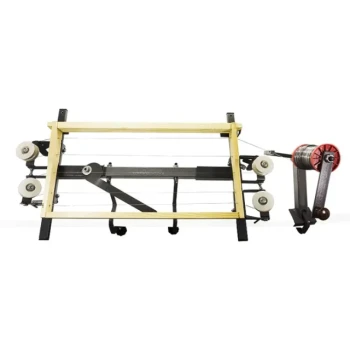
The primary purpose of using weighing equipment in beekeeping research is to establish a scientifically precise baseline across all test colonies. By measuring the exact mass of adult bees, honey, and pollen, researchers ensure that every colony begins the evaluation on identical footing.
Core Takeaway The use of weighing equipment transforms colony strength from a variable into a constant. This standardization ensures that any subsequent differences in performance—specifically queen egg-laying—can be attributed solely to the experimental design (such as the hive structure) rather than pre-existing advantages in population or resources.
The Science of Variable Isolation
Establishing a Null Baseline
In scientific evaluations, particularly those involving living systems like honey bee colonies, natural variation is high.
To conduct a valid experiment, researchers must eliminate "initial colony strength" as a variable. Weighing equipment allows for the precise distribution of biomass, creating a "null baseline" where no colony starts with an unfair advantage.
Ensuring Accurate Attribution
The ultimate goal of this balancing act is accurate data interpretation.
If colonies start with different amounts of food or workers, it becomes impossible to tell if a successful outcome is due to the hive design or simply a stronger starting population. Weighing ensures that observed results are directly attributable to the specific factor being tested.
What is Measured and Balanced
Adult Bee Populations
Researchers weigh the mass of adult bees to equalize the workforce.
By standardizing the population, researchers ensure that the colony's ability to forage, nurse brood, and maintain hive temperature is consistent across all test subjects at the start.
Food Reserves (Honey and Pollen)
The equipment is also used to balance the stores of energy (honey) and protein (pollen).
This prevents a scenario where one colony performs better simply because it had more initial fuel. It forces the colony to rely on its foraging efficiency and the hive's design to sustain itself and grow.
Common Pitfalls to Avoid
The Risk of False Positives
Without the precision of weighing equipment, researchers rely on visual estimates or assumptions of equality.
This often leads to "false positives," where a hive design appears superior, but the success is actually caused by a hidden abundance of pre-existing resources.
Misinterpreting Queen Performance
The reference specifically highlights the risk of misjudging queen egg-laying performance.
If a queen has more support bees or food to start with, she may lay more eggs regardless of the hive design. Balancing resources removes this noise, allowing the queen's performance to reflect the true impact of the hive environment.
Ensuring Experimental Integrity
To apply this to your own research or evaluation, consider your specific goals:
- If your primary focus is testing hive design: You must strictly balance bee and food weight to prove that the design, not the colony strength, is driving performance.
- If your primary focus is evaluating queen genetics: You should use weighing to standardize the environment so that differences in egg-laying are clearly linked to the queen's capacity or the hive's influence.
Precision at the start of an experiment is the only way to guarantee the validity of the results at the end.
Summary Table:
| Metric Balanced | Measurement Focus | Research Benefit |
|---|---|---|
| Adult Bee Mass | Workforce volume | Equalizes foraging and nursing capacity |
| Honey Stores | Energy reserves | Prevents bias from pre-existing fuel levels |
| Pollen Stores | Protein availability | Standardizes nutritional starting points |
| Overall Biomass | Total colony strength | Isolates hive design as the primary variable |
Elevate Your Apiary Research with HONESTBEE
At HONESTBEE, we understand that precision is the backbone of successful commercial beekeeping and research. Whether you are a large-scale commercial apiary or a global distributor, our comprehensive wholesale portfolio provides the industrial-grade tools you need to achieve scientific accuracy.
From high-precision weighing scales for colony management to advanced hive-making and honey-filling machinery, we supply the full spectrum of equipment and consumables necessary to optimize your operations. Let us help you transform your data into results with our specialized hardware and honey-themed cultural merchandise.
Ready to scale your efficiency? Contact us today to discuss our wholesale offerings and how we can support your business growth.
References
- Tsvetan Tsvetanov, Ralitsa Balkanska. Queen bee egg-laying dynamics: evaluation of Roger-Delon and Warre hives. DOI: 10.61308/ayan9013
This article is also based on technical information from HonestBee Knowledge Base .
Related Products
- Stainless Steel J Hook Hive Tool for Beekeeping
- Professional Stainless Steel Pry-Bar Hive Tool
- HONESTBEE 15-in-1 Beekeeper Multi-Tool with Hammer and Pliers for Beekeeping
- Assembled Wooden Bee Frames with Plastic Foundation for Durability and Convenience by HONESTBEE
- Professional Multi-Function Stainless Steel Hive Tool
People Also Ask
- What specific challenges do beekeeping hive tools address during hive maintenance? Essential Solutions for Apiaries
- What are the features of a J-hook hive tool? Effortlessly Lift Frames with Superior Leverage
- What is a J-hook hive tool and why is it favored by some beekeepers? Master Gentle Frame Handling
- What is the purpose of the J-hook hive tool? Effortlessly Lift Frames with Superior Leverage
- How is a J-hook hive tool designed and what is its primary use? Master Effortless Hive Inspections