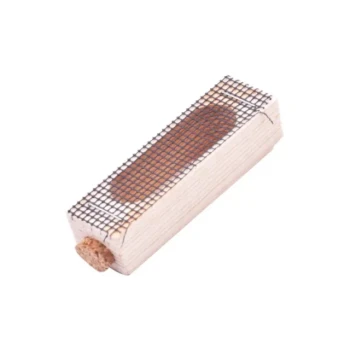
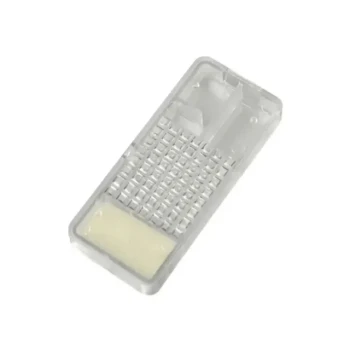
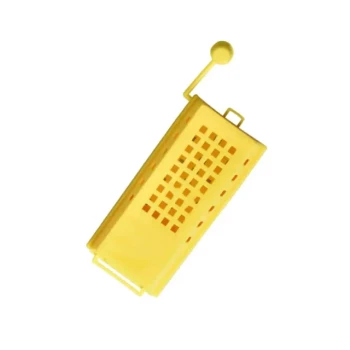
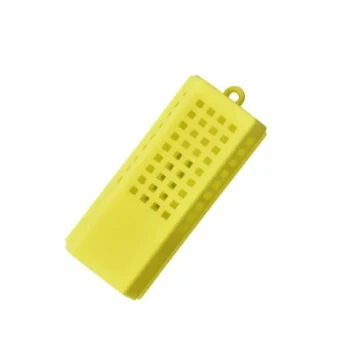
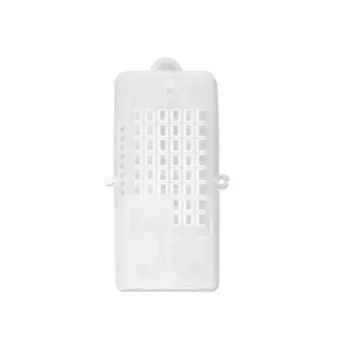
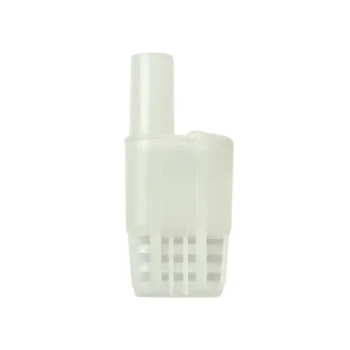
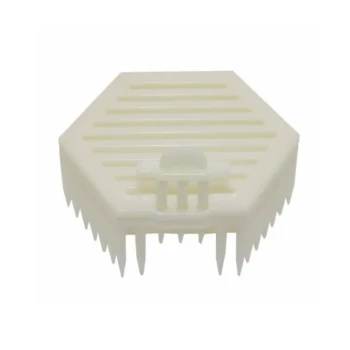
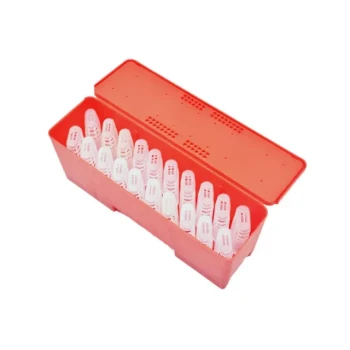
The recommended placement for a queen cage is suspended near the top of the frames, positioned directly in the center of the brood nest area. This specific location is critical because it ensures the queen remains warm and accessible to the nurse bees responsible for feeding and accepting her.
The queen cage must be placed centrally and high up to surround the queen with nurse bees for care while isolating her from cold drafts that enter through the bottom of the hive.
Strategic Positioning for Survival
To ensure the queen's survival during the introduction period, you must prioritize temperature regulation and social integration.
The Importance of the Center
You should place the cage in the horizontal center of the hive box. In a standard 10-frame setup, this would be between frames 5 and 6.
This central area is the heart of the "brood nest," where the colony clusters. By placing the queen here, you ensure she is surrounded by nurse bees, who are the demographic most likely to care for her and accept her pheromones.
Elevation and Temperature Control
The cage should be positioned near the top bars of the frames, rather than deep down or on the bottom board.
Heat rises within the hive. Keeping the queen high prevents her from being chilled by cold drafts, which often enter through the main entrance or screened bottom boards.
Orientation Relative to Resources
In a properly organized hive, brood frames are central, flanked by food frames (honey and pollen) on the outside.
Placing the queen in the center keeps her close to the brood area where the colony's activity is focused. This prevents isolation, which can occur if she is placed near the outer "food" frames or empty peripheral frames.
Common Placement Pitfalls
Even with the correct general location, small mechanical errors can jeopardize the queen.
Blocking the Mesh Screen
While the queen is in the cage, she cannot feed herself; she relies on worker bees to feed her through the wire mesh.
Ensure the mesh screen of the cage is not pressed tightly against the wax or honey of a neighboring frame. There must be a gap so nurse bees can access the screen to feed her and detect her pheromones.
Placing the Cage Too Low
Avoid dropping the cage to the bottom of the frames or resting it on the bottom board.
As noted in the primary guidelines, the bottom of the hive is susceptible to drafts. A queen trapped in a cage cannot move to a warmer spot and will perish if the temperature drops too low.
Making the Right Choice for Your Goal
The exact nuance of placement depends on the current state of your equipment and colony.
- If your primary focus is installing a new package: Place the cage between the center frames (usually empty foundation), as this dictates where the colony will start building their brood nest.
- If your primary focus is requeening an established hive: Identify where the existing brood pattern is strongest and place the cage near the top of those specific frames to maximize nurse bee contact.
Correct placement is the single most controllable factor in ensuring your colony accepts their new leader.
Summary Table:
| Factor | Recommended Placement | Why It Matters |
|---|---|---|
| Horizontal Position | Center of the brood nest (e.g., between frames 5 & 6) | Highest concentration of nurse bees for care and feeding. |
| Vertical Position | Near the top bars of the frames | Heat rises; protects the queen from cold drafts at the bottom. |
| Screen Orientation | Mesh facing out with a clear gap | Allows workers to feed the queen and sense her pheromones. |
| Proximity | Surrounded by active brood | Keeps the colony cluster focused on the new queen. |
Scale Your Apiary Operations with HONESTBEE
Successful beekeeping starts with the right techniques and the highest quality equipment. At HONESTBEE, we specialize in supporting commercial apiaries and distributors by providing a comprehensive wholesale range of professional-grade tools. From precision hive-making and honey-filling machinery to essential industry consumables and unique honey-themed merchandise, we empower your business to thrive.
Ready to enhance your productivity and secure your colony’s future? Contact us today to discuss how our global supply solutions can benefit your apiary.
Related Products
- Durable Galvanized Steel Spring Queen Bee Cage
- Classic Wooden and Mesh California Queen Cage
- Professional Queen Bee Introduction and Transport Cage
- Professional Queen Cage with Sliding Gate and Feeder Plug
- Professional Multi-Compartment Queen Cage with Sliding Lid
People Also Ask
- Why are specialized queen bee cages used for the banking of mated queen bees? Maximize Commercial Apiary Storage Efficiency
- What is the mechanism of action for using temporary queen bee cages? Master Successful Queen Introduction
- What is the step-by-step process for installing a queen bee's cage onto a frame? Ensure Hive Acceptance Safely
- What is the optimal placement for a queen bee cage? Essential Strategies for Successful Re-queening
- What are the advantages and disadvantages of introducing a queen bee by embedding the cage? Boost Your Queen Acceptance