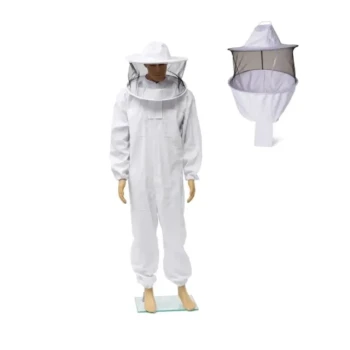
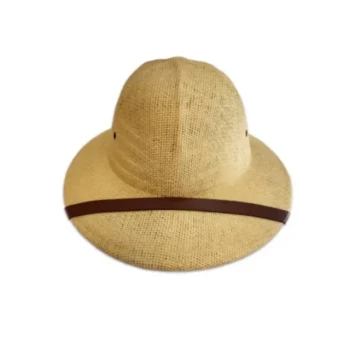
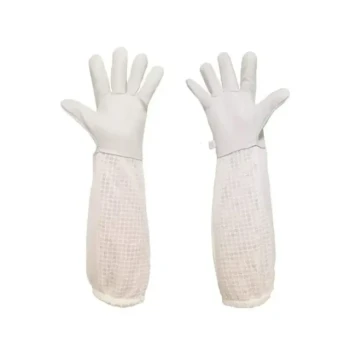
The recommended procedure for cleaning a beekeeping veil is a gentle hand-wash using warm, soapy water. To maintain the structural integrity of the protective mesh, you must avoid machine washing and drying. By manually removing debris and allowing the gear to air dry, you prevent warping and tears that compromise your safety.
The delicate mesh of a beekeeping veil is essential for visibility and protection. To preserve this material, always hand-wash with a soft sponge and air dry; mechanical agitation and dryer heat will permanently damage the netting.
The Correct Cleaning Protocol
To ensure your equipment lasts and continues to provide a safe barrier against stings, follow this manual cleaning process.
Prepare the Gear
If your veil is designed to detach from a helmet or protective hood, remove it before cleaning. Separating the components allows you to clean the mesh more effectively without the bulk of the hard hat or heavy suit fabric.
The Soaking Method
Fill a sink or large tub with warm water and a small amount of soap. Submerge the veil and allow it to soak briefly to loosen sticky residues like honey or propolis.
Gentle Debris Removal
Using a soft sponge or your hands, gently rub the material to remove dirt, wax, and honey. Focus on areas with visible buildup, but apply minimal pressure to avoid stretching the mesh holes.
Rinsing the Material
Once the debris is removed, rinse the veil thoroughly with cool to warm water. Ensure all soap residue is washed away, as dried soap can attract dirt or irritate your skin during future use.
Proper Drying Technique
Hang the veil in a well-ventilated area to air dry. Position it so the mesh hangs naturally, preventing creases or folds that could weaken the material over time.
Critical Mistakes to Avoid
Understanding what not to do is just as important as the cleaning process itself. Improper handling is the leading cause of equipment failure.
Avoid High Heat
You must never use a clothes dryer for a beekeeping veil. The intense heat generated by dryers can warp, melt, or shrink the synthetic materials used in the mesh, rendering the veil unusable.
Prevent Mechanical Damage
Do not place the veil in a washing machine. The agitation cycle can cause the netting to get caught on agitators or other clothes, leading to tears that bees can easily penetrate.
Making the Right Choice for Your Gear
Proper maintenance ensures your protective gear remains reliable season after season.
- If your primary focus is longevity: Exclusively hand-wash and air dry your veil to prevent mechanical wear and heat damage.
- If your primary focus is removing heavy residue: Allow the veil to soak in warm water longer to naturally dissolve wax and propolis before scrubbing.
Treat your veil with care, and it will continue to offer the clear visibility and robust protection required for safe hive management.
Summary Table:
| Step | Action | Key Tool/Material |
|---|---|---|
| Preparation | Detach mesh from helmet/hood | Manual disassembly |
| Soaking | Submerge in warm, soapy water | Mild soap & warm water |
| Cleaning | Gently rub to remove propolis/wax | Soft sponge or hands |
| Rinsing | Wash off all soap residue | Cool to warm water |
| Drying | Hang in a ventilated area | Air dry only (No heat) |
Maximize the Life of Your Protective Gear with HONESTBEE
At HONESTBEE, we understand that your safety depends on the quality and maintenance of your equipment. As a premier partner for commercial apiaries and distributors, we provide a comprehensive range of professional beekeeping tools, from specialized hive-making machinery to durable protective clothing designed to withstand the rigors of the field.
Whether you need high-quality consumables or industrial-grade honey-filling equipment, our wholesale solutions are tailored to scale your operations efficiently. Contact us today to discuss your bulk equipment needs and discover how our expert-vetted inventory can strengthen your beekeeping business.
Related Products
- Beekeeper Cowboy Hat and Veil for Beekeeping
- White Cotton Beekeeping Jacket and Veil for Bee Keepers
- Professional Square Folding Wire Mesh Beekeeping Veil
- Premium Cotton Beekeeper Suit with Reinforced Fencing Veil
- Premium Cowboy Beekeeper Hat with Visibility Veil Outdoor Professional Beekeeping Protective Gear
People Also Ask
- What is the correct way to wash a beekeeping hat and veil? Safe Hand-Washing Guide to Protect Your Gear
- What are the components and importance of a beekeeper's hat and veil? Essential Safety Gear for Apiary Success
- What are the differences between a separated and an attached beekeeping hat and veil? Security vs. Versatility
- What are the design specifications for an effective beekeeping hat and veil? Professional Standards for Protection
- What is the function of a beekeeping hat and veil? Essential Protection for Safe Hive Management