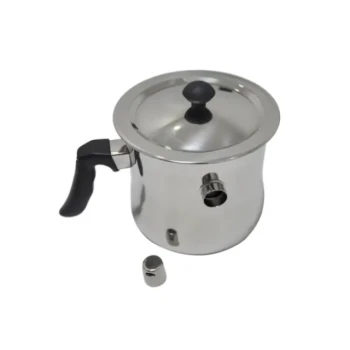
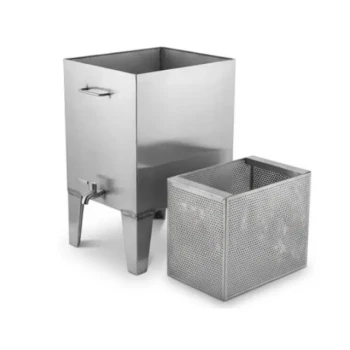
For creating foundation sheets, the ideal temperature range for melting beeswax is between 70°C and 80°C (approximately 158°F to 176°F). This process requires using a bain-marie (water bath) to ensure even heating; you must never melt beeswax directly over an open flame or allow the wax itself to boil. Maintaining this specific temperature window is the defining factor in achieving the correct sheet thickness and consistency.
Temperature precision is the difference between a usable foundation sheet and wasted material. Your thermal control dictates the physical thickness of the sheet while preserving the wax's natural aroma and structural integrity.
Achieving the Correct Consistency
The Ideal Temperature Window
To manufacture effective foundation sheets, you must maintain the beeswax between 70°C and 80°C.
This range ensures the wax is fluid enough to coat the mold evenly but viscous enough to adhere properly.
How Temperature Dictates Thickness
The temperature of your wax directly controls the thickness of the resulting foundation sheet.
If the temperature is too high (near 80°C): The wax becomes too fluid. This results in sheets that are excessively thin, which may be fragile or difficult for bees to work with.
If the temperature is too low (near 70°C): The wax begins to thicken prematurely. This results in sheets that are too thick, wasting valuable beeswax and potentially creating heavy, uneven foundations.
Adjusting on the Fly
You should view temperature as a dynamic variable rather than a static setting.
If your sheets are coming out inconsistent, check your thermometer immediately. Adjust the heat source up or down to find the "sweet spot" within that 70-80°C range that yields the specific thickness you desire.
Preserving Wax Quality and Safety
The Necessity of a Bain-Marie
Always melt beeswax in a bain-marie or double boiler.
This method uses hot water to gently transfer heat to the wax, preventing the rapid temperature spikes that occur with direct heat. The water in the outer pan should generally remain below boiling to prevent splashing or excessive steam.
Protecting the Wax’s Integrity
While foundation sheets require 70-80°C, be aware that beeswax begins to degrade chemically at higher temperatures.
Exceeding 77°C (170°F) can cause the wax to discolor and lose its characteristic aroma. To retain the wax's natural anti-microbial properties and scent, try to work at the lower end of the recommended range (closer to 70°C-75°C) whenever possible.
Critical Safety Limits
Beeswax is a fuel; never treat it casually.
The flashpoint of beeswax is 204°C (400°F), at which point it becomes extremely flammable. Never leave melting wax unattended, and ensure you have a fire safety plan that does not involve water, as adding water to a grease fire causes eruptions.
Common Pitfalls to Avoid
The Boiling Water Hazard
While the wax needs to be hot, you should avoid vigorously boiling the water in your double boiler.
Boiling water creates turbulence that can accidentally splash water into the melting wax. Water contamination can ruin the texture of the final product and cause sputtering.
Overheating for Speed
It is tempting to crank up the heat to melt wax faster, but this is a mistake.
Overheating leads to "cooked" wax that is dark and brittle. Patience with a low, steady heat source yields a superior, pliable foundation sheet that retains the qualities beneficial to the hive.
Making the Right Choice for Your Goal
To ensure the success of your foundation sheets, adhere to these specific guidelines:
- If your primary focus is Economy (Maximizing Wax): Aim for the higher end of the range (77°C - 80°C) to produce thinner sheets, but monitor closely for fragility.
- If your primary focus is Quality (Aroma and Color): Aim for the lower end of the range (70°C - 75°C) to preserve natural anti-microbials and prevent discoloration.
- If your primary focus is Safety: Utilize a double boiler, wear protective gear, and ensure the wax temperature never approaches the flashpoint of 204°C.
Consistent temperature monitoring is the only way to transform raw beeswax into high-quality foundation sheets that your bees will accept.
Summary Table:
| Factor | Temperature Range | Effect on Foundation Sheet |
|---|---|---|
| Ideal Range | 70°C - 80°C (158°F - 176°F) | Optimal thickness, fluidity, and adhesion. |
| High Temp | ~80°C | Thinner, fragile sheets; maximizes wax economy. |
| Low Temp | ~70°C | Thicker, heavier sheets; better aroma & color. |
| Critical Limit | Above 77°C (170°F) | Risk of discoloration and loss of aroma. |
| Flash Point | 204°C (400°F) | Extremely flammable; severe safety hazard. |
Elevate Your Apiary Production with HONESTBEE
At HONESTBEE, we understand that precision is the key to a thriving beekeeping business. Whether you are a commercial apiary or a specialized distributor, our comprehensive wholesale solutions are designed to optimize your operations. From specialized foundation-making machinery and honey-filling equipment to premium hardware and essential consumables, we provide the tools you need to achieve professional results.
Why partner with HONESTBEE?
- Expert Machinery: Streamline your production with our high-precision hive-making and wax-processing tools.
- Scalable Wholesale Supply: Get the full spectrum of beekeeping equipment and merchandise tailored to your volume requirements.
- Industry Expertise: Benefit from equipment designed to maintain the integrity of your hive products.
Ready to scale your production and provide superior value to your customers? Contact us today to explore our wholesale catalog!
Related Products
- Beeswax Machine Press Embosser Wax Foundation Mold Printer Bee Hive Equipment Making Sheet
- Fully Automatic Beeswax Embossing Machine Foundation Mill
- Electric Beeswax Foundation Machine With Operating Tray and Wax Foundation Roller
- Manual Beeswax Comb Foundation Machine Wax Foundation Mill Embossing Machine
- Electric Flatting and Embossing Machine with Tray for Beekeeping
People Also Ask
- What equipment is needed to make beeswax foundation? A Guide to DIY Wax Sheet Production
- What miscellaneous equipment is needed for making foundation? A Guide to the Essential Tools
- What miscellaneous equipment is useful when making beeswax foundation? Essential Support Tools for Beekeepers
- What specific equipment is required for making beeswax foundation? Essential Tools for High-Quality Production
- What are the advantages of implementing a pulley and belt drive system in beeswax foundation machinery? Master Quality.