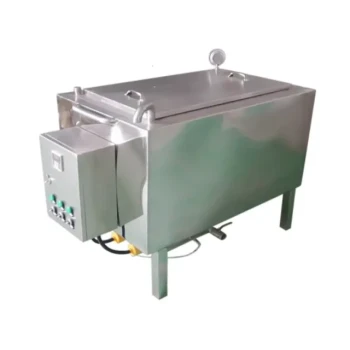
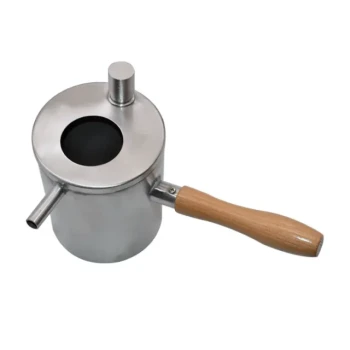
Operational success in wet beeswax purification depends on the precise integration of thermal melting with high-pressure mechanical separation. To operate these systems effectively, you must utilize hot water or steam to induce melting, followed by a wax press to physically separate liquid wax from solid residues, ensuring both purity and decontamination.
The critical objective of the wet purification process is the isolation of clean beeswax from contaminated solids. By applying powerful mechanical pressure to separate liquid wax from waste slag, you can reduce radioactive contamination levels by approximately 46.4%.
The Mechanics of Wet Purification
Thermal Induction
The process begins with an industrial-grade wax melter. Unlike direct fire methods, this equipment utilizes hot water or steam as the heating medium. This method provides consistent, even heat that melts the wax without scorching it.
Mechanical Separation
Once the wax is molten, a wax press is employed to apply intense mechanical pressure. This step is distinct from simple filtration; it forcefully squeezes the mixture to extract the maximum amount of liquid beeswax.
Residue Isolation
The pressing process separates the desirable liquid wax from the waste wax slag. This slag consists of solid impurities, cocoons, and bee debris that remain after the liquid is extracted.
Critical Safety and Quality Protocols
Managing Radionuclide Dispersion
A unique operational challenge in wet processing is the behavior of radionuclides. Because these contaminants can disperse with moisture, you must adhere to strict separation rules within the facility.
Decontamination Efficiency
The mechanical separation provided by the wax press is not just for clarity; it is a decontamination step. By effectively isolating the solid waste slag, the process significantly lowers the radioactive contamination level of the resulting beeswax.
Temperature Precision
While the primary goal is separation, maintaining precise temperature control is vital. As noted in general refining standards, avoiding overheating prevents the beeswax from degrading, preserving the physical and chemical properties required for high-end applications like cosmetics or medical polishes.
Common Pitfalls to Avoid
Neglecting Waste Management
Because the separation process concentrates contaminants into the solid residue, the waste wax slag becomes a focal point for pollution. Failing to handle and dispose of this slag carefully can lead to re-contamination of the clean wax or the workspace.
Inadequate Pressure Application
The efficiency of the decontamination (the 46.4% reduction) relies on thorough separation. Insufficient mechanical pressure leaves liquid wax trapped in the slag, resulting in lost yield and lower purification rates.
Making the Right Choice for Your Goal
To maximize the utility of your industrial wax processing setup, align your operational focus with your end goals:
- If your primary focus is Safety and Decontamination: Prioritize the maintenance of your wax press to ensure maximum mechanical pressure is applied, maximizing the separation of radionuclides from the final product.
- If your primary focus is Commercial Quality: Ensure your heating systems maintain a constant temperature to prevent degradation, ensuring the wax meets food or cosmetic grade standards.
Effective wet purification turns raw material into a valuable resource by rigorously separating the useful liquid from the hazardous solid.
Summary Table:
| Operational Phase | Key Equipment | Primary Function | Critical Success Factor |
|---|---|---|---|
| Thermal Induction | Industrial Wax Melter | Uniform melting via steam/hot water | Precise temperature control to prevent scorching |
| Mechanical Separation | Industrial Wax Press | High-pressure extraction of liquid wax | Maximum pressure application for high yield |
| Decontamination | Press & Filtration | Isolation of radionuclides in slag | Strict waste management to avoid re-contamination |
| Quality Control | Monitoring Systems | Preservation of wax properties | Balancing heat and pressure for medical/cosmetic grade |
Elevate Your Beeswax Production with HONESTBEE
Maximize your purification efficiency and product value with professional-grade equipment. HONESTBEE specializes in supporting commercial apiaries and distributors with a comprehensive range of high-performance beekeeping tools and industrial machinery.
Whether you need precision wax-making machines, high-capacity honey-filling lines, or essential industry consumables, our portfolio is designed to enhance your operational safety and commercial quality.
Ready to scale your apiary operations? Contact us today to discover how our wholesale solutions and technical expertise can streamline your beeswax processing and honey production.
References
- I.A. Prokhoda, V.V. Feshchenko. The study of practical experience in the purification and protection of api-products from radioactive contamination in the period from 1986-1989 for use in modern food production. DOI: 10.21870/0131-3878-2022-31-4-161-171
This article is also based on technical information from HonestBee Knowledge Base .
Related Products
- Steam Beeswax Melter Wax Warmer for Wax Processing
- Electric Commercial Beeswax Melter for Factory Use
- Beeswax Melter for Candle Making Honey Bee Wax Melter
- Manual Beeswax Flat Sheet Machine for Beeswax Processing
- Beeswax Machine Press Embosser Wax Foundation Mold Printer Bee Hive Equipment Making Sheet
People Also Ask
- How does a steam wax melter work? A Fast, Efficient Method for High-Quality Wax
- How does a professional steam wax melter optimize the recovery of beeswax? Maximize Yield & Hygiene for Your Apiary
- What are the steps to use a steam wax melter? Master Safe & Efficient Wax Rendering
- How do steam wax melters function in the disinfection of apiary equipment? Achieve Chemical-Free Organic Sterilization
- How do you operate a steam wax melter? Master Efficient Wax Extraction and Frame Sterilization