In commercial honey classification, color serves as the primary visual indicator of flavor intensity. Generally, lighter-colored honeys possess a mild, delicate taste, while darker honeys exhibit a stronger, more robust flavor profile. This system allows purchasers to use visual grades to anticipate the taste characteristics of the product before consumption.
While color provides a reliable baseline for predicting flavor intensity—ranging from mild light grades to robust dark grades—it is not the sole determinant of taste. Commercial classification uses this correlation to standardize product labeling and manage consumer expectations regarding flavor strength.
The Correlation Between Shade and Taste
Predicting Intensity Through Color
In the commercial market, honey color is used as a heuristic for flavor strength. Purchasers can reliably assume that a honey classified as "White" or "Extra Light Amber" will be mild and subtle.
The Robustness of Darker Grades
Conversely, honey classified as "Dark Amber" usually indicates a much more distinct and pungent flavor profile. This intensity often appeals to those looking for a sweetener with a dominant taste character.
The Mineral Connection
The link between color and flavor is often rooted in chemistry. Darker honeys generally contain higher mineral content and antioxidant levels, which contribute to their stronger, more complex flavor notes.
Objective Classification Standards
Removing Subjectivity
While consumers see a color on the shelf, the industry relies on precise measurements to determine these grades. Instruments are used to measure color on the Pfund scale in millimeters.
Standardization for Pricing
This objective measurement eliminates human error in visual assessment. By categorizing honey into specific grades like "Extra White" or "Light Amber," producers can justify pricing and ensure consistency for large-scale buyers.
Limitations of Color Grading
Color is a Guide, Not a Guarantee
It is critical to understand that while color indicates intensity, it does not define specific flavor notes. Two honeys of the exact same shade can taste significantly different depending on their floral source.
The Influence of Other Factors
As noted in commercial standards, color is only one of several factors contributing to the final profile. Processing methods, floral origin, and age can all alter the taste, sometimes creating discrepancies between the expected flavor (based on color) and the actual experience.
Making the Right Choice for Your Goal
When selecting honey based on commercial classification, align your choice with your desired outcome:
- If your primary focus is delicate sweetness: Select "White" or "Extra Light Amber" grades to ensure the honey does not overpower other ingredients.
- If your primary focus is rich flavor or nutrition: Opt for "Dark Amber" grades, which correlate with higher mineral content and a more robust taste.
- If your primary focus is consistency: Rely on products that strictly adhere to Pfund scale classifications to minimize batch-to-batch variation.
Use color as a helpful roadmap for intensity, but remain open to the unique nuances found in specific floral varieties.
Summary Table:
| Honey Grade (Pfund Scale) | Color Appearance | Flavor Intensity | Typical Characteristics |
|---|---|---|---|
| White / Extra Light | Pale to Clear | Mild & Delicate | Subtle sweetness, won't overpower other ingredients |
| Light Amber | Golden | Moderate | Balanced sweetness with floral undertones |
| Amber / Dark Amber | Deep Brown | Strong & Robust | High mineral content, pungent and complex notes |
Elevate Your Honey Business with HONESTBEE
Are you looking to streamline your honey production or expand your product line? HONESTBEE specializes in supporting commercial apiaries and distributors with premium wholesale solutions. From high-precision honey-filling machines that ensure consistent Pfund scale grading to a full spectrum of specialized beekeeping tools and machinery, we provide the hardware you need for success.
Whether you require essential consumables or unique honey-themed cultural merchandise to captivate your customers, HONESTBEE is your trusted industry partner. Contact us today to discover how our comprehensive equipment and wholesale offerings can optimize your operations and grow your brand.
Related Products
- High Quality Honey Dehumidifier Dryer Thickening Machine for Beekeeping
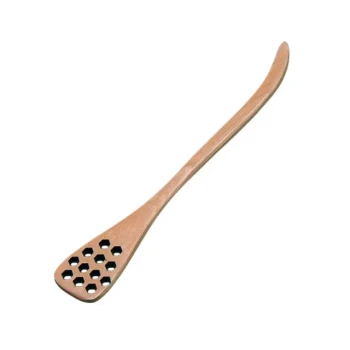
- Modern Honeycomb Pattern Wooden Honey Dipper for Stirring and Drizzling
- Economy Small Scale Honey Dryer Dehumidifier Thickening Machine
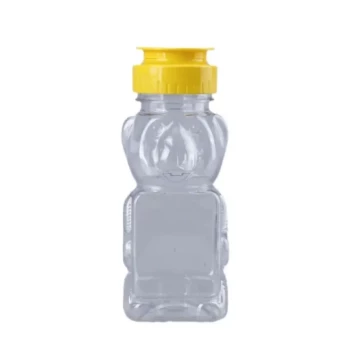
- Classic Honey Bear Jars with Flip Top Dispensing Cap for Liquid Sweeteners
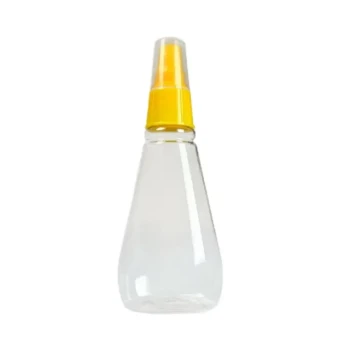
- Inverted Squeezable Honey Jar with No Drip Flip Top Cap for Easy Pouring
People Also Ask
- Can you dehumidify honey? A Beekeeper's Guide to Preventing Fermentation
- How to dry up honey? The Safe Guide to Stabilizing Honey and Preventing Fermentation
- How can the moisture content of honey be reduced? A Guide to Safe, Effective Drying Methods
- How to remove humidity from honey? Protect Your Harvest from Fermentation
- What is the process for using a dehumidifier to lower honey's moisture content? Expert Drying Techniques