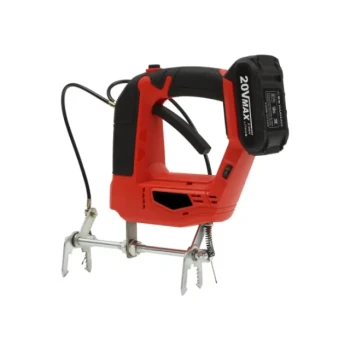
A dedicated sprayer serves as the critical delivery mechanism for ozone disinfection in the beekeeping workflow. It functions by atomizing prepared ozone water, creating a fine mist that ensures uniform coverage across hive bodies, frames, and tools. This physical application allows dissolved ozone and secondary oxidants to penetrate deep into crevices, ensuring direct contact with pathogens that reside on irregular surfaces.
While the ozone generation system creates the disinfecting agent, the sprayer is responsible for its effective deployment. It bridges the gap between chemical potential and biological safety by ensuring oxidants physically reach and neutralize pathogens in hard-to-access areas without leaving toxic residues.
The Mechanics of Effective Application
Atomization of the Solution
The primary technical function of the sprayer is to atomize the liquid. By breaking the ozone water down into fine droplets, the device maximizes the surface area of the disinfectant.
Uniform Surface Coverage
Beekeeping equipment is rarely smooth; it consists of wood grain, wax, and propolis. The sprayer ensures that the dissolved ozone coats these textures evenly, preventing "dry spots" where pathogens could survive.
Delivering Secondary Oxidants
The sprayer delivers more than just ozone. It transports secondary oxidants—specifically hydrogen peroxide and hydroxyl radicals—directly to the target surface. These compounds are essential for breaking down the cell walls of bacteria and fungi.
Strategic Hygiene and Bio-Security
Deep Sterilization in Crevices
Pathogens responsible for infectious bee diseases often retreat into the joinery of hives or the corners of frames. The pressure from the dedicated sprayer forces the solution into these crevices and recesses.
Residue-Free Sanitation
Unlike traditional chemical treatments that may require rinsing or leave persistent toxins, the ozone delivered by the sprayer is non-polluting. It decomposes naturally, ensuring that honey and wax remain free of chemical contamination.
Supporting Colony Health
By facilitating deep contact with pathogens, the sprayer helps maintain a high standard of hygiene. This reduces the viral and bacterial load within the apiary, directly supporting the biological security of the bee colony.
Understanding the Trade-offs
Line-of-Sight Limitation
Ozone water is a contact disinfectant, not a gas fumigant. If the sprayer cannot physically hit a surface due to shadowing or debris obstruction, sterilization will not occur in that specific spot.
Pre-Cleaning Requirements
Because the sprayer relies on direct contact, surfaces heavily coated in debris may protect pathogens underneath. The sprayer is most effective when used on equipment that has been mechanically scraped or roughly cleaned first.
Making the Right Choice for Your Workflow
To ensure your ozone disinfection protocols are effective, align your usage of the sprayer with your specific operational goals:
- If your primary focus is deep sterilization: Adjust the sprayer to a fine mist setting to maximize penetration into the pores of wood and tight joinery.
- If your primary focus is food safety: Rely on the sprayer’s ability to apply the solution heavily, knowing that the lack of residue ensures the safety of honey products and the bees themselves.
The sprayer is the decisive link that transforms a powerful oxidative solution into a practical, bio-secure reality for your apiary.
Summary Table:
| Feature | Function in Ozone Disinfection | Benefit to Beekeeping |
|---|---|---|
| Atomization | Breaks liquid into fine mist | Maximizes surface area and coverage |
| Pressure Delivery | Forces solution into crevices | Reaches pathogens in wood grain & joints |
| Contact Method | Transfers ozone & hydroxyl radicals | Immediate neutralization of bacteria/fungi |
| Residue Control | Facilitates natural decomposition | Ensures honey and wax purity |
Elevate Your Apiary Standards with HONESTBEE
Maintaining a disease-free environment is critical for commercial success. HONESTBEE empowers commercial apiaries and distributors with professional-grade solutions—from high-efficiency beekeeping tools and machinery to specialized honey-filling and hive-making equipment.
Our comprehensive wholesale portfolio is designed to enhance your operational efficiency and biological security. Whether you need industrial-scale equipment or essential industry consumables, our experts are ready to support your growth.
Secure your colony's health and optimize your production today.
References
- Sergei Oskin, Sergey Voloshin. Modeling process of water bubbling with ozone to obtain disinfectant solutions in beekeeping. DOI: 10.22616/erdev2019.18.n412
This article is also based on technical information from HonestBee Knowledge Base .
Related Products
- Adjustable Formic and Acetic Acid Dispenser for Bee Mite Treatment
- Compact Circular Bee Mite Treatment Dispenser
- Heavy Duty Manual Bee Smoker Blower for Beekeeping
- High Performance Cordless Electric Bee Shaker for Beekeeping
- Lightweight Durable Plastic Queen Excluder Scraper for Beekeeping
People Also Ask
- How is the process regulation function of a Formic Acid Dispenser implemented? Achieve Safe, Effective Varroa Control
- Why is a specialized formic acid evaporator necessary? Ensure Safe & Effective Varroa Mite Treatment
- What role do Formic Acid Dispensers play in the biochemical control of Varroa mites? Precision Mite Management
- What is the primary function of a specialized evaporation dispenser? Master Formic Acid Varroa Control
- What is the function of specialized application devices for Varroa? Precision Control for Healthier Bee Colonies