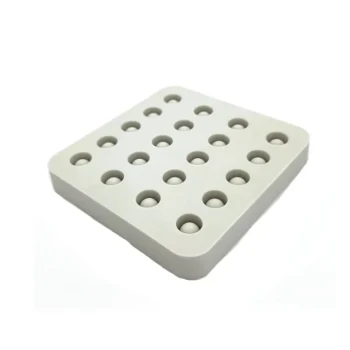
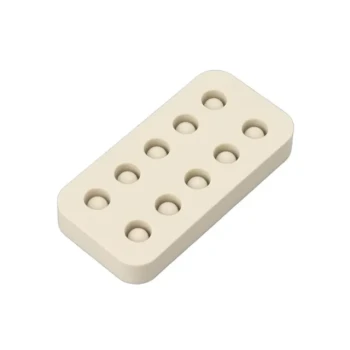
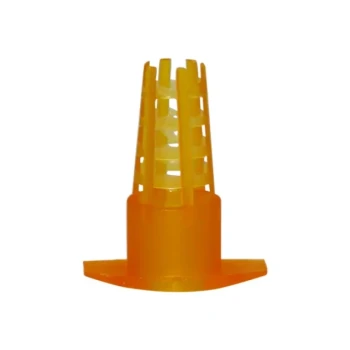
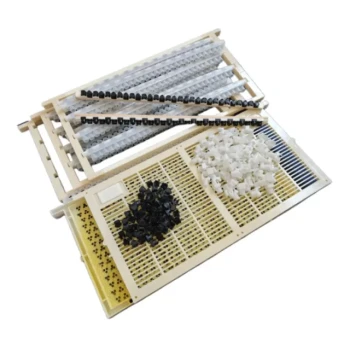
High-precision grafting needles and queen cell cups are the fundamental instruments of artificial queen rearing, serving as the bridge between a worker larva and a future queen. The needle enables the safe, non-destructive transfer of young larvae, while the cup provides a standardized, physical simulation of a natural queen cell to trigger royal development.
By systematizing the transfer and housing of larvae, these tools allow beekeepers to move from passive colony management to active genetic selection, ensuring the propagation of traits like productivity, docility, and disease resistance.
The Mechanics of Larval Transfer and Housing
Precision in Larval Handling
The primary role of the high-precision grafting needle is to facilitate the delicate transfer of worker bee larvae of a specific age.
Unlike standard hive tools, these needles are engineered to scoop the larva—often floating on a bed of royal jelly—without causing physical damage.
Preserving the physical integrity of the larva during this transition is critical, as even microscopic injury can result in rejection by nurse bees or developmental failure.
Simulating the Natural Royal Environment
Artificial queen cell cups serve as the physical foundation for the developing queen, replacing the wax cups bees would build naturally during swarming or supersedure.
These cups are structurally designed to align with the biological instincts of worker bees, tricking them into accepting the grafted larva as a destined queen.
By mimicking the geometry and orientation of natural cells, these cups ensure the colony directs its resources toward these specific larvae.
Why Standardization Matters for the Colony
Optimizing Royal Jelly Deposition
A critical but often overlooked function of standardized cell cups is their ability to keep larvae vertically suspended.
This specific orientation is essential because it allows nurse bees to deposit the maximum amount of royal jelly, effectively drowning the larva in nutrition.
This "flooding" ensures the developing queen receives the super-nutrition required to develop full reproductive vitality and a long lifespan.
Scaling Genetic Improvements
Using these tools allows for the batch replication of superior maternal genetics.
Instead of relying on random natural selection, a beekeeper can select a "breeder queen" with high productivity or disease resistance and use these tools to create dozens of genetically similar daughters.
This systematic approach maintains the production vitality of the apiary and standardizes behavior across all hives.
Understanding the Trade-offs
The Learning Curve of Precision
While grafting needles enable precision, they do not automate the skill; the success rate is heavily dependent on the operator's manual dexterity and vision.
Improper use of a high-precision needle can still damage the delicate larvae, leading to low acceptance rates regardless of the tool's quality.
Material Implications
Modern cell cups are often plastic, which offers durability and reusability compared to traditional wax dipping.
However, reusing plastic components introduces a strict requirement for sterilization to prevent the spread of pathogens between grafting cycles.
Failure to properly clean reusable cups can undermine the goal of disease resistance by mechanically transmitting infections.
Making the Right Choice for Your Goal
Whether you are maintaining a small apiary or running a commercial breeding operation, the utility of these tools changes based on your objectives.
- If your primary focus is large-scale production: Prioritize standardized plastic cell cups and bars to facilitate efficient batch grafting and ensure compatibility with rearing frames.
- If your primary focus is genetic quality: Focus on the ergonomics and tip fineness of the grafting needle to ensure zero physical trauma to the larvae during the selection process.
Mastering these tools is the turning point where a beekeeper stops collecting bees and starts improving them.
Summary Table:
| Tool | Primary Role | Key Benefit |
|---|---|---|
| Grafting Needle | Safe, non-destructive larval transfer | Prevents injury and ensures nurse bee acceptance |
| Queen Cell Cup | Simulates natural queen cell environment | Triggers royal jelly deposition and vertical development |
| Cell Bars | Organizes multiple cups for batch rearing | Facilitates large-scale production and genetic scaling |
| Royal Jelly | Nutritional foundation for larvae | Drives development of reproductive vitality and longevity |
Elevate Your Apiary Genetics with HONESTBEE
Transition from passive colony management to active genetic improvement with professional-grade tools from HONESTBEE. As a premier partner for commercial apiaries and beekeeping distributors, we provide the precision equipment necessary for high-success queen rearing.
Our value to your business includes:
- Comprehensive Wholesale Offering: A complete spectrum of high-precision beekeeping tools and essential consumables.
- Commercial-Scale Solutions: From ergonomic grafting needles to hive-making and honey-filling machinery.
- Industry Expertise: Quality hardware designed to maintain production vitality and standardize hive behavior.
Ready to scale your production and enhance colony productivity? Contact HONESTBEE today to access our full portfolio of beekeeping machinery and wholesale supplies.
References
- K. Beula, A Anandhy. Beekeeping for Women Empowerment in India: An Overview. DOI: 10.5281/zenodo.3549312
This article is also based on technical information from HonestBee Knowledge Base .
Related Products
- Brown Nicot Queen Cell Cups for Breeding Queen Bees Beekeeping
- JZBZ Type Wide Base Plastic Queen Cell Cups for Base Mounting and Queen Rearing
- Clear Black Plain Polystyrene Queen Bee Grafting Cell Cups No Lug for Bee Queen Cup
- JZBZ Push-In Queen Cell Cups for Beekeeping
- Premium Nicot Style Cell Bar Holder and Queen Cell Cup Holder System
People Also Ask
- What role do specialized queen rearing tools play in developing mite-resistant honeybee stock? Master Genetic Selection
- What materials are used to make artificial queen cell cups for grafting? Beeswax vs. Plastic Guide
- What roles do specialized queen cell cups play in royal jelly production? Optimize Your Hive's Secretion and Yield
- How does the standardized depth of queen cell cups affect larval acceptance? Boost Success with 6mm Precision
- Why is a diluted royal jelly solution applied to queen cell cups? Boost Acceptance in Artificial Grafting