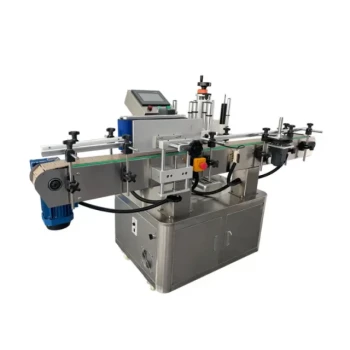
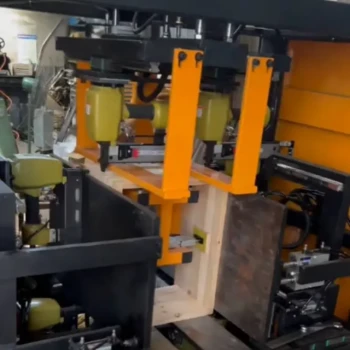
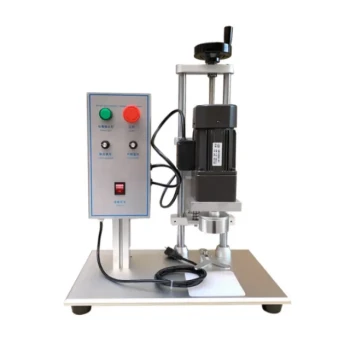
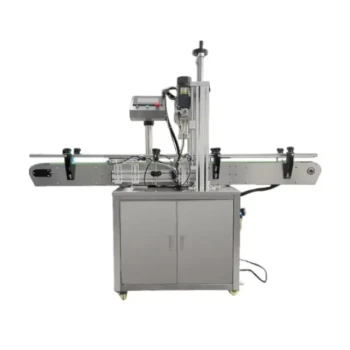
Labeling machines are specialized industrial systems designed to automate the application of labels onto products and packaging. These machines serve a critical function by ensuring that essential data—such as branding, barcodes, ingredient lists, and usage instructions—are adhered to items with a level of speed, accuracy, and consistency that manual processes cannot achieve.
Core Takeaway Labeling machines do more than just attach stickers; they act as the bridge between manufacturing and the consumer. By guaranteeing precision and integrating critical data, these systems ensure products are market-ready, compliant with regulations, and visually competitive on the shelf.
Driving Production Efficiency
Speed and Automation
Labeling machines significantly accelerate the packaging process. While manual labeling is time-consuming and prone to bottlenecks, automated systems can handle high volumes of product continuously.
Precision and Consistency
A primary role of these machines is to eliminate human error. They ensure every label is applied in the exact same position on every package.
Standardization
This consistency creates a professional appearance across the entire product line. A standardized look builds consumer trust and reinforces brand identity.
Enhancing Visual Communication
Reducing Information Asymmetry
Labels act as a vital communication tool, providing transparency between the manufacturer and the buyer. By clearly displaying nutritional values, origins, or shelf life, the machine ensures the consumer has the data needed to make a purchasing decision.
Boosting Shelf Appeal
As seen in sectors like the honey industry, high-clarity labeling directly influences a product's attractiveness. A machine-applied label that is smooth and perfectly aligned enhances the visual quality of the product, making it stand out in a crowded market.
Carrier of Critical Data
The machine ensures the package carries necessary logistical data. This includes barcodes for inventory management and specific health-promoting properties or instructions for the end user.
Ensuring Compliance and Traceability
Regulatory Adherence
Labeling machines often integrate with filling systems to print real-time data, such as physical-chemical indicators or batch numbers. This ensures every unit complies with regulatory standards, such as the Federal Inspection Service (SIF).
Full-Link Traceability
By accurately recording data like geographic origin and production dates, these machines enable quality traceability. This creates a documented history from the production source (like an apiary) all the way to the consumer market.
Understanding the Trade-offs
Automation vs. Flexibility
Highly automated labeling machines are incredibly fast, but they can be rigid. If your product lines change frequently or require unique, irregular label placements, a highly specialized machine may require significant downtime to reconfigure.
Upfront Cost vs. Long-Term Gain
Investing in automated labeling requires capital for the machinery and potential integration with existing filling systems. While this reduces labor costs and error rates over time, the initial expense can be a barrier for smaller operations.
Optimizing Your Packaging Strategy
When selecting a labeling solution, consider your specific operational goals:
- If your primary focus is Volume and Speed: Prioritize fully automated systems that integrate directly with your conveyor and filling lines to maximize throughput.
- If your primary focus is Compliance and Safety: Choose machines equipped with variable data printing capabilities to record real-time batch metrics and expiration dates.
- If your primary focus is Branding and Shelf Appeal: Invest in equipment known for high-precision application to ensure flawless visual presentation on retail shelves.
The right labeling machine transforms packaging from a manual burden into a strategic asset for quality control and consumer engagement.
Summary Table:
| Key Role | Primary Benefit | Strategic Impact |
|---|---|---|
| Production Efficiency | High-speed automation & consistency | Reduces bottlenecks; builds consumer trust |
| Visual Communication | Precise placement & data display | Improves shelf appeal; informs purchasing |
| Regulatory Compliance | Real-time batch & traceability data | Meets SIF standards; ensures market access |
| Brand Standardization | Uniform professional appearance | Reinforces identity; eliminates human error |
Elevate Your Beekeeping Business with HONESTBEE Solutions
At HONESTBEE, we understand that professional labeling is the final touch that turns a quality harvest into a premium brand. As a dedicated partner to commercial apiaries and distributors, we provide more than just equipment—we deliver global-standard efficiency to your production line.
From high-precision honey-filling machines and automated labeling systems to a complete range of beekeeping tools and machinery, our portfolio is designed to maximize your output and market readiness. Whether you need specialized hardware or industry consumables, our wholesale offerings cater to your specific growth needs.
Ready to transform your packaging process? Contact HONESTBEE Today to discover how our tailored equipment can streamline your operations and enhance your brand's value.
Related Products
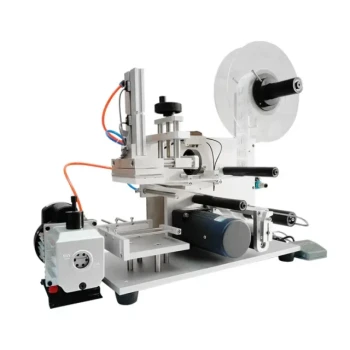
- HONESTBEE Pneumatic Flat Surface Labeling Machine
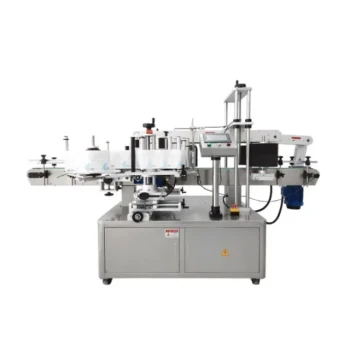
- Automatic Dual Sided In Line Labeling Machine
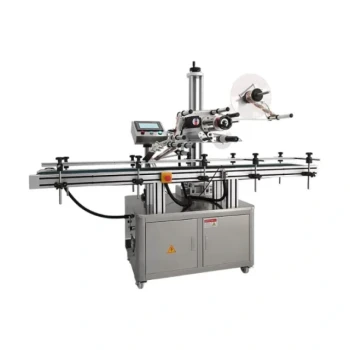
- Automatic In-Line Flat Surface Labeling Machine
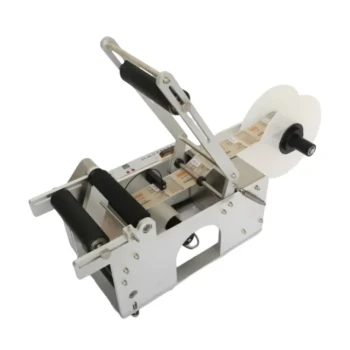
- Semi Automatic Round Bottle Labeling Machine
- Automatic In-Line Round Bottle Labeling Machine
People Also Ask
- What is the function of a labeling machine? Automate Your Product Identification and Branding
- What is the role of a labeling machine in honey packaging? Boost Brand Trust and Ensure Compliance
- What role do labeling machines play in packaging? Boost Efficiency, Accuracy, and Brand Appeal
- What information can be included on labels applied by labeling machines? A Guide to Strategic Labeling
- What are the benefits of using labeling machines? Boost Speed, Accuracy & Brand Image