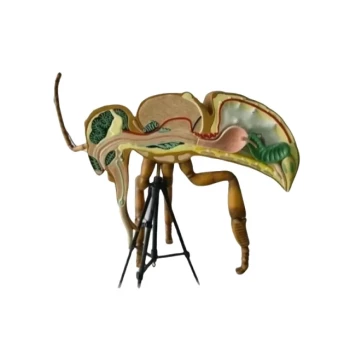
Morphological measurement tools function as the precision instruments of genetic verification. In the context of honeybee breeding, these tools are utilized in laboratory settings to quantify specific external physical traits, such as proboscis length and wing venation patterns. By capturing this data, breeders can objectively determine the genetic purity of a colony rather than relying on subjective visual estimation.
Quantitative morphological data bridges the gap between physical appearance and genetic potential. It ensures that breeding decisions are based on measurable standards, allowing for the precise selection of maternal colonies that define the future quality of the stock.
The Mechanics of Morphological Assessment
Targeting Specific Physical Attributes
Morphological tools are designed to measure minute details that are invisible or difficult to quantify with the naked eye.
Key measurements often include the proboscis length and the width of the third sternite.
Additionally, these tools analyze complex geometric features, such as the cubital index (wing venation) and the shape of the wax mirror.
Quantifying Genetic Purity
The primary role of these measurements is to provide quantitative data.
This data serves as a reliable indicator of the genetic purity of a specific bee population.
By comparing measurements against established baselines, breeders can confirm if a bee truly belongs to a specific strain or race.
Strategic Applications in Breeding
Screening Maternal Colonies
The most critical application of these tools is the screening of maternal colonies.
Breeders use the data to identify which colonies possess the physical traits associated with high performance.
This ensures that only the most genetically representative colonies are chosen to produce the next generation.
Maintaining Breed Standards
These tools act as a rigorous quality control mechanism for queens.
They ensure that every queen selected for breeding meets specific, pre-defined breed standards.
This process is essential for maintaining superior genetic resources and preventing the dilution of desirable traits over time.
Operational Considerations
The Necessity of Laboratory Settings
It is important to note that accurate morphological assessment is a laboratory-based process.
The reference emphasizes that these tools are used in controlled environments, not in the field.
This implies that accurate assessment requires time, specialized equipment, and a controlled setting to ensure data integrity.
Making the Right Choice for Your Goal
To effectively utilize morphological measurements, align your usage with your specific breeding objectives:
- If your primary focus is improving stock quality: Use these tools to rigorously screen maternal colonies for high-performance traits before grafting.
- If your primary focus is genetic conservation: Rely on these measurements to verify that your queens meet strict breed standards and maintain genetic purity.
By treating morphological measurement as a strict data discipline, you ensure the long-term stability and superiority of your bee genetics.
Summary Table:
| Feature | Measurement Target | Breeding Value Contribution |
|---|---|---|
| Wing Venation | Cubital Index | Confirming race-specific genetic purity |
| Proboscis Length | Tongue Measurement | Assessing foraging potential and strain accuracy |
| Body Structures | Wax Mirror & Sternite Width | Verifying physical health and breed standards |
| Maternal Screening | Visual Data Points | Selecting high-performance colonies for grafting |
Scale Your Apiary with Precision-Engineered Tools
At HONESTBEE, we understand that superior genetics are the foundation of a successful commercial operation. As a dedicated partner to commercial apiaries and global distributors, we provide the comprehensive infrastructure needed to turn genetic potential into high-yield results. From precision hardware and hive-making machinery to industrial honey-filling solutions, our wholesale portfolio is designed to enhance every stage of your production.
Ready to elevate your stock with industry-leading equipment? Contact us today to explore how our specialized tools and machinery can optimize your beekeeping business and protect your genetic investments.
References
- Айнур Алдиярова, J. B. Dosbolat. METHODS FOR IMPROVING REPRODUCTIVE AND PRODUCTIVE ABILITIES OF QUEEN BEE IN THE SOUTH OF KAZAKHSTAN. DOI: 10.52578/2305-9397-2023-3-2-226-233
This article is also based on technical information from HonestBee Knowledge Base .
Related Products
- HONESTBEE Professional Mini J-Hook Hive Tool for Beekeeping
- HONESTBEE 15-in-1 Beekeeper Multi-Tool with Hammer and Pliers for Beekeeping
- Plastic Beekeeping Honey Bee Larvae Grafting Tools for Queen Rearing and Chinese Grafting
- Professional Stainless Steel Pry-Bar Hive Tool
- Ergonomic Plastic Frame Spacer Tool for Rapid Hive Management Beekeeping
People Also Ask
- What specific challenges do beekeeping hive tools address during hive maintenance? Essential Solutions for Apiaries
- What is the recommended method for storing beekeeping tools? Expert Vertical Storage Solutions for Your Apiary
- How does a favorable microclimate interact with beekeeping tools? Boost Overwintering Success and Equipment Longevity
- Why is the treatment of beekeeping tools with high-concentration chemical disinfectants necessary for preventing AFB?
- What are the features of a J-hook hive tool? Effortlessly Lift Frames with Superior Leverage