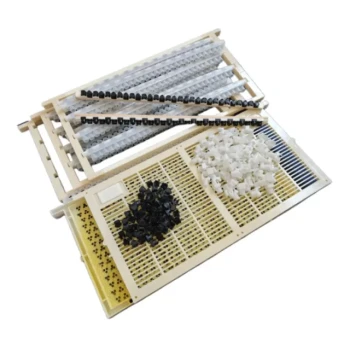
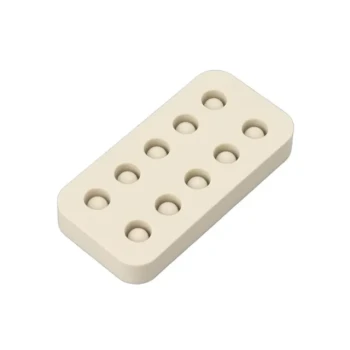
Professional queen rearing frames and artificial queen cells serve as the fundamental physical infrastructure for the Doolittle method. They function together to transform a biological instinct into a controlled process, housing 24-hour-old larvae in a standardized environment that compels nurse bees to feed and rear them as high-quality queens.
By simulating the geometry of natural queen cells within a modular frame system, these tools allow beekeepers to manipulate hive instincts, ensuring the mass production of queens with uniform genetic traits and superior physical development.
The Mechanism of Artificial Mimicry
The Doolittle method relies on deceiving the colony into believing it must raise new queens. The hardware is designed to support this biological "trick."
Artificial Queen Cells
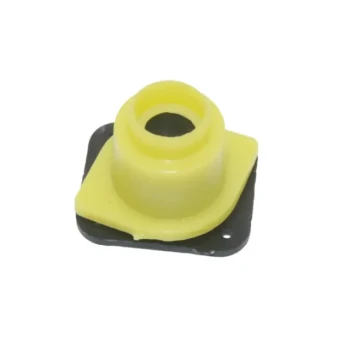
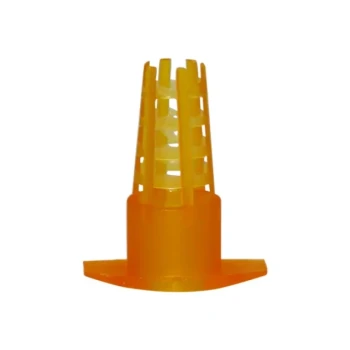
These components are the primary interface between the beekeeper and the bees. They are designed to mimic the exact shape and orientation of natural queen cells.
This physical mimicry induces worker bees to recognize the transferred larvae as potential queens. Once recognized, the workers accept the artificial cup and begin building it out with wax.
The Role of Standardization
In nature, queen cells are built sporadically and in irregular positions. Artificial cells provide a standardized spatial support system.
This uniformity ensures that every larva has equal space to develop. It eliminates the randomness of natural cell construction, allowing for consistent developmental monitoring.
Facilitating Nutritional Saturation
The ultimate goal of using this hardware is not just production, but the creation of "high-quality individuals." This quality is directly tied to nutrition.
Focusing Royal Jelly Secretion
By placing the frame into a strong, prepared colony (often called a starter or finisher), the artificial cups trigger an intense biological response.
The colony's nurse bees are induced to secrete abundant royal jelly specifically for the larvae in these cups.
Ensuring Physiological Quality
The frame holds the larvae in the optimal position to receive this care. This ensures the virgin queens receive sufficient nutritional support throughout their critical growth phase.
The result is a queen with superior egg-laying capacity and high physiological quality, derived from the massive energy investment of the nurse bees.
Scaling and Management
Beyond biology, these tools turn queen rearing from a craft into a scalable operation.
Modular Management
The grafting frame acts as a fixed interface for holding dozens of cups simultaneously.
This allows beekeepers to manage large-scale operations in a modular manner. Instead of handling individual cells, technicians can move entire batches of developing queens between starter and finisher colonies efficiently.
Selective Breeding
These tools are the core support system for propagating superior maternal lines.
By allowing the precise transfer of larvae from selected breeders into a neutral "nursing" environment, the frames ensure that a new generation of queens retains stable genetic traits while being raised by a strong population of nurse bees.
Understanding the Trade-offs
While effective, the use of professional frames and artificial cells introduces specific challenges that must be managed.
Dependency on Colony Strength
The hardware itself does not raise the queens; the bees do. These frames must be placed in exceptionally strong colonies with a surplus of young nurse bees.
If the colony lacks sufficient population or nutrition, they will fail to provision the artificial cells adequately, regardless of the hardware quality.
The Acceptance Barrier
Artificial cells are foreign objects. If they are not properly prepped (e.g., coated in wax or honey) or if the colony is not in the right "queenless" or "swarming" state, the bees may clean out the larvae rather than feed them.
Precision Requirements
The system relies on the precise transfer of larvae (grafting). The standardized frame highlights errors; if a larva is damaged during transfer into the artificial cell, the bees will immediately reject it, leaving a visible gap in the production line.
Making the Right Choice for Your Goal
The Doolittle method allows for control, but your specific goals dictate how you utilize this hardware.
- If your primary focus is Commercial Production: Utilize standardized plastic cups and industrial frames to maximize the number of queens produced per cycle, ensuring a consistent supply for colony splitting.
- If your primary focus is Genetic Improvement: Use the frames to isolate larvae from your single best breeder queen, using the artificial cells to distribute her genetics across your entire apiary.
Success in the Doolittle method comes not just from using the frames, but from understanding that they are merely vessels to direct the colony's immense resources toward your selected larvae.
Summary Table:
| Component | Primary Function | Impact on Queen Quality |
|---|---|---|
| Artificial Queen Cells | Mimics natural cell geometry to induce acceptance | Ensures uniform development and standardized larval housing |
| Queen Rearing Frames | Provides a modular, high-capacity structural interface | Facilitates efficient batch management and selective breeding scaling |
| Nurse Bee Interaction | Concentrates royal jelly secretion into specific cups | Produces queens with superior physiological traits and egg-laying capacity |
| Grafting Process | Enables precise transfer of selected 24-hour larvae | Guarantees the propagation of stable, superior maternal genetic lines |
Elevate Your Apiary's Productivity with HONESTBEE
At HONESTBEE, we specialize in empowering commercial apiaries and distributors with the professional tools needed for high-performance queen rearing. Whether you are looking for precision-engineered queen rearing frames, durable artificial cell systems, or industrial-grade honey-filling machinery, our comprehensive wholesale portfolio has you covered.
Our Value to You:
- Scalable Solutions: We supply a full spectrum of beekeeping hardware and machinery designed for large-scale operations.
- Industry Expertise: From hive-making equipment to essential consumables, our products are built to meet the rigorous demands of professional beekeepers.
- Consistent Quality: Ensure the genetic integrity and physiological strength of your colonies with our standardized equipment.
Ready to scale your production? Contact us today to explore our wholesale offerings!
References
- Ahmed M. Hassan, E. Tharwat. EFFECT OF GENOTYPE, WEIGHT OF HONEYBEE VIRGLN QUEENS AND BROOD STATUS ON SOME PARAMETERS USED FOR JUDGING THE QUEENS FROM THEIR INTRODUCTION UNTIL EGG-LAYING. DOI: 10.21608/ejarc.2004.225645
This article is also based on technical information from HonestBee Knowledge Base .
Related Products
- JZBZ Langstroth Queen Rearing Frame for Beekeeping
- Premium Nicot Style Cell Bar Holder and Queen Cell Cup Holder System
- JZBZ Type Wide Base Plastic Queen Cell Cups for Base Mounting and Queen Rearing
- Portable Bee Mating Hive Boxes Mini Mating Nucs 8 Frames for Queen Rearing
- JZBZ Style Shipping Cell Protector for Queen Rearing Kit
People Also Ask
- Why use finishing colonies for queen cell capping? Secrets to Superior Queen Quality and Performance
- How do queen rearing frames and grafting needles function together? Master the Doolittle Method for High-Quality Queens
- What is the purpose of queen rearing frames? Master Controlled Queen Production for Your Apiary
- What are the functions of queen rearing frames and artificial queen cells? Master Bee Genetic Improvement
- What roles do professional queen rearing frames and artificial queen cells play? Scaling Your Queen Bee Production