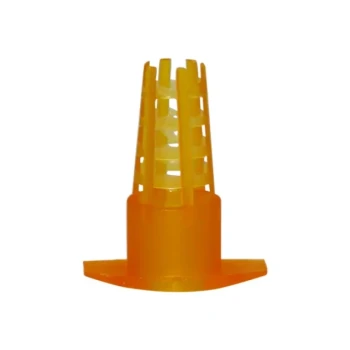
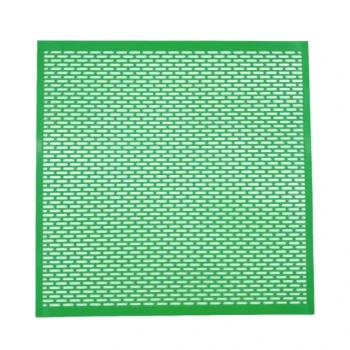
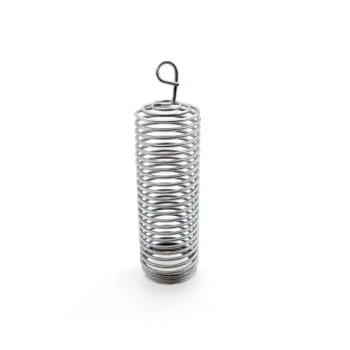
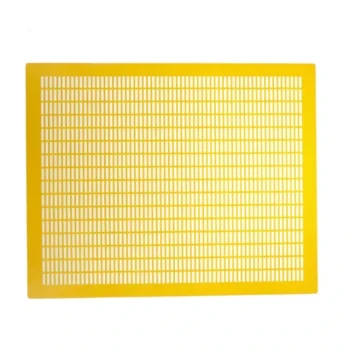
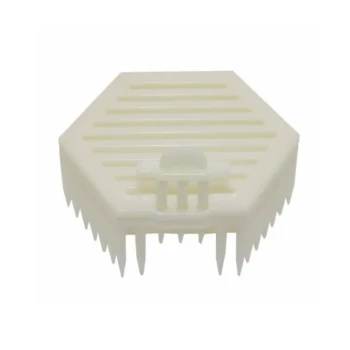
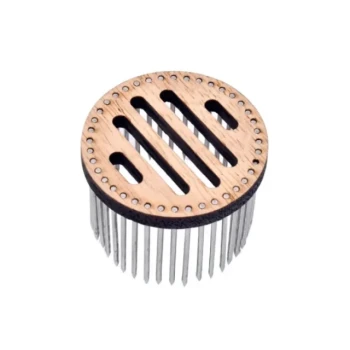
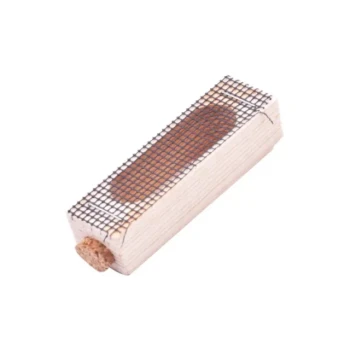
Queen cell protectors and emergence cages act as essential physical barriers designed to safeguard unhatched queen cells and isolate newly emerged virgin queens during colony management. These devices, typically made of plastic or metal mesh, are placed over queen cells shortly before hatching to prevent destruction by rival queens or aggressive workers, while simultaneously confining the young queen to stop her from engaging in fatal combat or escaping the hive.
Core Takeaway These devices are not merely protective covers; they are strategic management tools that allow beekeepers to control the precise timing of queen introduction and genetic selection. By physically isolating the queen while allowing pheromone exchange, they convert a potentially chaotic, fatal event into a controlled, high-success leadership transition.
The Mechanics of Protection and Control
Preventing Colony Fratricide
In a natural setting, the first queen to emerge often seeks out and destroys rival unhatched queen cells. Queen cell protectors serve as armor against this instinct. By encasing the cell in mesh or plastic, you prevent previously emerged queens or workers from chewing through the wax to kill the developing queen inside.
Containing the Virgin Queen
Once the queen hatches, the device functions as an emergence cage. This confinement is critical because it prevents the virgin queen from running loose in the colony immediately. Without this restraint, she might escape the hive entirely or initiate fatal combat with other queens, leading to the loss of valuable genetic stock.
Facilitating Pheromone Integration
While the cage acts as a physical barrier, it allows for essential chemical communication. The mesh design enables the odor exchange process, allowing the new queen's pheromones to diffuse slowly throughout the colony. This gradual exposure acclimates the worker bees to her scent without exposing her to immediate physical attacks.
Strategic Genetic Management
Optimizing Colony Genetics
Using these tools allows for precise artificial requeening. Beekeepers can introduce specific genetic traits, such as higher productivity or Varroa Sensitive Hygiene (VSH), into a colony. This targeted selection enhances the colony's natural resistance to diseases and environmental stressors without relying on chemical treatments.
Ensuring a Stable Transition
The introduction of a new queen is a period of high instability. By using professional cages to isolate the queen, you prevent "initial rejection"—a common scenario where workers attack an unfamiliar leader. This ensures the colony maintains its social order and long-term productivity during the transition.
Common Pitfalls to Avoid
Misunderstanding the Barrier's Purpose
It is crucial to remember that these cages are temporary isolation tools, not permanent housing. While they effectively prevent fatal combat, they also restrict the queen's movement entirely. The goal is to buy time for acceptance, not to keep the queen confined indefinitely.
Relying on Isolation Without Acclimatization
A physical barrier alone does not guarantee acceptance. The success of these devices relies on the "medium for odor exchange" mentioned in professional protocols. If the cage is removed before the workers have accepted the new pheromones, the protective benefits are nullified, and the queen may still be rejected.
Making the Right Choice for Your Goal
Whether you are rearing queens for sale or managing a single apiary, the use of protection devices depends on your specific objective.
- If your primary focus is Genetic Improvement: Use emergence cages to isolate specific VSH or high-productivity queens, ensuring they survive hatching to pass on resistant traits.
- If your primary focus is Queen Introduction: Utilize the cage as a safety buffer to allow for gradual pheromone diffusion, significantly increasing the acceptance rate of the new queen.
- If your primary focus is preventing Swarming/Loss: Apply protectors to prevent the first emerged virgin from destroying all other potential replacement queens in the hive.
By controlling the physical environment of the queen cell, you replace natural unpredictability with management stability.
Summary Table:
| Feature | Purpose | Primary Benefit |
|---|---|---|
| Physical Armor | Prevents destruction by rival queens or workers | Safeguards unhatched queen cells |
| Virgin Confinement | Isolates newly emerged queens | Prevents escape or fatal combat |
| Mesh Design | Enables chemical pheromone exchange | Facilitates colony acceptance |
| Genetic Control | Allows introduction of specific traits (e.g., VSH) | Enhances hive health and productivity |
| Strategic Buffer | Manages the timing of queen introduction | Converts chaotic transitions into controlled events |
Elevate Your Apiary's Success with HONESTBEE
Maximize your colony's potential and ensure successful queen transitions with professional-grade equipment. HONESTBEE caters to commercial apiaries and distributors with a comprehensive wholesale offering of premium beekeeping tools and machinery.
From queen cell protectors and emergence cages that secure your valuable genetics to specialized hive-making and honey-filling machines, we provide the full spectrum of equipment needed to scale your operations. Partner with us to access essential industry consumables and honey-themed cultural merchandise designed for the modern beekeeping market.
Ready to optimize your production? Contact us today to discuss our wholesale solutions and bulk pricing!
References
- Ralph Büchler, J. Wilde. Standard methods for rearing and selection of <i>Apis mellifera</i> queens 2.0. DOI: 10.1080/00218839.2023.2295180
This article is also based on technical information from HonestBee Knowledge Base .
Related Products
- JZBZ Style Shipping Cell Protector for Queen Rearing Kit
- JZBZ Style Push-In Cell Protector for Professional Queen Rearing Kits
- Premium Nicot Style Cell Bar Holder and Queen Cell Cup Holder System
- JZBZ Type Wide Base Plastic Queen Cell Cups for Base Mounting and Queen Rearing
- JZBZ Langstroth Queen Rearing Frame for Beekeeping
People Also Ask
- What is the purpose of queen cell protectors? Safeguard Your Queen Rearing Success
- How can aluminum foil be used to protect a queen cell? Low-Cost Shielding for Queen Introduction
- What are some methods and types of queen cell protectors? Safeguard Your Queen Introduction Process
- What is the primary reason for using queen cell protectors? Secure Your Yield with Proven Protection
- What is the purpose of queen cell protectors in a hive? Secure Your Hive's Future with Professional Protection