Straining and filtration act as the definitive quality control mechanism in beeswax candle manufacturing. By passing melted wax through nylon or polyester cloth, you physically remove fine particulates and impurities that naturally occur in the material. This step is mandatory to prevent wick clogging and to ensure the final product meets professional visual standards.
While filtration improves the visual appeal of the candle, its primary function is to secure the wick’s capillary action. Without it, microscopic debris will block the flow of fuel, causing the candle to burn poorly or self-extinguish.
The Mechanics of Effective Straining
Choosing the Filtration Medium
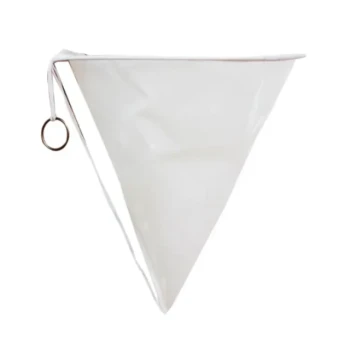
To effectively trap fine particulates, you must use a specific filtration medium. Nylon or polyester cloth is the standard requirement for this process to ensure adequate capture of debris.
The Role of Transparent Containers
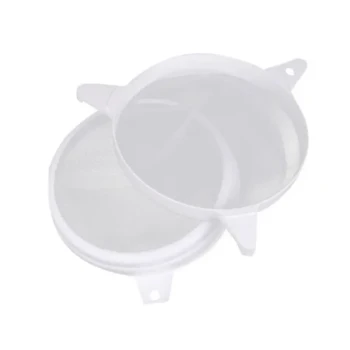
Filtering the wax into a transparent container provides an immediate visual feedback loop. It allows for precise measurement of volume while letting you actively monitor the purity of the strained wax before pouring.
The Impact on Performance and Aesthetics
Ensuring Proper Capillary Action
The most critical role of filtration is protecting the wick's function. Debris left in the wax can physically block the wick's ability to draw up fuel (capillary action).
If this capillary action is interrupted by particulates, the candle will suffer from a weak flame or fail to burn altogether.
Visual Consistency
Beeswax is a premium material valued for its natural appearance. Filtration ensures the finished candle is aesthetically pleasing and free of distracting sediment or dirt.
Why Filtration is Critical for Beeswax
Upholding Premium Standards
Beeswax is prized because it burns longer and cleaner than other wax types. Failing to filter out impurities compromises these inherent "clean burning" qualities.
Preserving Natural Attributes
Because beeswax is eco-friendly and possesses a natural scent and color, it does not rely on synthetic additives to mask imperfections. This makes the removal of physical impurities even more vital for the final presentation.
Common Pitfalls to Avoid
The Risk of Inadequate Straining
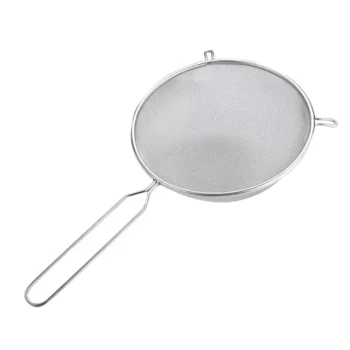
Simply melting the wax without a fine filter is rarely sufficient. Using a mesh that is too coarse will allow fine particulates to pass through, which will eventually clog the wick as the candle burns down.
Monitoring vs. Assumptions
It is a mistake to assume wax is clean just because it looks clear in a solid block. Utilizing a transparent container during the liquid phase is the only way to accurately verify that all debris has been removed.
Making the Right Choice for Your Goal
To produce a high-quality beeswax candle, apply the following principles:
- If your primary focus is functional reliability: Prioritize fine-mesh nylon or polyester straining to prevent debris from interfering with the wick's capillary action.
- If your primary focus is visual presentation: Use transparent vessels during the straining process to ensure the wax is free of unsightly particulates before the final pour.
Systematic filtration is the bridge between raw natural material and a refined, reliable finished product.
Summary Table:
| Process Element | Primary Function | Recommended Material/Method |
|---|---|---|
| Filtration Medium | Removes fine particulates and debris | Nylon or polyester cloth |
| Wick Protection | Secures capillary action and flame stability | Fine-mesh straining |
| Quality Monitoring | Visual verification of wax purity | Transparent collection containers |
| Aesthetic Control | Ensures sediment-free, premium appearance | Systematic liquid-phase filtering |
Elevate Your Apiary Production with HONESTBEE
As a commercial apiary or distributor, the quality of your wax products defines your brand. HONESTBEE provides the professional-grade beekeeping tools, machinery, and filtration equipment necessary to transform raw beeswax into premium-grade candles and consumables.
From industrial-scale honey-filling machines to specialized hive-making hardware, we supply everything the modern commercial beekeeping business needs to scale efficiently. Our comprehensive wholesale portfolio ensures you have access to high-performance equipment that guarantees functional reliability and aesthetic excellence.
Ready to upgrade your production line? Contact HONESTBEE today to discover how our expert solutions can streamline your operations and enhance your product value.
Related Products
- Stainless Steel Triangle Support Honey Strainer and Filters
- Stainless Steel Double Layer Honey Strainer Sieve Filters
- Conical Nylon Honey Strainer Filter Bag for Beekeeping and Honey Filtration
- Nylon Honey Strainer Square Filter Cloth for Honey Filters
- Professional Cone-Shaped Honey Filter with Reinforced Steel Ring
People Also Ask
- Why is stainless steel preferred for honey strainers? Ensure Purity and Durability for Your Honey
- What can I use to strain honey? A Beekeeper's Guide to Choosing the Right Filter
- What is the easiest way to strain honey? A Simple Guide for Hobbyist Beekeepers
- What is the primary function of a honey strainer in beekeeping? Achieve Commercial Purity & Visual Clarity
- Why is straining an essential step in honey processing? Master the Key to Pure, Market-Ready Honey Harvests