Industrial honey processing improves quality by mechanizing precision and stability. Unlike manual methods, this equipment rapidly removes excess moisture and fine impurities at low temperatures, ensuring the honey remains shelf-stable while preserving its delicate enzymes and aromatic profile.
Core Takeaway: Manual processing often struggles with consistency, but industrial equipment guarantees moisture content stays below 18% while removing physical contaminants. This precise control prevents fermentation and meets strict export standards without sacrificing the honey’s nutritional value or flavor through overheating.
The Science of Stability: Moisture Control
One of the greatest risks to honey quality is fermentation, caused by excess water content. Industrial dehydration offers a level of control that manual air-drying or passive settling cannot match.
Preventing Spoilage
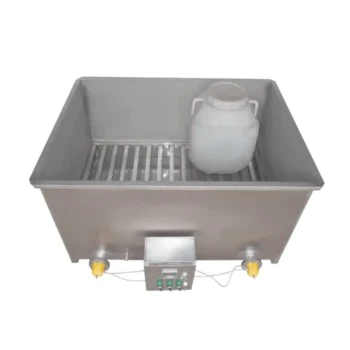
Natural honey often contains moisture levels high enough to trigger yeast fermentation. Industrial dehydration equipment actively reduces this moisture content to below 18 percent.
Speed and Efficiency
This reduction happens rapidly, significantly faster than passive manual methods. By quickly stabilizing the moisture levels, the equipment secures the shelf life of the product immediately after harvest.
Low-Temperature Preservation
Crucially, modern dehydrators operate at relatively low temperatures. This removes water without "cooking" the honey, ensuring that heat-sensitive aromatic components remain intact.
Elevating Purity and Visual Appeal
Manual straining can remove large debris, but it often leaves behind fine particles that affect the honey's clarity and texture.
Multi-Stage Precision Filtration
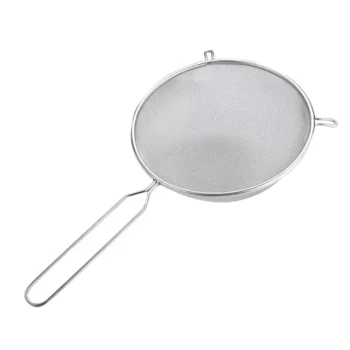
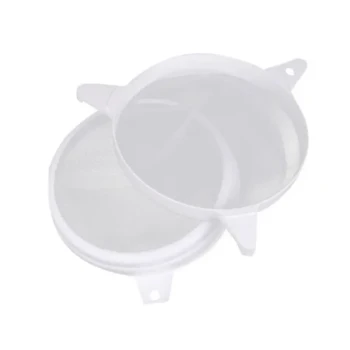
Industrial systems utilize mechanical, multi-stage filtration. These filters capture microscopic impurities such as wax debris, larvae fragments, and pollen clumps that manual sieves often miss.
Enhancing Commercial Grade
The result is a product with high transparency and superior sensory quality. This visual clarity is often a prerequisite for entering high-end retail markets and meeting strict export hygiene standards.
Hygiene and Contamination Control
Manual handling introduces risks of secondary contamination. Automated systems act as a closed loop, minimizing human contact and ensuring the final product meets rigorous hygiene requirements.
Preserving the Chemical Profile
The method of extraction and processing directly impacts the biological value of the honey. Industrial methods are designed to protect the honey's living chemistry.
Protecting Enzymatic Activity
High heat destroys the natural enzymes that make honey valuable. Because industrial equipment is designed for low-temperature operation, it preserves these enzymes alongside the nutritional content.
Centrifugal Extraction vs. Crushing
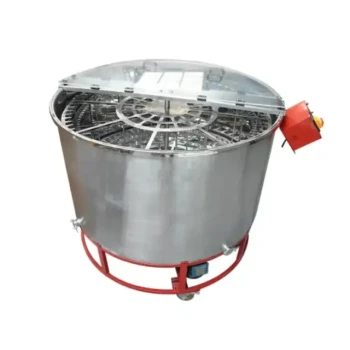
Manual methods often involve crushing the comb, which mixes beeswax and brood fluids into the honey. Industrial extractors use centrifugal force to spin honey out. This yields a purer liquid and protects the beeswax structure for reuse.
Reduced Oxidation
Automated processing minimizes the time honey is exposed to air. This reduction in oxidation helps maintain the original flavor profile and prevents the darkening that can occur with prolonged exposure during manual processing.
Understanding the Trade-offs
While industrial processing offers superior consistency, it requires a strategic approach to implementation.
Capital vs. Labor
The shift to industrial equipment involves significant upfront capital investment compared to low-cost manual tools. However, this is offset by a massive reduction in the physical labor and time required during the busy harvest season.
Balancing Purity with "Raw" Appeal
Standardized filtration increases clarity, which is desired by general consumers. However, producers must ensure they do not over-filter if targeting niche markets that demand high pollen counts, though modern equipment is generally designed to remove "clumps" rather than all pollen.
Making the Right Choice for Your Operation
Moving from manual to industrial processing is a decision based on your market goals and production volume.
- If your primary focus is Export and Retail: You need industrial dehydration to guarantee moisture stays below 18% to prevent fermentation and ensure shelf stability.
- If your primary focus is High-End Quality: You should leverage low-temperature filtration to achieve visual clarity while strictly preserving the enzymatic and aromatic profile.
- If your primary focus is Efficiency: You can utilize centrifugal extractors to maximize yield and minimize product loss compared to manual crushing methods.
Industrial processing transforms honey from a variable raw ingredient into a stable, standardized, and commercially valuable product.
Summary Table:
| Feature | Manual Processing | Industrial Equipment | Benefit of Industrial |
|---|---|---|---|
| Moisture Control | Passive / Inconsistent | Active Dehydration (<18%) | Prevents fermentation & extends shelf life |
| Purity Level | Basic Straining | Multi-stage Precision Filtration | High transparency & removal of micro-impurities |
| Temperature | Variable / High Risk | Controlled Low-Temperature | Preserves delicate enzymes and aroma |
| Extraction | Comb Crushing | Centrifugal Force | Purer honey & reusable wax structures |
| Hygiene | Open / Manual Handling | Closed-loop Automation | Minimizes contamination & meets export standards |
Elevate Your Honey Production with HONESTBEE
Transitioning from manual to industrial processing is the key to scaling your business and meeting global standards. At HONESTBEE, we specialize in supporting commercial apiaries and distributors with a complete wholesale range of beekeeping solutions.
Whether you need precision honey-filling machines, high-efficiency dehydration and filtration systems, or specialized hive-making machinery, our portfolio is designed to maximize your yield while preserving the natural integrity of your honey. We also provide a wide array of essential industry consumables and honey-themed cultural merchandise to help your brand stand out.
Ready to upgrade your operation? Contact us today to discover how our professional equipment can transform your honey into a premium, export-ready product.
References
- I.S. Minniakhmetov, D.V. Shelekhov. DEVELOPMENT OF BEEKEEPING IN BUZDYAK DISTRICT OF THE REPUBLIC OF BASHKORTOSTAN. DOI: 10.31563/1684-7628-2024-70-2-56-61
This article is also based on technical information from HonestBee Knowledge Base .
Related Products
- 0.5T Capacity Honey Dehumidifier Dryer with Vacuum Heating and Thickening Filtering Machine
- Honey Concentrating and Filtering Dehumidifier Machine 2T Capacity for Honey
- High Quality Honey Dehumidifier Dryer Thickening Machine for Beekeeping
- Electric Double Wall Honey Filtering Machine Purifier Equipment for Honey Processing Plant
- Economy Small Scale Honey Dryer Dehumidifier Thickening Machine
People Also Ask
- What is the primary function of professional dehumidification equipment in honey processing? Stability & Quality
- How to dry up honey? The Safe Guide to Stabilizing Honey and Preventing Fermentation
- What is the process for using a dehumidifier to lower honey's moisture content? Expert Drying Techniques
- How to decrease moisture in honey? Prevent Fermentation and Ensure Long-Term Quality
- How to remove humidity from honey? Protect Your Harvest from Fermentation