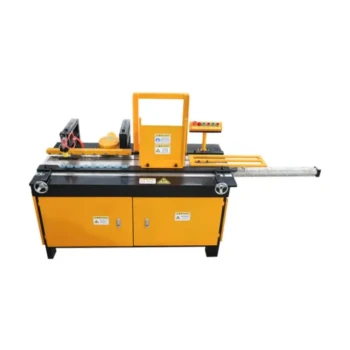
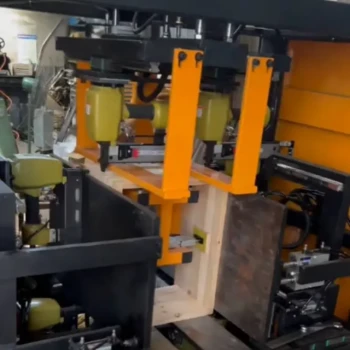
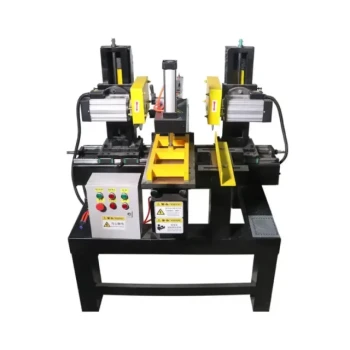
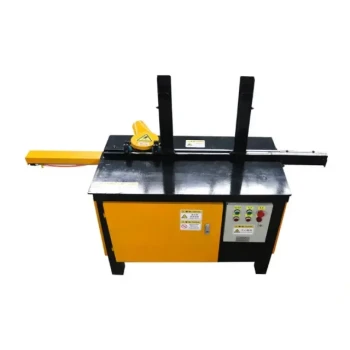
Hive-making machinery is the foundational hardware for achieving operational independence and scalability in modern beekeeping. It enables organizations to internalize the production of high-precision infrastructure, effectively eliminating the volatility and costs associated with external procurement. By transitioning from a consumer of equipment to a producer, an organization secures a self-sufficient supply chain capable of meeting the specific biological requirements of honey bees (Apis mellifera) at scale.
By integrating specialized manufacturing technology, beekeeping organizations create a closed-loop system where infrastructure is standardized, durable, and biologically optimized. This shift reduces reliance on external resources while establishing the precise hardware foundation necessary for large-scale, mechanized colony management.
The Strategic Value of Internal Production
Establishing a Complete Internal Supply Chain
The primary significance of this machinery lies in its ability to create a complete internal supply chain. Instead of relying on third-party vendors, organizations can oversee the entire process from basic construction to the finished product.
This capability reduces the costs associated with external procurement significantly. It allows operations to utilize local materials tailored to specific climates, fostering a circular economy model that minimizes dependence on outside resources.
Standardization and Interchangeability
For large-scale management, standardization is non-negotiable. Specialized machinery guarantees that every hive component creates a precise fit with every other component.
This uniformity ensures the interchangeability of frames and boxes across different production sites. It simplifies maintenance, reduces equipment replacement costs, and provides the necessary hardware infrastructure for subsequent automation, such as mechanized honey harvesting.
Rapid Scalability and Market Response
Mechanized production utilizes high-efficiency cutting technologies that drastically reduce the manufacturing cycle. This lowers the labor cost per unit while increasing overall raw production capacity.
Consequently, practitioners can expand operations quickly to respond to market demand. The machinery transforms a bottleneck—the availability of hives—into a flexible asset that scales with the organization's growth.
The Biological Impact of Precision
Improving Colony Survival and Production
The value of this machinery extends beyond economics to the biological success of the colony. High-precision woodworking equipment ensures that hive structures meet the strict biological requirements of honey bees.
Properly constructed hives improve colony survival rates and honey production efficiency. By ensuring structural stability and thermal consistency, the machinery supports the health of Apis mellifera populations more effectively than inconsistent, hand-made alternatives.
Maintaining Critical "Bee Space"
One of the most critical aspects of hive construction is the maintenance of precise bee space. Specialized machinery ensures dimensions are exact, preventing bees from gluing parts together with propolis or building rogue comb.
This precision is difficult to achieve consistently with manual tools. Automated precision reduces maintenance difficulties for beekeepers and lowers the stress on the colony during inspections and rotations.
Understanding the Trade-offs
Capital Investment vs. Operational Fluidity
While hive-making machinery reduces long-term unit costs, it requires a shift in resource allocation. Organizations must move from operational expenditure (buying hives) to capital expenditure (buying and maintaining machinery).
Precision vs. Flexibility
Standardization creates efficiency, but it also creates rigidity. Once a machine is set for a specific standardized dimension to ensure interchangeability, altering designs to experiment with new hive types becomes a more complex process involving retooling.
Making the Right Choice for Your Goal
To leverage hive-making machinery effectively, align the technology with your specific organizational objectives:
- If your primary focus is Scalability: Prioritize machinery that offers the highest degree of standardization to ensure seamless equipment interchangeability across millions of colonies.
- If your primary focus is Cost Reduction: Focus on equipment that allows for the processing of local, raw materials to minimize procurement and logistics expenses.
- If your primary focus is Colony Health: Select high-precision machinery capable of holding the tightest tolerances to maintain exact bee space and reduce colony stress.
True self-sufficiency in beekeeping is not just about owning bees; it is about owning the means to house them efficiently, precisely, and sustainably.
Summary Table:
| Strategic Factor | Key Significance | Organizational Impact |
|---|---|---|
| Supply Chain | Internalizes production of hardware | Eliminates external procurement volatility and costs |
| Standardization | Guarantees interchangeability of parts | Simplifies maintenance and enables large-scale automation |
| Scalability | High-efficiency manufacturing cycles | Allows rapid expansion to meet growing market demand |
| Bee Biology | Maintains precise "bee space" | Improves colony survival rates and honey production |
| Economics | Shifts Opex to CapEx | Reduces long-term unit costs and utilizes local materials |
Secure Your Operational Independence with HONESTBEE
Transition from an equipment consumer to a self-sufficient producer. HONESTBEE empowers commercial apiaries and distributors with the high-precision hive-making machinery and honey-filling equipment needed to build a resilient, internal supply chain.
Our comprehensive wholesale portfolio covers everything from specialized hardware to essential consumables, ensuring your infrastructure meets the exact biological requirements of your colonies. Contact us today to discover how our machinery and beekeeping tools can enhance your scalability and drive your organization's long-term success.
References
- Dairo Burgos-Cañas, Dora Esther Fonseca Pinto. Fortalecimiento empresarial en asociaciones apícolas: estudio de caso Asociación “Panaldemiel” del municipio de Fortul-Arauca. DOI: 10.31910/rudca.v25.n1.2022.2203
This article is also based on technical information from HonestBee Knowledge Base .
Related Products
- High-Efficiency Pneumatic Bee Hive Making Machine for Rapid Box Assembly
- Beehive Handle and Frame Rest Cutting Machine: Your Specialized Hive Machine
- Mini Desktop Bee Hive Frame Forming Making Machine
- Automatic High-Speed Bee Hive Box Stapling Machine
- Beehive Machine Double End Saw for Precision Hive Component Manufacturing
People Also Ask
- How does the introduction of professional beehive-making machinery benefit sustainable beekeeping? Scale Your Apiary
- Why is specialized beehive-making machinery critical for low-defense breeding? Enhance Selection with Precision Tools
- How does the introduction of specialized beehive making machinery contribute to increasing the scale of regional beekeeping industries?
- What is the importance of specialized beehive making machinery in a circular bio-economy? Build Local Sustainability
- Why is specialized beehive-making machinery essential? Scale Your Apiary with Precision Industrial Standards