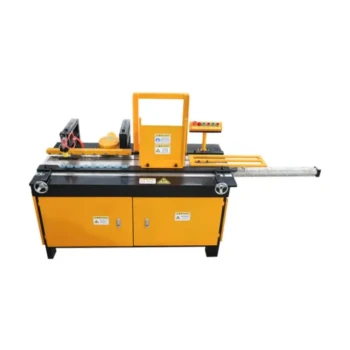
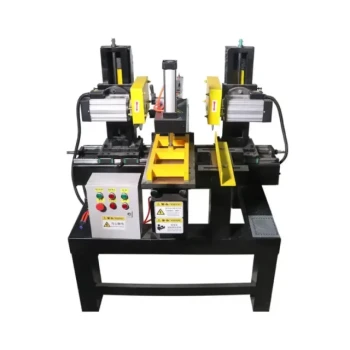
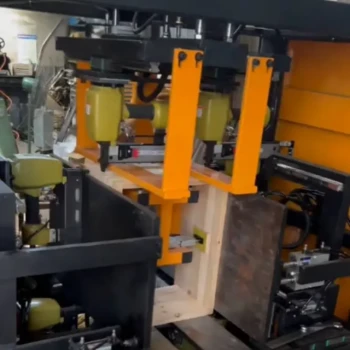
Hive-making machines are the fundamental manufacturing assets behind modern, large-scale apiculture. They are significant because they automate the production of standardized wooden hive components with extreme dimensional precision and high weather resistance, allowing producers to rapidly replace damaged infrastructure and expand operations without scalability bottlenecks.
The core value of hive-making machinery is not just speed, but the establishment of hardware standardization. By ensuring every hive component is identical, these machines create the predictable infrastructure necessary to transition honey production from an artisanal practice to a globally competitive industry.
The Role of Standardization in Industrial Scaling
Precision and Interchangeability
The primary significance of these machines lies in their ability to produce wooden components with exact dimensions. In a large forest operation, beekeepers must be able to swap frames, supers, and covers between different hives instantly.
Facilitating Mechanized Harvesting
Industrial hive-making machines ensure that every hive fits specific geometric standards. This uniformity is a prerequisite for using advanced, mechanized honey harvesting tools, which rely on predictable hive structures to operate efficiently without damaging the colony.
Managing Diverse Floral Regions
Standardized equipment allows for the seamless management of extensive bee populations across different geographic areas. Whether in a Manuka forest or a wildflower meadow, the hardware remains consistent, simplifying logistics and training for apiary staff.
Ensuring Operational Continuity and Expansion
Rapid Expansion Capabilities
To scale up honey production, apiaries need to deploy thousands of new colonies quickly. Hive-making machines remove the manufacturing bottleneck, allowing for the mass production of housing required to support rapid growth in colony counts.
Weather Resistance and Durability
These machines are engineered to produce components that withstand harsh outdoor elements. By ensuring tight joints and consistent material processing, the resulting hives offer superior weather resistance, which protects the colony and extends the lifespan of the capital equipment.
Timely Infrastructure Replacement
Damaged hives are a major liability in large-scale operations. Automated machinery ensures that replacement parts are always available and fit perfectly, minimizing downtime and maintaining a stable environment for the bees.
Impact on Honey Quality and Marketability
Controlling Forage and Pollen
Machine-produced hives are uniform and well-sealed, which aids beekeepers in precise forage management. By controlling the hive environment, producers can better manage flowering periods and reduce the mixing of non-target pollens.
Preserving Bioactivity
The structural integrity provided by standardized hives supports the production of high-value honeys. Maintaining specific floral sources is essential for preserving the antioxidant and anti-inflammatory benefits associated with premium varieties like Manuka or Tualang.
Meeting International Standards
Global export markets demand consistent product output. By standardizing the production front end—the hive itself—producers can guarantee a stable output volume and quality, satisfying the rigorous demands of international trade.
Common Pitfalls to Avoid
Over-Reliance on Hardware Alone
While machines provide the necessary infrastructure, they cannot replace biological expertise. Data indicates that while efficient management technology boosts yield, it must be paired with biological management (like pest control) to ensure systemic resilience against issues like Colony Collapse Disorder.
Ignoring Material Inputs
The machine is only as good as the wood it processes. Even with high-precision machining, failing to source quality lumber can compromise the weather resistance and durability that the machine is designed to deliver.
Making the Right Choice for Your Goal
To leverage hive-making technology effectively, align your machinery choice with your specific operational focus.
- If your primary focus is Rapid Expansion: Prioritize machines with high throughput capabilities to match the growth rate of your colony counts.
- If your primary focus is Premium Export Quality: Focus on machines that guarantee superior sealing and structural precision to strictly control floral sourcing and pollen purity.
- If your primary focus is Operational Efficiency: Ensure your hive-making specifications align perfectly with your existing mechanized harvesting and extraction equipment to eliminate friction.
Standardization is the bridge between managing a colony and managing an industry.
Summary Table:
| Feature | Significance for Large-Scale Apiculture | Operational Impact |
|---|---|---|
| Hardware Standardization | Ensures all frames and supers are interchangeable. | Facilitates mechanized harvesting and seamless logistics. |
| High-Throughput Production | Removes bottlenecks in infrastructure manufacturing. | Enables rapid expansion of colony counts and hive replacement. |
| Dimensional Precision | Produces airtight, weather-resistant hive components. | Protects colony health and preserves honey bioactivity/purity. |
| Structural Durability | Extends the lifespan of capital equipment in harsh climates. | Reduces long-term maintenance costs and operational downtime. |
Elevate Your Commercial Apiary with HONESTBEE
At HONESTBEE, we understand that global honey market leadership requires more than just bees—it requires industrial-grade precision. As a premier partner for commercial apiaries and distributors, we provide a comprehensive wholesale ecosystem designed to scale your operations efficiently.
Our Value to You:
- Advanced Machinery: From high-precision hive-making machines to automated honey-filling lines, we supply the hardware that sets industry standards.
- Total Equipment Solutions: Access a full spectrum of beekeeping tools, specialized machinery, and essential industry consumables.
- Global Export Readiness: Our standardized equipment ensures your production meets the rigorous quality demands of international trade.
Whether you are expanding your forest operations or optimizing a distribution network, HONESTBEE delivers the tools you need to succeed.
Contact us today to explore our wholesale offerings and machinery solutions!
References
- Didik B. Purwanto, Muhamad Sahlan. CURRENT STATUS OF APIS MELLIFERA BEEKEEPING IN SUMATRA: TOWARD THE DEVELOPMENT OF INDONESIA'S HONEY INDUSTRY. DOI: 10.46799/ijssr.v5i2.1196
This article is also based on technical information from HonestBee Knowledge Base .
Related Products
- High-Efficiency Pneumatic Bee Hive Making Machine for Rapid Box Assembly
- Mini Desktop Bee Hive Frame Forming Making Machine
- Beehive Handle and Frame Rest Cutting Machine: Your Specialized Hive Machine
- Beehive Machine Double End Saw for Precision Hive Component Manufacturing
- Automatic High-Speed Bee Hive Box Stapling Machine
People Also Ask
- How does the introduction of professional beehive-making machinery benefit sustainable beekeeping? Scale Your Apiary
- Why is specialized beehive-making machinery critical for low-defense breeding? Enhance Selection with Precision Tools
- How does the introduction of specialized beehive making machinery contribute to increasing the scale of regional beekeeping industries?
- What is the importance of specialized beehive making machinery in a circular bio-economy? Build Local Sustainability
- Why is specialized beehive-making machinery essential? Scale Your Apiary with Precision Industrial Standards