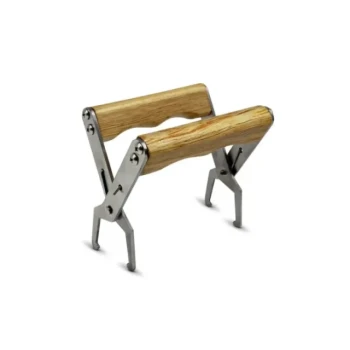
Precision Treatment and Diagnosis Tools act as the critical defense system for honey bee colonies, bridging the gap between biological survival and commercial viability. Their significance lies in their ability to apply antibiotics and pest treatments with scientific accuracy, ensuring that dosages are exact and timing is synchronized to maximize efficacy without harming the hive.
By eliminating guesswork in pest management, these tools prevent colony collapse while simultaneously ensuring that honey and other bee products remain free of chemical residues, securing their place in a competitive, safety-conscious market.
The Mechanics of Colony Preservation
Combatting Pests and Population Decline
The primary threat to colony yield is the physical loss of the bees themselves. Precision tools are essential for managing aggressive pests, specifically mites, which are a leading cause of colony collapse.
By utilizing diagnostic equipment, beekeepers can identify infestation levels early. This allows for targeted intervention that halts population decline before it becomes irreversible.
The Importance of Exact Dosages
Effective treatment is not just about using the right chemical; it is about using the correct dosage. Precision tools ensure that antibiotics and acaricides are administered strictly according to scientific guidelines.
This prevents the twin dangers of under-dosing, which allows disease to fester, and over-dosing, which can damage the colony's health.
Synchronized Treatment Timing
Biology relies on rhythm. Precision tools allow beekeepers to apply treatments at the exact moment they will be most effective, known as synchronized timing.
Aligning treatment with the lifecycle of pests and the bees ensures maximum impact with minimum disruption to the hive's natural productivity.
Ensuring Product Purity and Market Viability
Eliminating Chemical Residues
High yield is worthless if the product is unsellable. A major significance of precision tools is their role in preventing chemical residue contamination in bee products.
When treatments are applied haphazardly, residues linger in wax and honey. Precision application mitigates this risk, ensuring the final product remains pure.
Meeting Food Safety Standards
The global market demands rigorous adherence to food safety standards. Products containing trace antibiotics or pesticides are frequently rejected or devalued.
Using precision tools allows producers to certify that their goods meet these strict safety criteria, maintaining the product's competitiveness in the market.
Understanding the Trade-offs
The Cost of Precision vs. The Cost of Failure
While precision tools may require a higher initial investment in equipment or training compared to traditional methods, the trade-off is strictly economic. The cost of "imprecise" treatment is often the total loss of the colony or a rejected harvest.
Complexity of Management
Adopting these tools shifts beekeeping from a passive activity to a data-driven discipline. It requires the beekeeper to constantly monitor diagnostics rather than relying on a calendar-based, "set it and forget it" treatment schedule.
Making the Right Choice for Your Goal
- If your primary focus is Colony Survival: Prioritize diagnostic tools that detect mite levels early to synchronize treatment before the population begins to decline.
- If your primary focus is Commercial Sales: Focus on precision application equipment that guarantees exact antibiotic dosages to ensure your product meets zero-residue food safety standards.
Precision is not merely a luxury in modern beekeeping; it is the standard required to maintain a sustainable and profitable apiary.
Summary Table:
| Key Feature | Significance | Impact on Yield & Health |
|---|---|---|
| Diagnostic Monitoring | Early detection of mites and disease | Prevents colony collapse and population decline |
| Exact Dosage Control | Prevents under/over-dosing chemicals | Protects bee health while effectively killing pests |
| Synchronized Timing | Matches treatment to biological cycles | Maximizes efficacy with minimal hive disruption |
| Residue Mitigation | Prevents chemical contamination | Ensures product purity and high market value |
| Safety Compliance | Meets global food safety standards | Secures commercial viability for distributors |
Secure Your Apiary’s Future with HONESTBEE
At HONESTBEE, we understand that for commercial apiaries and distributors, precision is the difference between profit and loss. We provide a comprehensive wholesale range of professional beekeeping tools, specialized machinery, and essential consumables designed to meet the highest industry standards.
Whether you need advanced hive-making equipment, high-efficiency honey-filling machines, or precision diagnostic tools to safeguard your colonies, our portfolio is built to enhance your operational efficiency and product purity.
Ready to elevate your beekeeping business? Contact us today to explore our wholesale solutions and see how HONESTBEE can help you deliver superior bee products to a global market.
References
- Nermin BAHSI, Dilek Bostan Budak. CAUSES OF LOW YIELD IN BEE PRODUCTS IN OSMANIYE, TURKEY. DOI: 10.21474/ijar01/178
This article is also based on technical information from HonestBee Knowledge Base .
Related Products
- HONESTBEE Professional Long Handled Hive Tool with Precision Cutting Blade
- Digital Honey Refractometer for Precision Measurement of Optimal Honey Quality
- Precision Honey Refractometer Instrument for Quality Assessment
- Precision Stainless Steel Frame Cleaner for Hive Grooves and Corners
- Professional Stainless Steel Pry-Bar Hive Tool
People Also Ask
- Why are professional hive tools considered indispensable? Master Beekeeping Maintenance with Precision Leverage
- What is the role of professional hive tools in routine apiary maintenance? Expert Tips for Hive Health and Longevity
- What is a bee hive tool? Discover Why It’s the Most Essential Hand Tool for Every Beekeeper
- How do hive tools and queen rearing equipment facilitate the bee colony splitting process? Restore Your Apiary Faster
- Why are professional hive tools & observation equipment necessary for queen rearing evaluation? Master Your Quality