Regular hive and frame maintenance is the bedrock of operational continuity and financial sustainability in large-scale apiary management. By systematically repairing wooden structures, replacing aged frames, and utilizing standardized components, beekeepers preserve the structural integrity of their assets, optimize the biological environment for colony development, and prevent the costly loss of honey production due to equipment failure or disease.
Core Takeaway: For large-scale operations, regular maintenance transforms beekeeping equipment from a depreciating expense into a high-value asset, ensuring long-term profitability by maximizing equipment lifespan and minimizing colony health risks through standardized, preventative care.
Protecting Capital Investment and Asset Longevity
Extending Infrastructure Lifespan through Material Care
Professional maintenance using specialized materials protects hives against environmental stressors like moisture, decay, and pests. This proactive approach prevents the premature degradation of wooden and composite structures, significantly extending the usable life of the infrastructure.
Optimizing Net Present Value (NPV)
By avoiding the high capital expenditures associated with frequent, large-scale equipment replacement, apiaries can maintain a positive Net Present Value (NPV) over decades. Consistent maintenance schedules ensure that the initial investment in high-quality hives continues to yield returns without emergency reinvestment.
Minimizing Secondary Losses
Standardized equipment allows for airtightness and rapid response during environmental threats, such as nearby chemical pesticide applications. Well-maintained hives can be quickly sealed or relocated, providing adequate ventilation and temperature control to minimize secondary colony losses during isolation.
Enhancing Operational Efficiency and Standardization
The Power of Component Interchangeability
Standardized beehives are essential for large-scale operations because they allow for the total interchangeability of components. This uniformity is critical for efficient mechanization, enabling rapid hive expansion, streamlined honey harvesting, and simplified inventory management.
Precision Tools for Component Protection
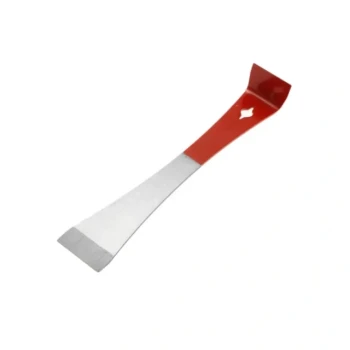
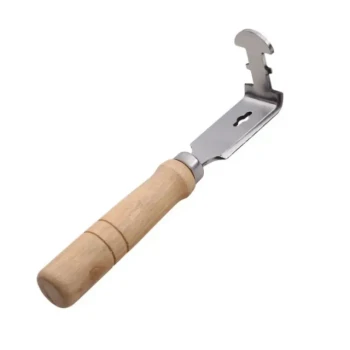
The use of high-hardness metal hive tools and leverage principles allows operators to separate components sealed with propolis without damaging the wood. Professional-grade tools ensure that inspections are performed quickly and precisely, maintaining the structural tight-fit necessary for hive security.
Streamlining Large-Scale Inspections
Maintaining a standardized fleet of equipment reduces the time required for routine colony inspections. When every frame and super fits perfectly across the entire apiary, labor costs are reduced, and the speed of order fulfillment for honey or pollination services increases.
Ensuring Biosecurity and Production Continuity
Disease Prevention and Pest Deterrence
Regular cleaning and the removal of debris or dead bees are vital for reducing the spread of infections within a colony. These practices also deter invasive pests such as wax moths and small hive beetles, which can quickly compromise the structural safety of an unmaintained hive.
Hygiene and Protective Gear Maintenance
Maintenance extends beyond the hive to the beekeeper's clothing, which can accumulate venom, pheromones, and pathogens. Clean gear prevents the agitation of bees during inspections and serves as a critical barrier against the cross-contamination of diseases between different apiary sites.
Preventing Absconding and Robbing Behaviors
Degraded equipment often leads to gaps that invite "robbing" from other colonies or cause the resident colony to abscond. Maintaining a secure, well-repaired environment ensures the continuity of honey production by keeping the colony stable and focused on foraging rather than defense.
Understanding the Trade-offs and Pitfalls
The Cost of Deferred Maintenance
Delaying small repairs often leads to exponential costs; a minor crack can lead to rot that destroys an entire hive body within a single season. While maintenance requires immediate labor and material costs, the "savings" of ignoring it are quickly erased by the cost of colony loss and equipment replacement.
Risks of Non-Standardized Components
Mixing non-standardized parts into a large-scale operation creates significant bottlenecks during peak harvest times. Parts that do not fit perfectly compromise the airtightness and structural safety of the hive, making them harder to protect during pesticide alerts or extreme weather.
Over-Maintenance and Colony Stress
While maintenance is essential, excessive intervention can stress a colony and disrupt its natural cycle. The goal is "targeted maintenance"—fixing structural issues and ensuring hygiene without causing unnecessary hive openings that can lower production yields.
How to Leverage Maintenance for Business Growth
Distributors and resellers can secure their position as industry leaders by providing a comprehensive ecosystem of maintenance solutions. By focusing on high-quality, standardized components and rapid fulfillment, you empower your clients to manage their apiaries with professional precision.
- If your primary focus is maximizing client ROI: Offer a full-spectrum portfolio of maintenance materials and standardized replacement frames to ensure their infrastructure lasts for decades.
- If your primary focus is operational speed: Stock high-hardness hive tools and standardized hive bodies that guarantee component interchangeability for rapid, large-scale inspections.
- If your primary focus is biosecurity and safety: Provide premium protective gear and cleaning solutions that prevent disease spread and ensure a safe working environment for apiary staff.
Mastering the cycle of regular maintenance is the ultimate strategy for transforming a collection of hives into a resilient, high-yield honey production enterprise.
Summary Table:
| Maintenance Focus | Key Benefit | Operational Impact |
|---|---|---|
| Structural Care | Extends Infrastructure Lifespan | Protects capital investment and NPV |
| Standardization | Component Interchangeability | Streamlines harvesting and mechanization |
| Biosecurity | Pest & Disease Prevention | Reduces colony loss and cross-contamination |
| Precision Tooling | Damage-Free Inspections | Maintains hive integrity and airtightness |
| Proactive Repair | Risk Mitigation | Prevents robbing, absconding, and rot |
Scale Your Success with HONESTBEE’s B2B Solutions
Maximize your profit margins and ensure supply reliability by partnering with HONESTBEE. We provide a comprehensive one-stop sourcing experience for distributors and commercial apiaries, offering a full-spectrum portfolio that includes:
- Precision Machinery: Advanced hive-making and honey-filling machines for industrial efficiency.
- Standardized Equipment: A complete range of beekeeping tools and interchangeable hive components.
- Essential Consumables: High-quality industry consumables and honey-themed cultural merchandise.
Leverage our deep professional expertise, rapid response times, and ultra-fast delivery to optimize your order fulfillment. Empower your clients with premium equipment built for longevity.
Contact our B2B team today to access our wholesale catalog!
References
- Mercedes Borja Bravo, Sergio Arellano‐Arciniega. Características de los tipos de apicultores en Chihuahua, México. DOI: 10.22319/rmcp.v16i1.6543
This article is also based on technical information from HonestBee Knowledge Base .
Related Products
- Wooden Bee Hive Frames for Beekeeping and Wholesale
- Professional Galvanized Steel Frame Rest for Beehives
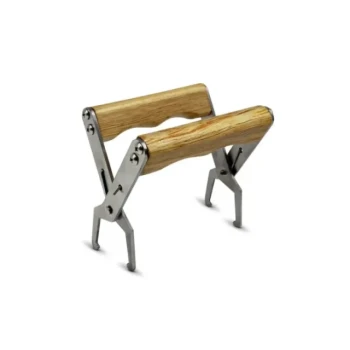
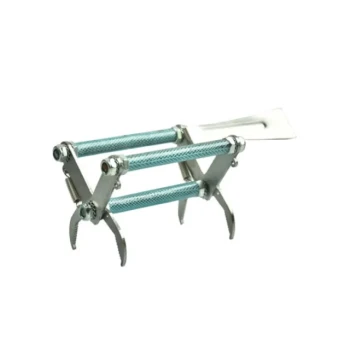
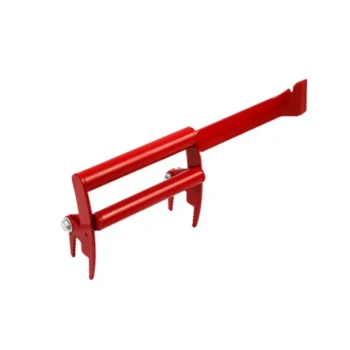
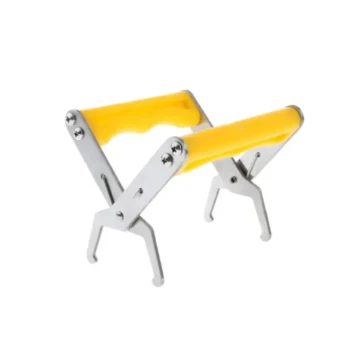
- Multi-Function Plier-Style Frame Grip Hive Tool
- Ergonomic Plastic Frame Spacer Tool for Rapid Hive Management Beekeeping
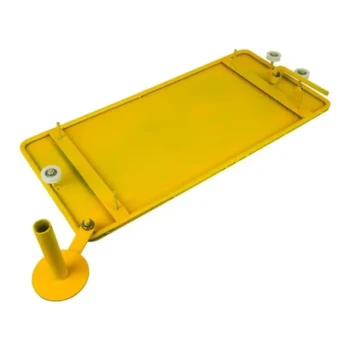
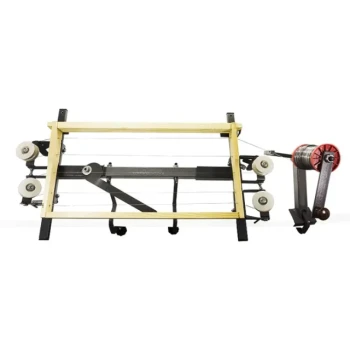
- HONESTBEE Professional Frame Wiring Board and Jig
People Also Ask
- How does balancing the number of frames impact hive productivity? Optimize Your Apiary's Biological Output
- How do wooden and plastic hive frames compare in terms of durability? Wood vs. Plastic Longevity & Repairability
- What are the main considerations when choosing between wooden and plastic bee hive frames? Optimize Your Apiary's Efficiency
- How should beehive frames be maintained to prolong their lifespan? 5 Pro Tips for Durable Beekeeping Equipment
- What is the primary function of frames within a beehive system? Structural Foundation and Hive Management