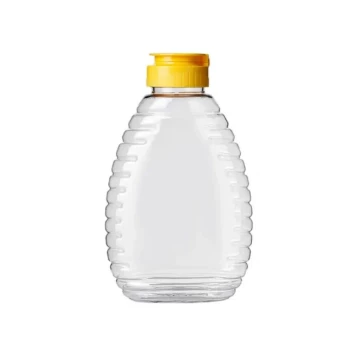
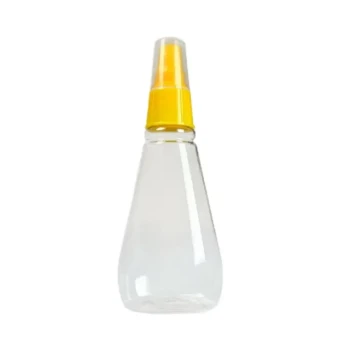
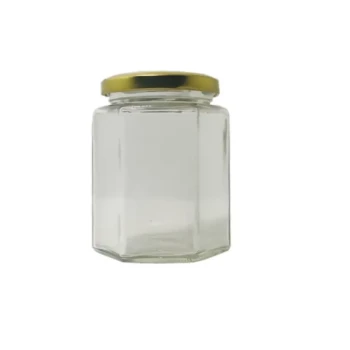
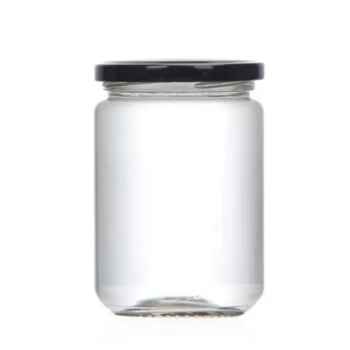
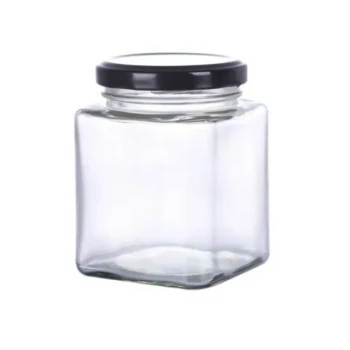
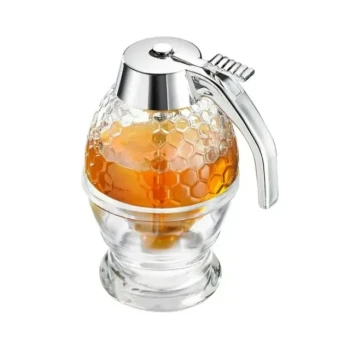
The use of food-grade plastic packaging acts as a critical barrier system designed to preserve the chemical stability and biological activity of honey. By creating a sealed environment, these containers prevent moisture absorption—the primary catalyst for fermentation—while simultaneously ensuring the product remains lightweight for efficient distribution and long-term storage.
The core value of food-grade plastic lies in its ability to hermetically seal honey against humidity and odors without adding significant weight. This preserves the honey's natural enzymes and prevents fermentation, solving the dual challenge of quality preservation and logistical efficiency.
Preserving Chemical and Biological Integrity
Preventing Moisture Absorption
Honey is naturally hygroscopic, meaning it actively attracts moisture from the surrounding air. If the water content in honey rises, it becomes susceptible to yeast growth and fermentation.
Food-grade plastic containers provide the necessary airtight seal to effectively isolate honey from ambient humidity. This barrier is the primary defense against spoilage, ensuring the product does not ferment during storage.
Maintaining Enzyme Activity
Honey is a biologically active product containing natural enzymes that define its nutritional value. Exposure to adverse environmental conditions can degrade these compounds.
Specialized food-grade packaging stabilizes the internal environment of the container. This preserves the natural enzyme activity and the distinct flavor profile of the honey over long periods.
Blocking External Odors
Honey can easily absorb strong odors from its environment, which ruins its flavor.
Food-grade plastic offers superior barrier properties that isolate the honey from external scents. This ensures that the honey tastes exactly as intended when it reaches the consumer, regardless of where it was stored.
Logistical and Structural Advantages
Reduced Weight for Distribution
One of the most significant advantages of plastic over alternative materials like glass is its low density.
Lightweight packaging significantly facilitates distribution. It lowers shipping costs and makes handling easier for both logistics providers and end consumers.
Durability and Safety
Unlike glass, plastic provides flexibility and resistance to impact.
This durability makes food-grade plastic less prone to breaking during shipment or daily use. This is particularly vital for bulk transport or for products intended for households with children (e.g., honey bear bottles).
Marketability and Brand Trust
Enhancing Visual Appeal
Modern food-grade plastics offer high transparency, allowing consumers to clearly observe the product.
Being able to see the color and crystallization state of the honey builds consumer trust. This visibility acts as a key driver for market competitiveness in retail environments.
Hygiene and Standardization
Using standardized food-grade containers (such as 2.5-liter industrial buckets) signals professionalism and safety.
This contrasts sharply with the use of recycled beverage bottles, which raise hygiene concerns. Standardized packaging assures the consumer that the product is safe, hygienic, and free from oxidation or external contamination.
Understanding the Trade-offs
Durability vs. Rigidity
While plastic offers superior impact resistance, it behaves differently than glass under pressure.
Plastic is flexible, which is excellent for squeeze bottles (like honey bears) and prevents shattering. However, for extremely long-term archival storage where absolute rigidity is required, the flexibility of plastic must be weighed against the inert nature of glass.
Making the Right Choice for Your Goal
Depending on your distribution model and target market, the specific type of food-grade packaging you choose will vary.
- If your primary focus is Logistics and Safety: Prioritize lightweight, durable plastic jugs or buckets to minimize breakage risks and reduce shipping costs during distribution.
- If your primary focus is Retail and Consumer Trust: Select high-transparency plastic jars that allow customers to visually verify the honey's color and crystallization quality.
- If your primary focus is Convenience and Single-Use: Utilize plastic pouches, tubes, or "honey sticks" to serve on-the-go consumers or food service establishments.
Ultimately, selecting food-grade plastic ensures you are prioritizing the biological stability of the honey while optimizing the safety and efficiency of your supply chain.
Summary Table:
| Feature | Benefit for Honey Packaging | Primary Advantage |
|---|---|---|
| Hygroscopic Barrier | Prevents moisture absorption | Stops fermentation and spoilage |
| Airtight Seal | Blocks external odors and contaminants | Maintains original flavor profile |
| Lightweight Material | Reduces density compared to glass | Lowers shipping costs & improves handling |
| Impact Resistance | Durable and flexible construction | Minimizes breakage during bulk distribution |
| High Transparency | Visual clarity of color and texture | Builds consumer trust and market appeal |
Elevate Your Honey Distribution with HONESTBEE
At HONESTBEE, we understand that the right packaging is just as critical as the honey itself. We cater to commercial apiaries and distributors with a comprehensive wholesale offering designed to protect your product's integrity while maximizing profit margins.
Our portfolio includes everything from food-grade honey jars and squeeze bottles to high-capacity honey-filling machines and specialized hive-making hardware. Whether you need essential industry consumables or advanced machinery, we provide the tools to scale your operations efficiently.
Ready to optimize your supply chain and preserve your honey's biological value?
Contact HONESTBEE Today to explore our wholesale equipment and packaging solutions.
References
- Ramesh Kumar, Raj Kumar Thakur. Indigenous Beekeeping In The Sirmaur District Of Himachal Pradesh, India. DOI: 10.1080/0005772x.2014.11417584
This article is also based on technical information from HonestBee Knowledge Base .
Related Products
- Food Grade Plastic Honey Bucket Pail for Beekeeping
- Classic Beehive Honey Bottle Jar with Squeeze Dispenser Lid
- Plastic Honey Gate Spout with Wing Nut for Beekeeping Honey Bucket
- Hexagonal Squeeze Honey Bottle with No Drip Lid
- Squeezable No-Drip Beehive-Shaped Honey Jars with Flip-Top Cap
People Also Ask
- What key operational precautions should be taken when using honey buckets and extractors fitted with bottom drain taps?
- What functions do food-grade honey buckets perform? Safeguard Your Harvest and Optimize Apiary Logistics
- Why are food-grade plastic buckets preferred for honey? Protect Quality with Modern Honey Collection Tools
- What is the significance of food-grade plastic honey collection buckets? Boost Quality in Forest Honey Logistics
- What is a honey pail? The Essential Container for Protecting Your Honey's Value