Wax cups serve as the biological bridge between the beekeeper’s intervention and the colony’s natural instincts. In the larval grafting method, these cups function as foundational, artificial containers designed to mimic the natural structure of queen cells, holding transferred worker larvae to initiate the queen rearing process.
Core Takeaway The success of artificial queen rearing relies entirely on the colony's willingness to accept grafted larvae. Wax cups provide the essential structural mimicry required to induce nurse bees to secrete royal jelly, effectively converting a standard worker larva into a queen within a standardized, scalable system.
The Role of Biological Mimicry
Simulating Natural Architecture
Honeybees are biologically programmed to construct specific cell shapes during swarming or supersedure events. Wax cups are engineered to replicate the natural queen cell base. This structural familiarity is the primary mechanism that "tricks" the colony into recognizing the artificial cup as a legitimate site for queen development.
Inducing Royal Jelly Secretion
The shape and material of the cup serve as a signal to nurse bees. Once a larva is grafted into the wax cup, the physical environment induces the bees to accept the new occupant. This acceptance triggers the immediate secretion of royal jelly, the nutrition source required to switch the larva's developmental path from worker to queen.
Influencing Acceptance Rates
The primary reference notes that the quality and material of these cups directly influence success. If the cup does not sufficiently mimic the natural environment, the bees will reject the graft, cleaning out the larvae instead of feeding them.
Enabling Scalability and Standardization
Creating a Modular Interface
Wax cups transform queen rearing from a haphazard natural occurrence into a controlled production cycle. They act as a standardized consumable that attaches to grafting frames. This interface allows beekeepers to manage dozens of developing queens simultaneously in a single modular system.
Supporting Precision Transfer
The wax cup complements the use of high-precision tools like the grafting needle. The cup provides a stable target for depositing fragile, two-day-old larvae. By providing a consistent repository for the larvae and a small amount of native royal jelly, the cup ensures the delicate transfer process leads to a viable queen cell.
Understanding the Trade-offs
Wax vs. Plastic Consumables
While the primary focus is on wax, beekeepers often must choose between traditional wax and modern plastic alternatives. It is vital to understand the distinction.
The Advantage of Wax
Wax cups offer the highest level of natural integration. Because they are made of the same material the bees produce, they often yield high acceptance rates for beekeepers prioritizing biological compatibility. However, they are generally single-use or require significant processing to reuse.
The Advantage of Plastic
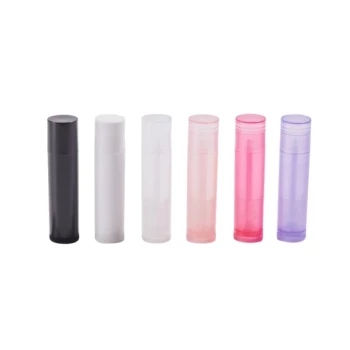
As noted in the supplementary data, plastic cups offer consistency and durability. They provide a uniform environment that never varies in shape or size. They are reusable, easy to clean, and often colored to make identifying and handling the cells easier during harvest. However, they lack the natural pheromonal and textural familiarity of pure wax.
Making the Right Choice for Your Goal
The choice of cup material and quality dictates the efficiency of your operation.
- If your primary focus is Maximum Acceptance: Prioritize high-quality wax cups, as their natural material and structure offer the strongest biological signal to nurse bees.
- If your primary focus is Workflow Efficiency: Consider plastic cups, which provide durability, reusability, and easier identification for large-scale management.
Ultimately, the wax cup is not just a container; it is the essential hardware that aligns human agricultural goals with honeybee biology.
Summary Table:
| Feature | Wax Cups | Plastic Cups |
|---|---|---|
| Material Basis | Natural beeswax (Biological mimicry) | Food-grade polymer (Synthetic) |
| Acceptance Rate | High (Highest natural integration) | Moderate to High (Requires cleaning) |
| Reusability | Low (Single-use or complex processing) | High (Durable and easy to clean) |
| Best Used For | Maximizing biological compatibility | Scalable workflow efficiency |
| Functional Role | Triggers royal jelly secretion | Provides modular cell standardization |
Elevate Your Queen Rearing Success with HONESTBEE
At HONESTBEE, we specialize in empowering commercial apiaries and distributors with the high-precision equipment needed for successful queen production. From professional-grade grafting tools and durable cell cups to advanced honey-filling and hive-making machinery, we provide a comprehensive wholesale catalog designed for scale.
Whether you are looking for biological consumables or industrial beekeeping hardware, our team is dedicated to supporting your growth. Contact us today to discuss our wholesale offerings and discover how HONESTBEE can optimize your beekeeping operation!
References
- Rabeea F. Omar, H Salam. Effect of thermal insulation and feeding treatments on early spring honey bee queen rearing. DOI: 10.21608/assjm.2016.104126
This article is also based on technical information from HonestBee Knowledge Base .
Related Products
- High-Efficiency 20-Cell Silicone Mold for Beeswax Bee Queen Cup Production
- Professional Honey Uncapping Roller for Efficient Harvesting
- JZBZ Type Wide Base Plastic Queen Cell Cups for Base Mounting and Queen Rearing
- Clear Black Plain Polystyrene Queen Bee Grafting Cell Cups No Lug for Bee Queen Cup
- Brown Nicot Queen Cell Cups for Breeding Queen Bees Beekeeping
People Also Ask
- What is the first tip for pouring beeswax into a silicone mold? Ensure a Perfect Release
- What are the technical advantages of using precision silicone molds for the manufacturing of beeswax queen cups? - Scale
- How do beeswax queen cell cups function? Optimize Queen Rearing with Biological Mimicry
- What is the biological function of beeswax queen cell cups? Boost Acceptance in Artificial Queen Rearing
- What are the advantages of using tapered wooden dowels for queen cups? Boost Rearing Consistency & Acceptance