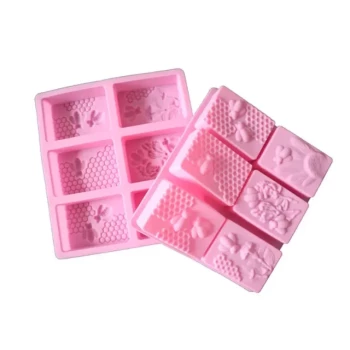
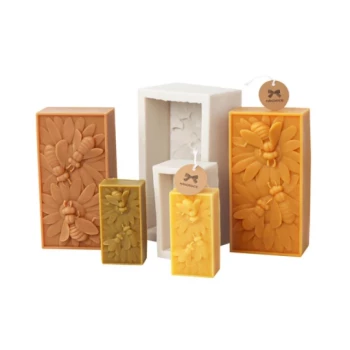
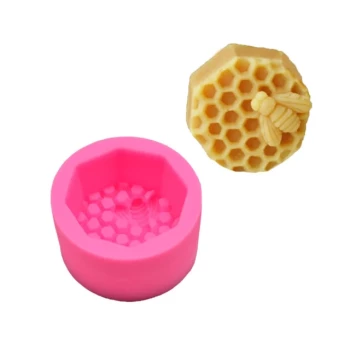
A beeswax Casting Mold serves a foundational purpose in modern beekeeping: it is the specific tool used to process pure beeswax into standardized foundation sheets imprinted with hexagonal cell patterns. By converting raw wax into these structured templates, the mold ensures that honeybees build their combs within the frames of an Improved Box Hive according to a precise, manageable design.
The Casting Mold is the critical link between raw material and hive management. It produces the structural guides that force bees to build neat, uniform combs, thereby unlocking the ability to inspect, exchange, and manage colonies efficiently.
Creating the Architectural Standard
Processing Raw Material
The primary function of the Casting Mold is mechanical transformation. It takes pure beeswax and shapes it into thin, uniform sheets that fit the specific dimensions of the hive frames.
Imprinting the Guide
Beyond simple shaping, the mold presses a specific hexagonal pattern onto the wax sheet. This pattern mimics the natural geometry of hive cells, providing a "blueprint" for the bees to follow.
Directing Comb Construction
When these molded foundations are installed in the hive, they dictate how the bees build. Instead of building irregular or cross-combs, the bees follow the imprinted pattern to construct neat and uniform honeycombs centered within the frame.
Facilitating Colony Management
Enabling Frame Exchange
Because the mold ensures every comb is built straight and within the frame's boundaries, beekeepers can move frames between different hives or positions. This standardization is essential for resource balancing and splitting colonies.
Streamlining Inspection
Uniform combs allow for the easy removal and inspection of frames without damaging the brood or honey stores. This accessibility is the core advantage of the "Improved" Box Hive over traditional methods.
Optimizing Internal Space
The mold ensures that the bees utilize the available volume of the hive efficiently. By guiding vertical and straight construction, the internal space utilization is maximized, preventing wasted space or chaotic comb structures.
Understanding the Trade-offs
The Requirement of Precision
Using a Casting Mold introduces a manufacturing step into the beekeeping process. Unlike wild hives where bees build freely, this method requires the beekeeper to process wax and prepare frames before the bees can inhabit them.
Rigidity vs. Natural Adaptation
While standardization improves management, it imposes a rigid structure on the colony. The system relies entirely on the quality of the molded foundation; poorly cast sheets may lead to rejection by the bees or structural failures.
Making the Right Choice for Your Goal
To get the most out of your Improved Box Hives, consider how you utilize the casting process:
- If your primary focus is Ease of Inspection: Prioritize using high-quality molds to ensure every comb is perfectly straight, allowing for effortless frame manipulation during routine checks.
- If your primary focus is Hive Density: Use the mold to create consistent foundation sheets that maximize the usable surface area for brood rearing and honey storage within the box.
The beeswax Casting Mold is not just a production tool; it is the mechanism that imposes order on the hive, transforming natural instinct into a manageable agricultural system.
Summary Table:
| Feature | Function in Improved Box Hives | Primary Benefit |
|---|---|---|
| Material Processing | Converts raw beeswax into thin, uniform sheets | Resource efficiency and recycling |
| Hexagonal Imprinting | Provides a geometric "blueprint" for bees | Ensures neat, straight comb construction |
| Standardization | Aligns comb dimensions with hive frames | Facilitates easy frame exchange and inspection |
| Space Optimization | Guides vertical and structured building | Maximizes internal hive volume utilization |
Scale Your Apiary Operations with HONESTBEE Professional Equipment
At HONESTBEE, we specialize in empowering commercial apiaries and distributors with the tools needed for industrial-grade efficiency. Whether you are producing foundation sheets at scale or outfitting a large-scale honey production facility, our comprehensive wholesale portfolio delivers the precision your business demands.
How we add value to your business:
- Advanced Machinery: From high-precision beeswax casting molds to automated honey-filling and hive-making machines.
- Complete Supply Chain: Access a full spectrum of beekeeping tools, durable hardware, and essential industry consumables.
- Cultural Merchandise: Expand your market reach with our unique honey-themed cultural products.
Ready to upgrade your production capacity? Contact our expert team today to discuss wholesale pricing and customized equipment solutions tailored for your success.
References
- Workneh Abebe Wodajo. Financial Benefits of Box Hive and the Determinants of Its Adoption in Selected District of Ethiopia. DOI: 10.5923/j.economics.20110101.03
This article is also based on technical information from HonestBee Knowledge Base .
Related Products
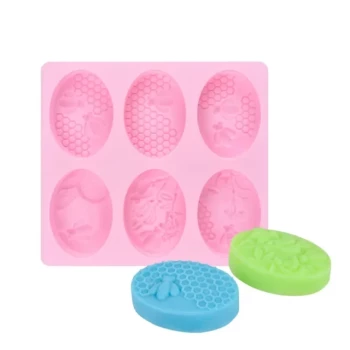
- Colorful Silicone Beeswax Foundation Mold Mould for Beekeeping
- Notebook Style Beeswax Foundation Mould Wax Foundation Mold
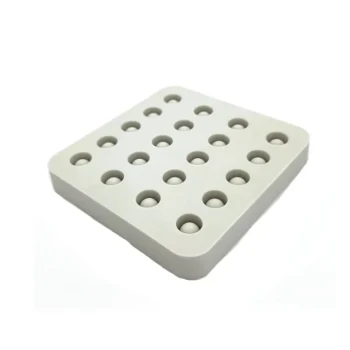
- High-Efficiency 20-Cell Silicone Mold for Beeswax Bee Queen Cup Production
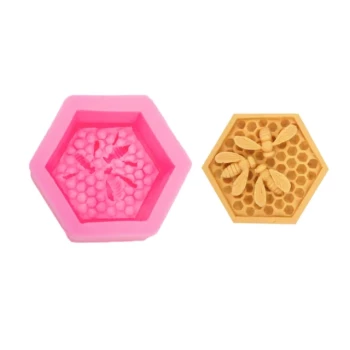
- 3D Square Honeycomb Pillar Silicone Candle Molds for Making Beeswax Candles
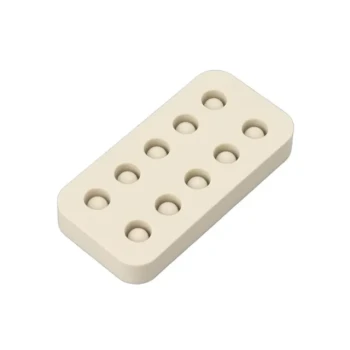
- 10-Cell Silicone Beeswax Bee Queen Cups Forming Mold
People Also Ask
- How do beeswax foundation molds facilitate the construction of standardized honeycombs? Optimize Your Apiary Efficiency
- How do you use the Foundation Mold to create beeswax foundation? Master DIY Beekeeping with Precision
- How can beeswax value-addition processes be utilized to increase beekeeping revenue? Boost Your Apiary Profitability
- What is the first tip for pouring beeswax into a silicone mold? Ensure a Perfect Release
- Why are specific wax foundation molds used to downsize brood cells? Master Mechanical Pest Inhibition