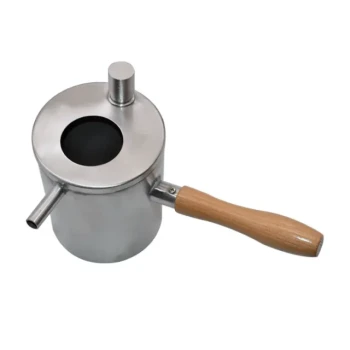
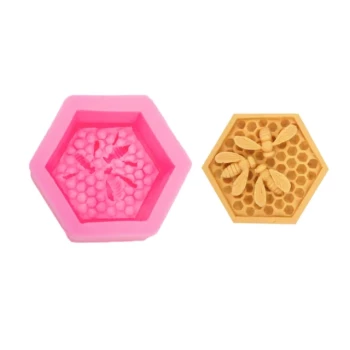
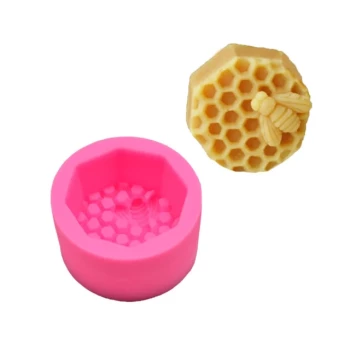
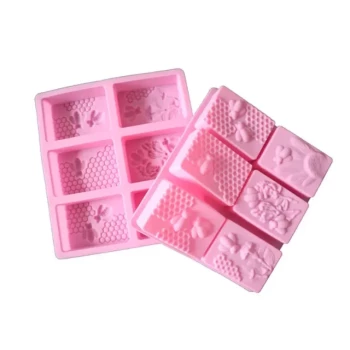
In the deep-processing of beeswax, molds and specialized containers are the defining interface between raw material and finished product. They provide the essential shaping space for liquid wax, directly dictating the surface finish and structural stability of the candle as it transitions from a heated liquid to a solid state.
By governing the physical form and aesthetic quality of the wax, molds allow beekeepers to convert raw apiary by-products into high-value commercial goods, significantly increasing the premium potential of natural beeswax in the craft market.
The Technical Role of Shaping Containers
Determining Surface Finish
The interaction between the liquid wax and the inner surface of the mold is critical. The material and design of the container are not passive; they actively influence the texture and sheen of the final product.
A high-quality mold ensures the beeswax cools with a smooth, professional exterior. This eliminates the need for excessive post-processing work to correct surface blemishes.
Ensuring Structural Stability
Beeswax undergoes significant physical changes as it cools. Specialized containers provide the necessary support structure during this phase.
They ensure the candle maintains its intended geometry without warping or collapsing. This allows for the creation of complex shapes that would be impossible to achieve through dipping or hand-rolling alone.
Commercial Implications of Mold Selection
Driving Market Segmentation
Using unique shaping containers allows producers to target specific niches, such as the craft gift market.
While raw beeswax has intrinsic value, a molded product—whether a uniform tea light or an intricate silicone-molded figure—becomes a value-added good. This transformation allows for higher profit margins compared to selling blocks of raw wax.
Achieving Consistency
For production at scale, specialized molds are essential for uniformity.
Supplementary data indicates that precision molds are required to produce high-consistency items like tea lights. This ensures that every unit has identical dimensions, which is vital for packaging, burning time estimates, and consumer trust.
Understanding the Trade-offs
Temperature Precision is Required
A mold cannot correct poor wax preparation. If the beeswax is overheated, it may oxidize or discolor before it even reaches the mold.
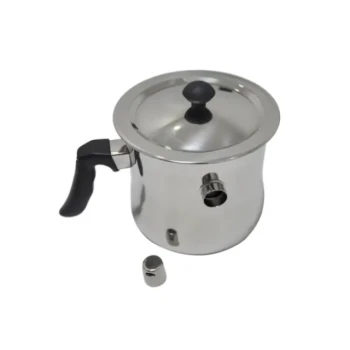
To maximize the effectiveness of a specialized mold, you must maintain a constant, safe heating environment—often using precision melting units or double boilers—to preserve the wax's natural color and quality.
The Wick Integration Factor
The mold dictates the shape, but it must also accommodate the combustion mechanism.
You must select molds that allow for the proper placement of specialized wicks. Even a perfectly molded candle will fail if the wick material and thickness are not matched to the candle's diameter to ensure stable combustion and capillary action.
Making the Right Choice for Your Goal
To select the appropriate molding strategy for your beeswax processing, consider your end-product objectives:
- If your primary focus is High-Volume Production: Prioritize rigid, high-precision molds to ensure uniform dimensions for items like tea lights and tapers.
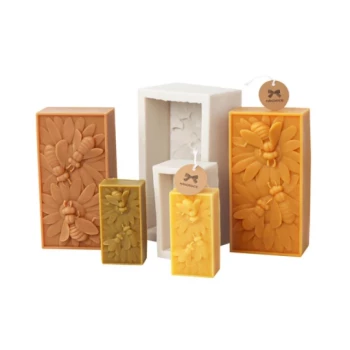
- If your primary focus is the Premium Gift Market: Invest in unique, intricate silicone molds that highlight the aesthetic qualities of the wax to maximize product value.
The technical success of deep-processing lies in synchronizing the precision of the mold with the purity of the wax.
Summary Table:
| Feature | Impact on Final Product | Key Benefit |
|---|---|---|
| Inner Surface Texture | Dictates surface finish and sheen | Professional appearance; less post-processing |
| Structural Support | Prevents warping/collapsing during cooling | Consistent geometry and complex shape capability |
| Precision Dimensions | Ensures uniform candle size and volume | Reliable burn times and standardized packaging |
| Specialized Wick Ports | Corrects alignment of the combustion core | Stable flame and efficient capillary action |
Scale Your Apiary Business with HONESTBEE
Transform your raw beeswax into high-margin commercial products with professional-grade equipment. HONESTBEE empowers commercial apiaries and distributors with a complete range of beekeeping machinery, including specialized honey-filling and wax-processing tools. From durable hardware to essential consumables, we provide the industrial solutions needed to achieve consistent, market-leading quality.
Ready to enhance your production efficiency? Contact our expert team today to explore our wholesale offerings!
References
- A. Nath. Beekeeping as an Entrepreneurship. DOI: 10.32474/ciacr.2019.07.000270
This article is also based on technical information from HonestBee Knowledge Base .
Related Products
- 3D Square Honeycomb Pillar Silicone Candle Molds for Making Beeswax Candles
- Colorful Silicone Beeswax Foundation Mold Mould for Beekeeping
- Notebook Style Beeswax Foundation Mould Wax Foundation Mold
- 3D Beehive Silicone Skep Wax Candle Molds for Candles
- High-Efficiency 20-Cell Silicone Mold for Beeswax Bee Queen Cup Production
People Also Ask
- Is spray release necessary when using silicone molds for candle making? Master the Art of Flawless Demolding
- Why are silicone molds preferred over tin or plastic molds for beeswax candles? Boost Efficiency & Quality
- What is the first tip for pouring beeswax into a silicone mold? Ensure a Perfect Release
- Which specific shapes and designs are commonly available for beeswax candle molds? Choose the Best Molds for Production
- How do you secure a silicone mold for candle making? Prevent Leaks and Achieve Perfect Candles