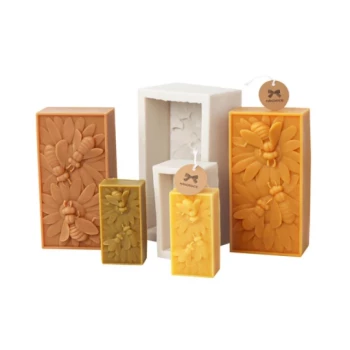
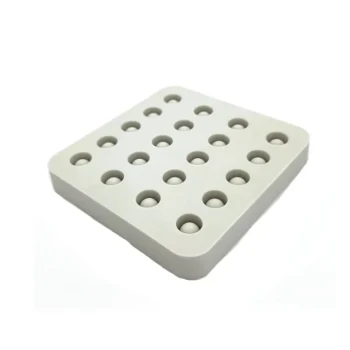
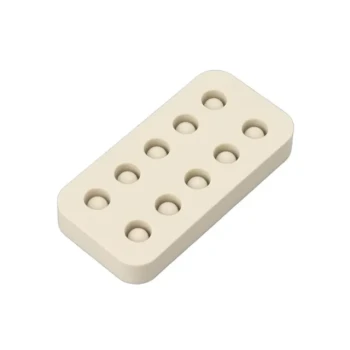
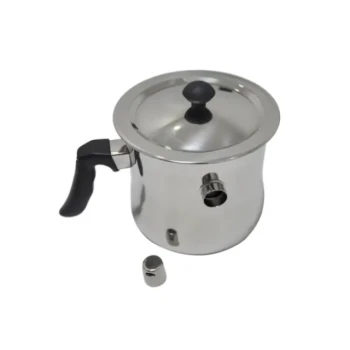
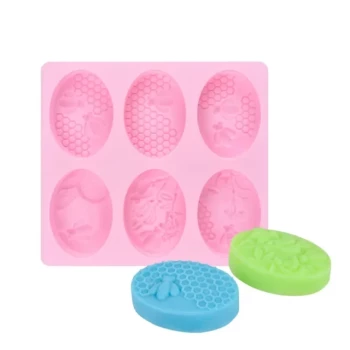
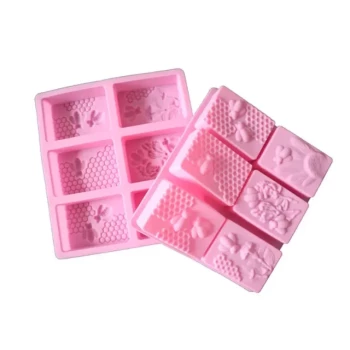
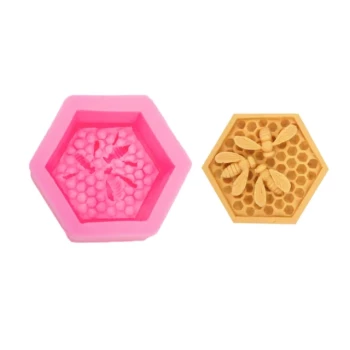
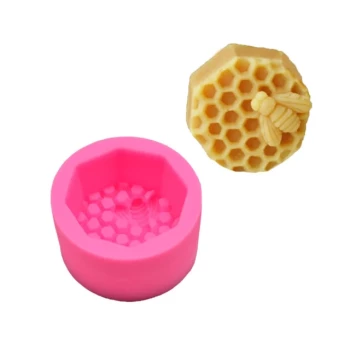
The fundamental distinction lies in the state of the wax and the method of shaping. Specialized candle molds require pouring molten beeswax into shaped forms, such as silicone or metal, to achieve strict dimensional consistency and uniformity. In contrast, hand-rolling involves manually manipulating solid wax foundation sheets to create decorative, textured candles without the need for melting the wax into a liquid state.
Core Takeaway While molding focuses on high-consistency production for utilitarian items like tea lights, hand-rolling leverages the texture of foundation sheets for aesthetic appeal. Both techniques are essential strategies for market segmentation, allowing producers to maximize the commercial value of beeswax by-products.
The Role of Specialized Molds
Achieving Uniformity
The primary advantage of using molds is the ability to produce items with identical dimensions. This process is critical for products where standardization is required for safety and fit.
The "Pouring" Technique
Molding typically utilizes a "pouring" technique. Producers melt beeswax to a specific temperature before filling a mold that contains a pre-placed wick.
High-Consistency Products
This method is best suited for producing high-consistency items, such as tea lights. The rigid structure of the mold ensures that every unit burns and fits into holders in exactly the same way.
The Hand-Rolling Technique
Utilizing Wax Foundation Sheets
Hand-rolling does not require melting wax into a liquid. Instead, it utilizes wax foundation sheets—thin sheets of beeswax impressed with a honeycomb pattern—as the base material.
Creating Decorative Appeal
The rolling process preserves the hexagonal texture of the foundation sheet. This results in candles that are visually distinct and often categorized as decorative rolled candles.
Artisanal Value
Because this technique relies on manual manipulation, it emphasizes the handcrafted nature of the product. It captures a specific segment of the market that values rustic or artisanal aesthetics over machine-perfect smoothness.
Understanding the Trade-offs
Complexity of Temperature Control
Molded candles require precise temperature management. As noted in pouring techniques, the wax must be melted and maintained at specific heat levels to ensure the candle sets correctly without defects.
Material Constraints
Hand-rolled candles are limited by the quality and availability of the foundation sheets. You cannot easily recycle dirty or scrap wax into rolled candles without first processing it into new sheets, whereas molds can accept any clean, molten wax.
Production Volume vs. Labor
Molds are generally more scalable for producing large numbers of identical items like tea lights. Hand-rolling is inherently labor-intensive, making it less suitable for high-volume mass production but highly effective for creating premium, niche products.
Making the Right Choice for Your Goal
To maximize the value of your beeswax derivatives, choose the method that aligns with your target market segment.
- If your primary focus is Standardization and Volume: Utilize specialized molds to create uniform products like tea lights that demand consistent burn times and dimensions.
- If your primary focus is Aesthetics and Gifting: Employ hand-rolling techniques using foundation sheets to create visually textured, decorative candles that appeal to buyers seeking artisanal quality.
By mastering both techniques, you can effectively diversify your product line to capture the broadest possible market share.
Summary Table:
| Feature | Specialized Candle Molds | Hand-Rolling Technique |
|---|---|---|
| Wax State | Molten (liquid) | Solid (foundation sheets) |
| Primary Tool | Silicone, metal, or plastic molds | Manual manipulation by hand |
| Product Finish | Smooth, uniform, and standardized | Textured, honeycomb pattern |
| Best For | Tea lights and high-volume utility | Decorative, artisanal, and gift items |
| Key Advantage | Dimensional consistency and scaling | Aesthetic appeal and no melting required |
| Complexity | High (requires precise temp control) | Low (focuses on manual dexterity) |
Elevate Your Beeswax Production with HONESTBEE
Whether you are scaling up with high-precision honey-filling and hive-making machinery or diversifying your product line with decorative beeswax candles, HONESTBEE provides the professional-grade tools you need. We specialize in supporting commercial apiaries and distributors with a comprehensive wholesale portfolio, including specialized hardware, beekeeping equipment, and essential consumables.
Ready to maximize your apiary's commercial value? Contact us today to discover how our premium machinery and industry expertise can streamline your production and help you capture a broader market share.
References
- Lisa M. Gring‐Pemble, Germán Perilla. Sustainable beekeeping, community driven-development, and tri-sector solutions with impact. DOI: 10.1108/cg-01-2020-0019
This article is also based on technical information from HonestBee Knowledge Base .
Related Products
- 3D Square Honeycomb Pillar Silicone Candle Molds for Making Beeswax Candles
- 3D Beehive Silicone Skep Wax Candle Molds for Candles
- Colorful Silicone Beeswax Foundation Mold Mould for Beekeeping
- Bee Floral Relief Silicone Mold for Artisan Soap Candle Making
- High-Efficiency 20-Cell Silicone Mold for Beeswax Bee Queen Cup Production
People Also Ask
- Is spray release necessary when using silicone molds for candle making? Master the Art of Flawless Demolding
- Why are silicone molds preferred over tin or plastic molds for beeswax candles? Boost Efficiency & Quality
- What is the first tip for pouring beeswax into a silicone mold? Ensure a Perfect Release
- Which specific shapes and designs are commonly available for beeswax candle molds? Choose the Best Molds for Production
- How do you secure a silicone mold for candle making? Prevent Leaks and Achieve Perfect Candles