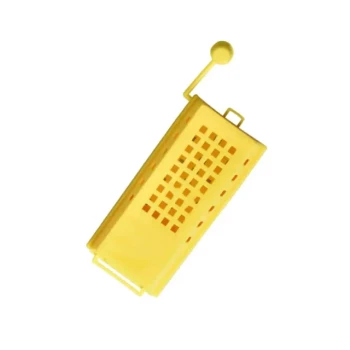
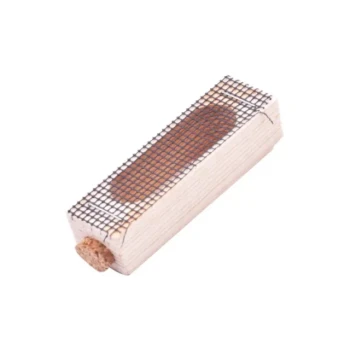
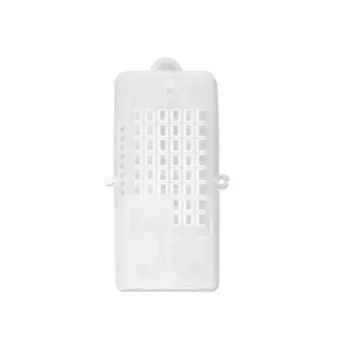
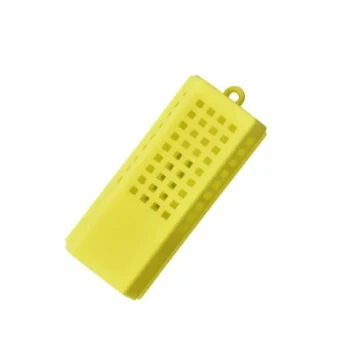
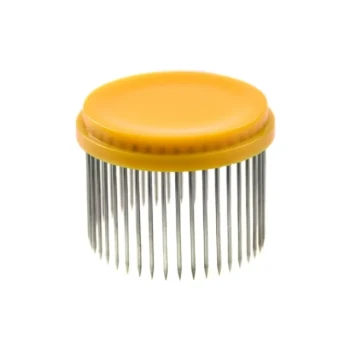
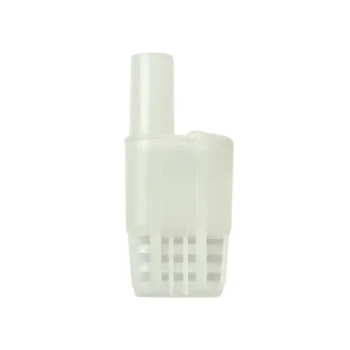
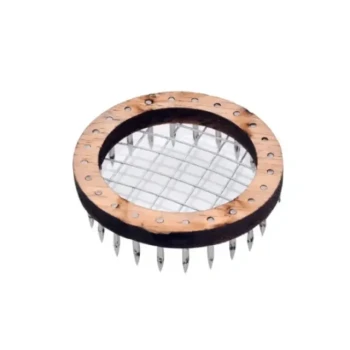
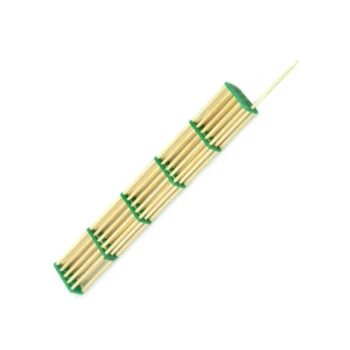
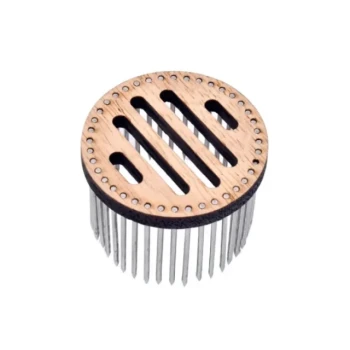
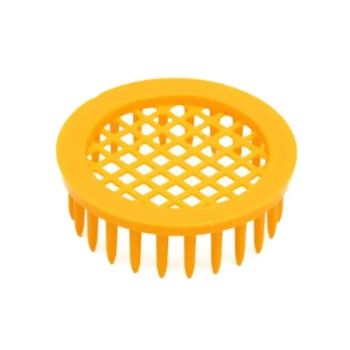
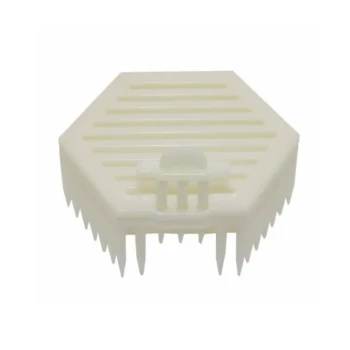
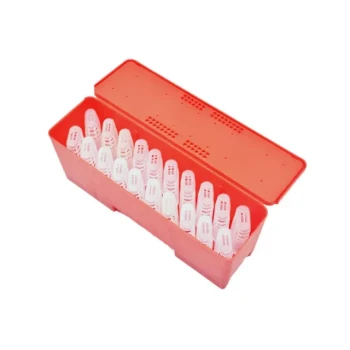
The specific role of a Queen Cage in summer brood interruption is to mechanically enforce a temporary cessation of egg-laying. By confining the queen to a restricted space for a period of up to 25 days, the cage halts the colony's brood-rearing activity, eliminating the protective environment where Varroa destructor mites reproduce.
The Queen Cage functions not as a treatment itself, but as a strategic forcing mechanism. It compels the entire mite population to migrate from protected brood cells onto adult bees, rendering them fully exposed and vulnerable to subsequent control measures.
The Strategic Purpose of Confinement
Creating a Broodless Period
The primary function of the Queen Cage is to stop the production of new bee larvae.
By isolating the queen in a space too small for egg deposition, the beekeeper induces a controlled broodless state.
This interruption typically lasts between 21 and 25 days, which is synchronized with the development cycle of existing bee brood.
Eliminating the Mite Sanctuary
Varroa mites rely on capped brood cells to reproduce and hide.
While inside these capped cells, mites are shielded from most chemical treatments and biophysical interventions.
As the existing brood hatches and no new eggs are laid, the colony eventually becomes devoid of capped cells, removing the mites' primary sanctuary.
The Biological Shift: Phoretic Mites
Forcing the Transition
Once the hive is free of capped brood, mites have no option but to attach themselves to adult bees.
This state is known as the phoretic stage.
The Queen Cage guarantees that effectively 100% of the mite population is forced into this exposed state.
Maximizing Treatment Efficiency
When mites are hidden in brood, treatments often miss a significant percentage of the population.
However, when mites are phoretic, they are physically exposed on the bodies of the bees.
This exposure drastically increases the kill rate of subsequent chemical or biophysical treatments, allowing for a near-total cleanup of the infestation.
Critical Distinctions and Trade-offs
The Cage is a Catalyst, Not a Cure
It is vital to understand that the Queen Cage does not kill the mites.
It simply moves the target into the open.
If the confinement is not followed immediately by an appropriate treatment, the mite population remains alive and will re-enter the brood once the queen is released.
Timing is Non-Negotiable
The duration of confinement must be precise.
If the queen is released too early (before all existing brood has hatched), mites will remain hidden in the remaining capped cells.
If confined too long, the colony risks population decline due to the lack of replacement bees.
Making the Right Choice for Your Goal
The use of a Queen Cage is a high-precision method for beekeepers looking to maximize the impact of their interventions.
- If your primary focus is maximizing efficacy: Use the cage to force all mites onto adult bees, ensuring your subsequent treatment reaches the entire mite population rather than just the surface layer.
- If your primary focus is reducing chemical reliance: Use the cage to create a window where milder, contact-based treatments (which cannot penetrate brood caps) become highly lethal to mites.
By controlling the biology of the hive, the Queen Cage transforms mite management from a guessing game into a targeted strike.
Summary Table:
| Feature | Strategic Impact on Varroa Management |
|---|---|
| Primary Function | Mechanically halts egg-laying to create a broodless state |
| Mite Dynamics | Forces mites from capped cells into the phoretic stage on adult bees |
| Duration | Typically 21–25 days to match the bee development cycle |
| Treatment Synergy | Maximizes efficacy of chemical/organic treatments on exposed mites |
| Key Benefit | Eliminates the 'sanctuary' where 80% of mites usually hide |
Maximize Your Colony Health with HONESTBEE
Precise Varroa management requires reliable tools. HONESTBEE specializes in supporting commercial apiaries and distributors with high-quality beekeeping equipment designed for professional results. Whether you need high-precision queen cages, advanced hive-making machinery, or essential apiary consumables, we provide the full spectrum of tools to scale your operations.
Partner with HONESTBEE to streamline your wholesale supply chain. Contact us today to discuss your bulk equipment needs and see how our comprehensive machinery and merchandise portfolio can add value to your business.
References
- Ralph Büchler, Antonio Nanetti. Summer brood interruption as integrated management strategy for effective Varroa control in Europe. DOI: 10.1080/00218839.2020.1793278
This article is also based on technical information from HonestBee Knowledge Base .
Related Products
- Durable Galvanized Steel Spring Queen Bee Cage
- Professional Queen Cage with Sliding Gate and Feeder Plug
- Classic Wooden and Mesh California Queen Cage
- Professional Queen Bee Introduction and Transport Cage
- Professional Multi-Functional Queen Bee Cage
People Also Ask
- Why are specialized queen bee cages used for the banking of mated queen bees? Maximize Commercial Apiary Storage Efficiency
- What is the mechanism of action for using temporary queen bee cages? Master Successful Queen Introduction
- What is the step-by-step process for installing a queen bee's cage onto a frame? Ensure Hive Acceptance Safely
- What is the optimal placement for a queen bee cage? Essential Strategies for Successful Re-queening
- What are the advantages and disadvantages of introducing a queen bee by embedding the cage? Boost Your Queen Acceptance