Selective exclusion is the technical imperative behind using 8-mesh hardware cloth in Small Hive Beetle (SHB) monitoring traps. This specific material, featuring aperture openings of approximately 3mm, functions as a precise mechanical sieve that permits the passage of smaller adult beetles while physically barring the entry of larger honeybees.
The technical necessity of 8-mesh cloth lies in its aperture dimensions, which function as a mechanical filter. It ensures high selectivity by permitting pest entry for monitoring while guaranteeing the physical safety of the honeybee colony.
The Mechanics of Physical Separation
The Critical Aperture Dimension
In the context of trap construction, "8-mesh" refers to a wire grid containing eight openings per linear inch.
This results in an aperture size of approximately 3mm. This specific dimension is not arbitrary; it is engineered to exploit the size difference between the pest and the host.
Enabling Pest Permeability
The 3mm opening is sufficiently large to allow adult Small Hive Beetles to navigate through the barrier.
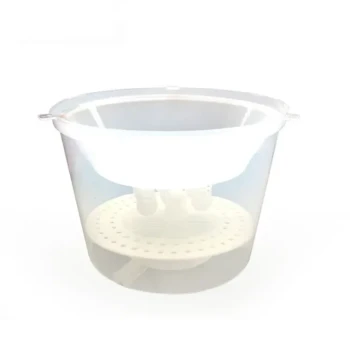
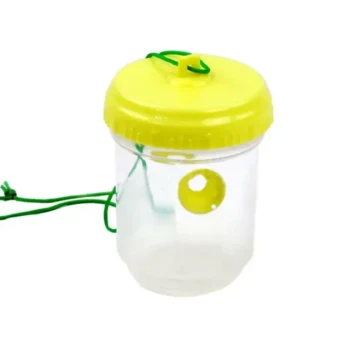
By placing this mesh over the side openings of large-capacity plastic trap buckets, you create an uninhibited pathway for beetles seeking harborage or bait within the trap.
Ensuring Livestock Protection
Conversely, the 3mm aperture acts as a rigid wall for the honeybee.
Because an adult honeybee is physically larger than the mesh opening, it cannot accidentally enter the trapping area. This prevents the "by-catch" of beneficial insects and ensures the colony remains safe from the trap's containment mechanism.
The Engineering of Pest Selectivity
Targeted Filtering
Effective monitoring requires high selectivity. You must capture the target pest without affecting the hive's population.
The 8-mesh hardware cloth separates the biological components of the hive based purely on physical volume. It automates the sorting process, requiring no active management from the beekeeper once installed.
Maintenance of Colony Integrity
By preventing bee entry, the trap avoids becoming a hazard to the hive.
If bees were able to enter the trap alongside the beetles, the trap would rapidly fill with dead bees, depleting the colony's workforce and rendering the monitoring data useless.
Understanding the Trade-offs
The Risk of Larger Mesh
Using a mesh size larger than 8-mesh (such as 4-mesh) completely undermines the trap's safety profile.
Larger openings would allow honeybees to squeeze through, leading to significant bee mortality inside the trap bucket. This turns a monitoring tool into a liability.
The Risk of Smaller Mesh
Conversely, using a finer mesh (such as standard window screening) creates a barrier to the beetles themselves.
If the aperture is smaller than the approximate 3mm standard, adult Small Hive Beetles cannot enter the trap. This results in false negatives during monitoring, leading the beekeeper to believe the hive is pest-free when it may be infested.
Making the Right Choice for Your Goal
To ensure your monitoring traps function correctly, apply the following guidelines:
- If your primary focus is Pest Monitoring: Ensure the hardware cloth allows for a 3mm clearance to guarantee adult beetles can enter the collection chamber.
- If your primary focus is Colony Safety: Verify that the mesh is strictly 8-mesh or smaller (but no smaller than 3mm) to maintain an absolute physical barrier against honeybee entry.
Precision in material selection is the single most important factor in distinguishing a functional trap from a hazard to your hive.
Summary Table:
| Feature | 8-Mesh (3mm) | < 8-Mesh (Finer) | > 8-Mesh (Larger) |
|---|---|---|---|
| Pest Permeability | High (SHB pass through) | Low (Beetles blocked) | High |
| Bee Safety | Absolute Barrier | Absolute Barrier | Hazardous (Bees enter) |
| Monitoring Accuracy | Precise/High | False Negatives | Invalidated by By-catch |
| Primary Function | Mechanical Sieve | Total Barrier | Ineffective Trap |
Secure Your Apiary with Precision-Engineered Tools
Don't let improper equipment compromise your hive's health. HONESTBEE specializes in supplying commercial apiaries and distributors with high-quality, technically accurate beekeeping machinery and essential hardware. From precision-mesh components to industrial-grade honey-filling machines and hive-making tools, we provide the full spectrum of wholesale solutions needed to scale your operations efficiently.
Ready to upgrade your wholesale supply chain? Contact us today to explore our comprehensive catalog and discover how our expertise can benefit your beekeeping business.
References
- W. Michael Hood. Overview of the small hive beetle,<i>Aethina tumida</i>, in North America. DOI: 10.1080/0005772x.2000.11099483
This article is also based on technical information from HonestBee Knowledge Base .
Related Products
- Reusable Aluminium Beetle Trap for Small Hive Beetles Silver Bullet
- Removable Washable Hive Beetle Trap Attractants for Small Hive Beetles
- Reusable Clear Small Hive Beetle Traps for Beehives Beetle Trapping Tools
- Black Plastic Beetle Barn Hive Beetle Trap for Beehives
- Plastic Beetle Blaster Trap Beekeeping Tools and Supplies
People Also Ask
- How should powdered substances be used in beetle traps for hive beetle control? Expert Guide for Maximum Colony Protection
- Why are beetle traps less effective during winter? Seasonal Shifts in Pest Control Explained
- When is the best time to use small hive beetle traps in cold climates? Protect Your Honeybee Winter Stores Now
- When and how should disposable traps for small hive beetles be removed? Master Hive Hygiene and Efficiency
- How do small hive beetle traps contribute to colony management? Enhance Diagnostic Accuracy and Protect Hive Health