The technical necessity of specialized honey storage materials lies in their ability to maintain a hermetic seal and chemical inertness. Because honey is both hygroscopic (water-absorbing) and slightly acidic, specialized containers are required to prevent atmospheric moisture intake that triggers fermentation and to stop chemical reactions that leach contaminants from non-food-grade surfaces.
Core Takeaway Honey is a chemically active, biological product that degrades rapidly when exposed to air, moisture, or reactive surfaces. Specialized storage is the primary defense mechanism, ensuring the product retains its stability, safety, and nutritional value during the critical transition from farm to wholesaler.
The Science of Preservation
Controlling Hygroscopicity
Honey possesses strong hygroscopic properties, meaning it naturally pulls moisture from the surrounding atmosphere. Standardized storage containers utilize high-precision, tight-fitting lids to create a hermetic seal. This barrier is critical because if honey absorbs enough moisture to exceed acceptable levels, it becomes an ideal breeding ground for yeast, leading to rapid fermentation and spoilage.
Preventing Chemical Contamination
Raw honey is weakly acidic. This acidity can cause corrosion in standard metal containers or degrade low-quality plastics, leading to the migration of harmful substances into the food product. Specialized containers are manufactured from food-grade, corrosion-resistant materials designed specifically to remain chemically inert when in contact with honey, preserving the product's purity.
Ensuring Physical Stability
Post-harvest losses often occur due to improper handling. Specialized containers, particularly industrial-grade options, provide the structural integrity needed to withstand the rigors of transport. They prevent physical contamination and leakage, ensuring the volume collected at the apiary matches the volume delivered to the processing facility.
Sensory and Nutritional Integrity
Blocking Photochemical Reactions
Light-sensitive components within honey can degrade when exposed to sunlight or harsh artificial light. Specialized storage often includes light-shielding treatments or opaque materials. This prevents photochemical reactions that would otherwise alter the honey's natural color, degrade its aroma, or destroy heat-sensitive enzymes.
Preserving Analytical Accuracy
For wholesalers, the value of honey often depends on laboratory analysis of its pollen and chemical composition. By preventing the ingress of external moisture and the egress of volatile aromatic compounds, specialized containers ensure samples accurately reflect the hive's original state. This is essential for accurate grading, sensory analysis, and origin verification.
Logistical Standardization
The 60 lb Industrial Standard
Industrial-grade 60 lb containers function as the core consumable for wholesale logistics. They offer a unified unit of measurement that simplifies inventory management and large-scale warehousing. Their specific design facilitates stacking and cross-border shipping, acting as the vital link between dispersed apiary production and centralized industrial packaging.
Long-Term Storage Viability
Honey production is seasonal, but demand is year-round. Specialized containers are engineered to maintain chemical stability over periods lasting several years. They allow producers and wholesalers to manage inventory effectively, balancing supply and demand without risking the crystallization or degradation that occurs in inferior packaging.
Understanding the Trade-offs
The Risk of Commodity Plastics
In many traditional regions, general-purpose plastic containers are used due to their low cost and lightweight nature. While they offer ease of handling, they represent a significant technical risk. These containers often lack the necessary seal integrity to prevent moisture absorption in humid environments.
Thermal Instability
Non-specialized plastics may release harmful substances when exposed to high temperatures during transport or storage. Unlike professional-grade materials, commodity plastics cannot guarantee the "food-grade" safety profile required to prevent chemical migration, potentially compromising the entire batch's safety certification.
Making the Right Choice for Your Goal
When selecting storage solutions for honey collection and wholesale, align your choice with your specific technical objective:
- If your primary focus is preventing fermentation: Prioritize containers with industrial-grade, hermetic sealing mechanisms to block atmospheric moisture.
- If your primary focus is long-term warehousing: utilize standardized 60 lb containers to ensure physical protection and simplified inventory management over multi-year periods.
- If your primary focus is maintaining premium sensory value: Select opaque or light-shielded materials to prevent photochemical degradation of color and flavor.
Using specialized storage is not just about packaging; it is a critical quality control step that stabilizes honey’s complex chemistry against the environment.
Summary Table:
| Technical Factor | Risk of Standard Containers | Benefit of Specialized Storage |
|---|---|---|
| Hygroscopicity | Moisture absorption & fermentation | Hermetic seals maintain low moisture levels |
| Chemical Reactivity | Leaching of toxins from acidic reactions | Food-grade, inert materials ensure purity |
| Light Sensitivity | Photochemical degradation of enzymes | Opaque/UV-shielding materials preserve aroma |
| Structural Integrity | Leakage and physical contamination | Industrial-grade durability for bulk transport |
| Logistics | Inconsistent volume/difficult stacking | Standardized (e.g., 60lb) units for efficiency |
Secure Your Honey Quality with HONESTBEE
Maximize the value of your harvest and maintain industry-leading standards with professional-grade storage solutions. HONESTBEE specializes in serving commercial apiaries and distributors with high-performance beekeeping tools, hive-making machinery, and essential consumables like standardized storage containers.
Whether you need precision honey-filling machines or bulk logistics equipment, we provide the technical reliability required to scale your operations. Contact us today to discuss how our comprehensive wholesale offerings can protect your product’s integrity and streamline your supply chain.
References
- Mulubrihan Bayissa, Wim Verbeke. Challenges for Improved Production and Value Share Along the Honey Value Chain in Ethiopia. DOI: 10.3390/agriculture15171871
This article is also based on technical information from HonestBee Knowledge Base .
Related Products
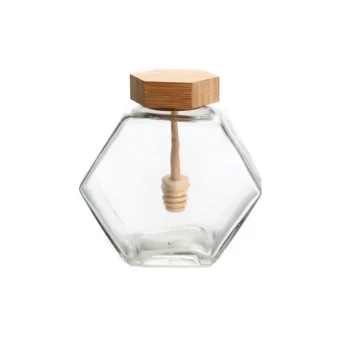
- Hexagonal Glass Honey Jar with Wooden Lid Integrated Dipper Elegant Functional Storage
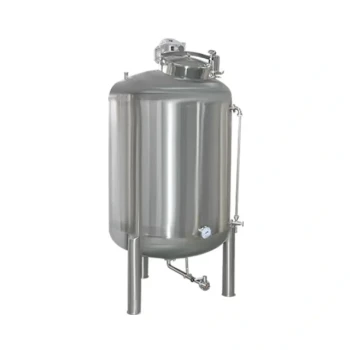
- Stainless Steel Honey Storage Tank with Lid for Honey
- Stainless Steel Honey Storage and Settling Tank with Double Strainer
- Hexagonal Glass Honey Jars with Metal Lug Caps Elegant Versatile Packaging
- Professional Honey Storage Tank with Agitation System
People Also Ask
- What are the benefits of glass jars regarding strength and safety for storing honey? Ensure Purity and Long-Term Quality
- What are the advantages of using glass jars for honey storage? Ensure Purity and Premium Appeal for Your Product
- What is the aesthetic appeal of using glass jars for honey? Elevate Your Brand with Premium Packaging
- What are the advantages of glass containers for honey? Elevate Quality and Market Value with Premium Packaging
- What are the benefits of using high-transparency Glass Jars for honey? Elevate Purity and Premium Branding