The technical objective of using individual storage tubes is to isolate each honey sample to prevent environmental contamination, moisture absorption, and the loss of volatile components. This process ensures that the honey maintains its original physicochemical state, allowing laboratory analysis to objectively reflect the exact nutritional and botanical profile of the bee colony at the time of sampling.
By immediately encapsulating honey in individual, numbered tubes, producers create a controlled physical barrier that preserves the sample's biochemical integrity. This rigorous isolation is the foundation of a reliable quality control system, ensuring that laboratory data is both accurate and representative of the raw product.
Preservation of Chemical and Physical Integrity
Preventing Volatile Loss and Moisture Absorption
Honey is naturally hygroscopic, meaning it aggressively absorbs moisture from the air, which can lead to secondary fermentation and a decrease in sugar concentration. Individual tubes seal the honey from atmospheric humidity and prevent the escape of volatile aromatic compounds that define the honey’s flavor profile.
Maintaining Biochemical Stability
Specialized storage tubes protect sensitive components such as enzymes, amino acids, and biochemical markers from degradation. By maintaining a stable internal environment, these containers prevent chemical reactions with the external atmosphere that would otherwise alter the honey’s nutritional value.
Ensuring Palynological Integrity
For B2B distributors, the botanical origin of honey is a primary value driver. Individual sealing protects the sample from external pollen or dust, ensuring that subsequent palynological (pollen) analysis accurately identifies the specific flowers the bees visited without interference.
Ensuring Data Accuracy for Quality Control
Facilitating Numbered Management and Traceability
Individual tubes allow for numbered management, which is critical for tracking samples back to specific colonies or batches. This level of organization is essential for high-volume wholesalers who require precise documentation and a transparent supply chain for their clients.
Eliminating Cross-Contamination
In a professional laboratory or collection environment, the risk of secondary contamination from microorganisms or foreign particles is high. Individual tubes act as a sterile barrier, ensuring that the results of hygiene quality assessments are not skewed by environmental factors during transport or storage.
Long-Term Stability for Analysis
High-quality sealed containers can protect honey samples for up to six months without significant alterations in their properties. This stability is vital for international distributors who may need to conduct re-testing or verification at different stages of the fulfillment process.
Understanding the Trade-offs
Material Selection: Glass vs. Plastic
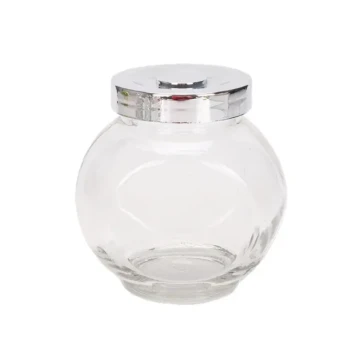
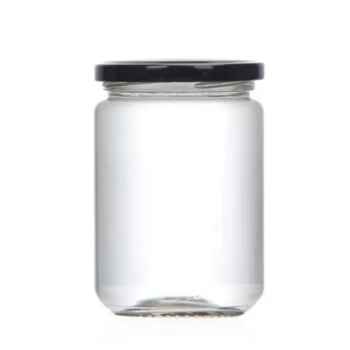
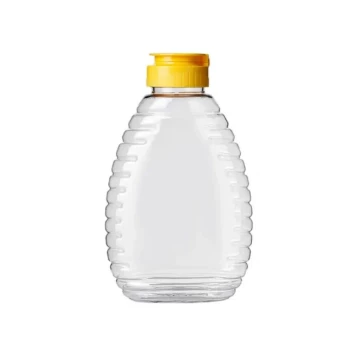
While glass is chemically inert and provides the best protection against chemical reactions, it is fragile and heavy, increasing shipping costs and the risk of breakage during ultra-fast delivery. Food-grade plastic tubes offer a lightweight, durable alternative but must be carefully selected to ensure they provide an adequate moisture and oxygen barrier.
Cost of Individual Management
Utilizing individual storage tubes for every sample increases the initial overhead compared to bulk sampling. However, for B2B resellers, this cost is an investment in risk mitigation, as it prevents the rejection of entire batches due to unreliable or contaminated test results.
Making the Right Choice for Your Goal
When evaluating honey sourcing and quality control protocols, consider how sampling methods impact your business objectives:
- If your primary focus is premium market positioning: Prioritize individual glass encapsulation to ensure the absolute preservation of natural aromas and biochemical markers for demanding clients.
- If your primary focus is supply chain efficiency and speed: Utilize high-quality, food-grade plastic tubes that allow for rapid numbered management and efficient fulfillment without the risk of breakage.
- If your primary focus is rigorous regulatory compliance: Ensure your sourcing partner uses sterilized, individual tubes to guarantee that lab results for moisture, enzymes, and pollen are 100% accurate and defensible.
Employing specialized individual storage tubes is a hallmark of professional industry expertise, ensuring that the honey you bring to market is as pure and potent as the moment it was collected.
Summary Table:
| Technical Objective | Key Benefit | Business Impact |
|---|---|---|
| Moisture Control | Prevents secondary fermentation | Maintains honey grade and shelf stability |
| Volatile Preservation | Retains original aroma and flavor | Secures premium market positioning |
| Cross-Contamination | Acts as a sterile physical barrier | Ensures 100% accurate lab analysis results |
| Batch Traceability | Facilitates numbered management | Simplifies supply chain and risk mitigation |
| Biochemical Stability | Protects enzymes and amino acids | Guarantees nutritional and botanical integrity |
Scale Your Honey Business with HONESTBEE
Maintaining product integrity is just one step in a successful honey operation. HONESTBEE empowers commercial apiaries and B2B distributors with a one-stop sourcing platform for the entire production lifecycle. From precision honey-filling machines and hive-making hardware to a comprehensive range of beekeeping consumables, we provide the tools you need to ensure quality and efficiency.
Why partner with us?
- Comprehensive Portfolio: Full-spectrum equipment from machinery to honey-themed merchandise.
- B2B Excellence: Specialized support for wholesalers with OEM/ODM capabilities.
- Rapid Fulfillment: Ultra-fast delivery and professional industry expertise to keep your supply chain moving.
Ready to optimize your fulfillment process and protect your profit margins? Contact us today to explore our wholesale solutions!
References
- Larissa Silva Souza, Rogério Marcos de Oliveira Alves. <b>Pollen spectrum of the honey of uruçu bee (<i>Melipona scutellaris</i> Latreille, 1811) (Hymenoptera: Apidae) in the North Coast of Bahia State. DOI: 10.4025/actascibiolsci.v37i4.28059
This article is also based on technical information from HonestBee Knowledge Base .
Related Products
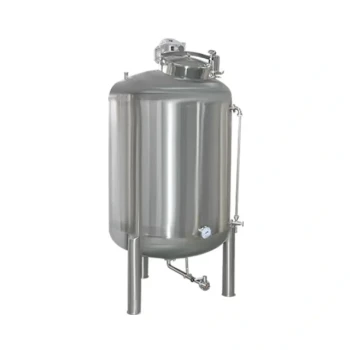
- Stainless Steel Honey Storage Tank with Lid for Honey
- Stainless Steel Honey Storage and Settling Tank with Double Strainer
- Professional Honey Storage Tank with Agitation System
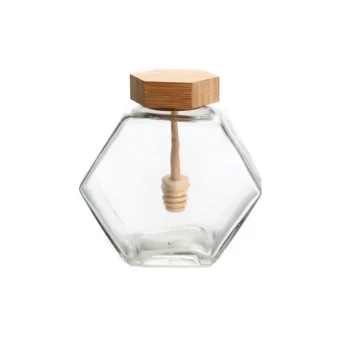
- Hexagonal Glass Honey Jar with Wooden Lid Integrated Dipper Elegant Functional Storage
- Classic Glass Honey Jar with Metal Lug Cap for Beehive Storage
People Also Ask
- What economic role do honey storage tanks play? Boost Your Revenue Through Strategic Inventory Management
- What roles do industrial honey storage tanks and filtration meshes play in processing? Ensure Purity & Consistency
- What is the purpose of a honey storage tank? Streamline Your Honey Processing for Quality & Efficiency
- What are honey storage tanks used for? Essential Features for Quality Preservation and Profit
- How do large honey storage tanks and gravity fall filling systems improve honey packaging efficiency and safety?