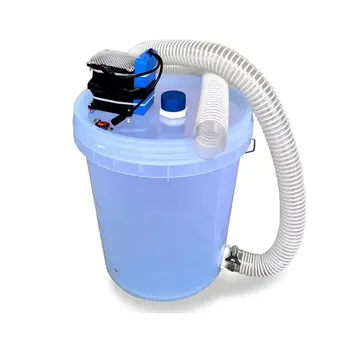
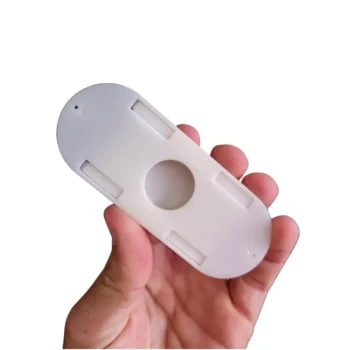
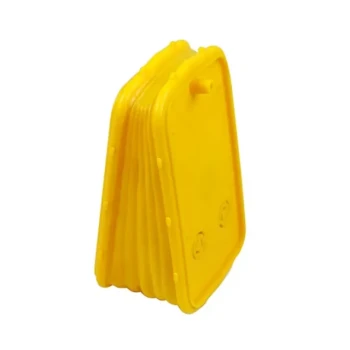
The primary technical purpose of utilizing floating devices within water containers is to engineer a safe interface between the liquid surface and the foraging honeybee. These devices create a stable, dry landing platform that allows bees to drink without breaking the water's surface tension, thereby preventing drowning while establishing a consistent, accessible hydration station.
Core Insight: In urban environments, water management is as much about safety as it is about hydration. Floating devices transform a potential drowning hazard into a reliable resource, training bees to avoid neighborhood nuisances like swimming pools in favor of a designated, safe location.
The Mechanics of Bee Safety
Prevention of Drowning
Honeybees require water for thermoregulation and brood rearing, yet they are poor swimmers. A smooth body of water acts as a trap; once a bee’s wings become wet, escape is nearly impossible.
Providing Stable Footing
Floating devices serve as a dry landing zone. They allow the bee to land securely and extend its proboscis to the water's edge without fully immersing its body. This stability is critical for the bee to leverage itself back into the air after drinking.
Urban Management and Public Safety
Habituation to Fixed Sources
Bees are creatures of habit and will return to reliable resource locations. By providing a safe and easy-to-access water source, you encourage the colony to habituate to your specific water station.
Mitigating Neighborhood Conflict
In urban settings, a lack of provided water forces bees to seek alternatives. This often leads them to public or private areas, such as swimming pools, pet bowls, or leaking taps.
By utilizing floating devices to make your water source the most attractive option, you effectively divert bees away from these areas, reducing public safety concerns and potential conflicts with neighbors.
Hygiene and Water Quality
Preserving Water Cleanliness
When bees drown in open containers, the decomposition process rapidly degrades water quality. This can introduce pathogens or simply make the water unappealing to the hive.
Reducing Contamination
Floating devices minimize the biological load in the water. By keeping the foragers alive and dry, the water remains cleaner for longer periods, reducing the frequency of maintenance required by the beekeeper.
Common Pitfalls to Avoid
Material Absorption
Not all floating materials are created equal. Some porous materials may eventually become waterlogged and sink, eliminating the safety zone and creating a trap for the bees.
Algae Buildup
Floating devices increase the surface area available for algae and biofilm growth. Without regular cleaning, these devices can become slippery, negating the stability they are meant to provide and potentially harboring bacteria.
Making the Right Choice for Your Goal
To effectively manage urban honeybee hydration, consider your specific objectives:
- If your primary focus is colony survival: Ensure your floating devices are highly buoyant and cover a significant portion of the surface area to maximize landing space.
- If your primary focus is neighborhood relations: Establish the water station with floating devices early in the season to habituate bees before they discover local swimming pools.
A well-engineered water station is the first line of defense in responsible urban beekeeping.
Summary Table:
| Feature | Technical Purpose | Benefit for Urban Beekeeping |
|---|---|---|
| Dry Landing Zone | Prevents surface tension breakage | Eliminates forager drowning risks |
| Resource Habituation | Establishes reliable water location | Diverts bees from pools and pet bowls |
| Surface Stability | Provides secure footing for landing | Increases drinking efficiency for foragers |
| Hygiene Maintenance | Prevents decomposition of drowned bees | Maintains water quality and reduces pathogens |
| Thermal Regulation | Supports consistent water collection | Enables hive cooling and brood rearing |
Elevate Your Beekeeping Operation with HONESTBEE
At HONESTBEE, we specialize in empowering commercial apiaries and distributors with the professional tools needed for success. From high-precision honey-filling machines to specialized hive-making hardware and essential industry consumables, our comprehensive wholesale portfolio is designed to optimize your productivity.
Whether you are scaling your commercial production or supplying the next generation of beekeepers, we provide the expertise and equipment you need to thrive. Contact us today to explore our full spectrum of beekeeping machinery and heritage merchandise, and let us help you build a more efficient and sustainable apiary business.
References
- Fehmi Gürel. Urban Beekeeping Rules and Challenges. DOI: 10.31590/ejosat.1140826
This article is also based on technical information from HonestBee Knowledge Base .
Related Products
- Yellow Plastic Bucket Pail Perch for Beekeeping
- HONESTBEE Square Top Hive Bee Feeder Top Bee Feeder
- Professional In-Hive Frame Bee Feeder by HONESTBEE
- HONESTBEE Collapsible Tiered Bee Swarm Catcher for Beekeeping
- HONESTBEE Entrance Bee Feeder Efficient Hive Front Liquid Feeding Solution for Beekeeping
People Also Ask
- What are the strategic benefits of installing beekeeping hives at an elevation of 1 to 6 meters? Protect Your Assets
- What are the key advantages of modern improved beekeeping hives? Scale Your Honey Yield and Production Efficiency
- How do container-type consumables like plastic buckets function in urban beekeeping systems? Expert Setup Tips
- What are the advantages and disadvantages of plastic beekeeping equipment? Choose the Best Gear for Your Apiary
- Why Increase Hive Installation Quantity in Commercial Apiaries? Offset Climate Risks with Scalable Infrastructure