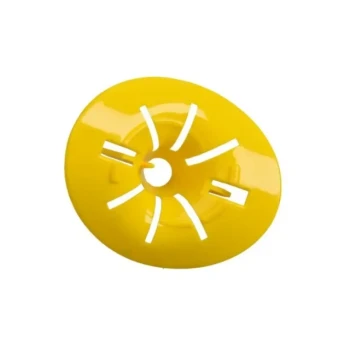
Pollen traps serve as critical physical filtration barriers installed at the hive entrance during field-based toxicity experiments. Their primary technical function is to mechanically strip foraging bees of their pollen loads as they attempt to enter the hive. By significantly reducing the influx of natural pollen, these devices force the colony to consume provided experimental pollen patties, thereby ensuring precise control over dietary exposure.
In field toxicity studies, the availability of wild food sources is a major variable that threatens data integrity. The core value of a pollen trap is to eliminate this variable, minimizing the dilution of the experimental diet and guaranteeing that the colony receives the intended dosage of the test substance.
Ensuring Experimental Control
The Mechanism of Action
Pollen traps operate as a physical grid system placed at the hive's only entry point. As returning foragers pass through the grid, the physical constriction dislodges the pollen pellets attached to their hind legs.
The dislodged pollen falls into a collection tray, effectively removing it from the colony's food supply.
Mitigating the "Dilution Effect"
The primary technical objective, as defined by field protocols, is to prevent external natural pollen from diluting the experimental diet.
If a colony has unrestricted access to wild pollen, they will prefer it over artificial supplements. This preference dilutes the concentration of the chemical being tested, making it impossible to calculate accurate exposure levels.
Maximizing Experimental Consumption
By cutting off the supply of natural protein, the pollen trap artificially induces a resource scarcity within the hive.
This forces the bees to consume the experimental pollen patties provided by the researchers. This ensures that the colony's protein intake is derived almost exclusively from the controlled, treated source.
Secondary Function: Sample Standardization
Collecting Specific Foragers
While dietary control is the primary function, these devices play a secondary role in physically intercepting specific classes of bees.
Researchers use the entrance restriction to collect returning adult foragers, which are typically around 20 days old.
Reducing Biological Variability
Collecting bees at the entrance ensures sample homogeneity regarding age and caste.
By testing only returning foragers, researchers minimize data fluctuations caused by age differences or genetic variation. This standardization is essential for reliable physiological comparisons, such as Median Lethal Dose (LD50) assessments.
Understanding the Trade-offs
Impact on Colony Dynamics
It is important to recognize that pollen traps alter the natural behavior of the hive. By restricting protein intake, you are artificially stressing the colony to ensure experimental compliance.
Maintenance Requirements
The physical grid can create congestion at the hive entrance.
Regular monitoring is required to ensure the traps do not become clogged with debris or dead bees, which could impact ventilation or foraging efficiency.
Making the Right Choice for Your Goal
When designing a field-based toxicity study, the specific application of the pollen trap depends on the data you need to capture.
- If your primary focus is Controlled Dietary Exposure: Use the trap to strip incoming pollen, forcing the hive to rely solely on the treated experimental patties.
- If your primary focus is Physiological Testing (LD50): Use the trap architecture to intercept and collect a homogenous sample of returning foragers (approx. 20 days old).
Ultimately, the pollen trap is the defining tool that transforms a chaotic field environment into a controlled laboratory setting, ensuring that your toxicity data reflects the chemical's effect rather than environmental randomness.
Summary Table:
| Feature | Technical Function | Impact on Research |
|---|---|---|
| Physical Grid | Strips pollen from foragers' hind legs | Eliminates natural pollen dilution of the experimental diet |
| Resource Scarcity | Forces consumption of treated patties | Ensures precise control over chemical dosage and exposure |
| Entrance Restriction | Intercepts returning adult foragers | Provides age-homogeneous samples for LD50 physiological testing |
| Data Integrity | Minimizes environmental randomness | Transforms field environments into controlled experimental settings |
Elevate Your Apiary Research with HONESTBEE
Precision is the backbone of successful beekeeping and research. HONESTBEE caters to commercial apiaries and distributors with a comprehensive wholesale offering designed to meet the highest industry standards. Whether you are conducting field-based toxicity experiments or scaling commercial honey production, we provide the full spectrum of tools you need:
- Specialized Machinery: From hive-making equipment to precision honey-filling machines.
- Field Equipment: Durable pollen traps and essential hardware for experimental control.
- Industry Consumables: A wide array of high-quality supplies to keep your colonies thriving.
- Cultural Merchandise: Unique honey-themed products to expand your brand's reach.
Ready to enhance your operations with professional-grade beekeeping solutions? Contact us today to explore our wholesale portfolio and see how HONESTBEE can deliver unparalleled value to your business.
References
- Sarah C. Wood, Elemir Simko. Comparative chronic toxicity of three neonicotinoids on New Zealand packaged honey bees. DOI: 10.1371/journal.pone.0190517
This article is also based on technical information from HonestBee Knowledge Base .
Related Products
- Removable Plastic Pollen Trap With Ventilated Tray for Bees Pollen Collector
- 30 cm Plastic Entrance Hole Bee Pollen Trap and Collector
- Plastic Bee Pollen Trap Strips Comb Catcher Collector
- 8 Frame and 10 Frame Propolis Trap Collector Screen for Propolis Collection
- Professional Bucket Style Wasp and Moth Pheromone Trap
People Also Ask
- What are the design principles and advantages of pollen traps in the collection of bee pollen? Boost Your Apiary Yield
- What is the function of professional pollen traps in evaluating honey plants? Quantifying Pollination and Crop Potential
- What functions do pollen traps serve for bee bread production? Optimize Your Raw Material Collection
- What maintenance and pest prevention measures should be taken for pollen traps? Protect Your Hive and Harvest Quality
- How does the use of pollen traps in honeybee hives enhance crop fertilization? Boost Your Yield Through Induced Activity