Periodic wax renewal is a critical decontamination strategy in commercial apiary management, serving as the primary mechanism to reset the hive's chemical hygiene. Technically, this process involves replacing hive frames to eliminate old beeswax—a lipophilic material that naturally acts as a reservoir for accumulated acaricides and environmental pesticides—thereby safeguarding both colony immunity and honey purity.
Beeswax naturally functions as a chemical sink, absorbing veterinary and environmental toxins that progressively compromise colony health and product safety. A consistent renewal cycle of 2 to 3 years is the most effective method to disrupt this accumulation and maintain a hygienic, low-residue environment.
The Chemical Dynamics of Wax Accumulation
The Lipophilic Nature of Beeswax
Beeswax is chemically composed of hydrocarbons and esters, giving it distinct lipophilic (fat-loving) properties. This structure means the wax does not repel contaminants but rather readily absorbs fat-soluble pollutants.
The Reservoir Effect
Over time, the comb accumulates residues from two main sources: acaricides used by beekeepers for veterinary treatments and pesticides collected from the environment. Because these substances are trapped within the wax matrix, they do not degrade quickly and increase in concentration the longer the frame remains in use.
Biological Impact on Colony Health
Reducing Chemical Burden
Old combs create a toxic environment that constantly exposes the colony to trapped chemicals. Replacing these frames reduces the chemical burden on the honey bee immune system, allowing the colony to direct energy toward growth and foraging rather than detoxification.
Pathogen Prevention
Beyond chemical residues, old comb cells harbor biological threats. Regular renewal prevents the proliferation of pathogens that establish themselves in aged wax, directly supporting overall colony vigor and hygienic status.
Commercial Quality Assurance
Preventing Contaminant Migration
Stored contaminants do not always stay locked in the wax; they can migrate into the honey stored within the cells. Renewal acts as a firewall, preventing these accumulated toxins from leaching into the raw product.
Ensuring Regulatory Compliance
For commercial operations, residue limits are a strict constraint. Systematic frame replacement significantly lowers the risk of exceeding pesticide residue limits, ensuring the final product meets purity standards for raw honey.
Understanding the Operational Trade-offs
The Cost of Consumables vs. Biological Risk
Treating frames and wax sheets as consumables rather than permanent assets incurs material and labor costs. However, attempting to extend frame life beyond the recommended 2-3 year window risks higher costs later through colony collapse or rejected honey batches due to contamination.
Standardization and Efficiency
While the primary driver is hygiene, using standardized frames for renewal supports large-scale efficiency. It ensures interchangeability of components, simplifies pest monitoring during inspections, and facilitates the use of mechanical centrifugal extraction equipment.
Making the Right Choice for Your Goal
To maximize the technical value of your apiary management, align your renewal schedule with your specific operational priorities:
- If your primary focus is Colony Vigor: Prioritize a strict 2-year renewal cycle to minimize the immune stress caused by acaricide accumulation and pathogen buildup.
- If your primary focus is Product Purity: Monitor the age of frames in honey supers aggressively to prevent chemical migration and ensure you stay well below pesticide residue limits.
- If your primary focus is Operational Efficiency: Implement a standardized rotation schedule (e.g., replacing 33% of frames annually) to integrate hygiene into your regular workflow without disrupting production.
Treat wax renewal not as a maintenance chore, but as an essential investment in the biological asset that drives your business.
Summary Table:
| Technical Factor | Impact of Old Wax | Benefit of Periodic Renewal |
|---|---|---|
| Chemical Load | High accumulation of lipophilic pesticides | Resets chemical hygiene; lowers residues |
| Colony Health | Chronic immune stress and pathogen buildup | Strengthens immunity and reduces disease |
| Honey Purity | Potential migration of toxins into honey | Ensures regulatory compliance and quality |
| Equipment | Irregular cell sizes and fragile frames | Maintains standardization and mechanical efficiency |
Maximize Your Apiary Productivity with HONESTBEE
Maintaining a high-performance commercial apiary requires more than just expertise—it requires reliable, high-quality tools. HONESTBEE is dedicated to supporting commercial apiaries and distributors with a comprehensive wholesale portfolio designed for scale and efficiency.
From standardized frames and foundation wax for your renewal cycles to advanced honey-filling machines and centrifugal extractors, we provide the full spectrum of beekeeping hardware and essential consumables. Partner with us to ensure your honey meets the highest purity standards while streamlining your operational workflow.
Ready to upgrade your apiary’s efficiency? Contact HONESTBEE Today to explore our wholesale solutions and cultural merchandise.
References
- Irene Asensio, Matilde Carballo. Importance of Ecological Factors and Colony Handling for Optimizing Health Status of Apiaries in Mediterranean Ecosystems. DOI: 10.1371/journal.pone.0164205
This article is also based on technical information from HonestBee Knowledge Base .
Related Products
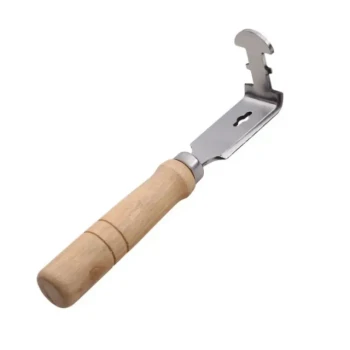
- Professional Stainless Steel Frame Cleaner with Ergonomic Wood Handle
- Wooden Bee Hive Frames for Beekeeping and Wholesale
- Precision Stainless Steel Frame Cleaner for Hive Grooves and Corners
- Professional Galvanized Steel Frame Rest for Beehives
- Stainless Steel J Hook Hive Tool for Beekeeping
People Also Ask
- What are the physical characteristics of the frame cleaning tool? Durable Wood Design for Effective Hive Maintenance
- What is the purpose of the frame cleaning tool? A Precision Tool for Efficient Frame Maintenance
- What tools are used for cleaning frames? A Beekeeper's Simple 4-Tool Guide
- In what specific situation is the frame cleaning tool particularly useful? Master Cut Comb Maintenance
- What is the function of the frame cleaning tool in beekeeping? Streamline Your Apiary Hygiene and Maintenance