For optimal preservation and stability, well-preserved honey typically maintains a moisture content of less than 18 percent. Keeping water levels below this specific threshold is the primary defense mechanism against microorganisms, effectively preventing fermentation and ensuring the product remains shelf-stable over time.
Stability in honey is not guaranteed; it is a direct result of low water activity. While honey is naturally resistant to spoilage, exceeding the 18 percent moisture threshold compromises its integrity, turning a non-perishable food into an unstable product prone to fermentation.
The Science of Honey Stability
The 18 Percent Safety Margin
To be considered well-preserved, honey must create an environment hostile to microbial growth.
The industry standard for this stability is a moisture content of less than 18 percent. By maintaining this low water level, the honey effectively inhibits the microorganisms that drive decomposition.
The Mechanism of Spoilage
When moisture levels rise, the natural preservative qualities of honey diminish.
Water provides the medium necessary for yeast and bacteria to thrive. Without strict moisture control, these microorganisms remain active, leading to fermentation and spoilage.
The Danger Zone
Once moisture content exceeds approximately 19 percent, the product becomes highly unstable.
At this level, fermentation is almost inevitable. This process degrades the flavor and texture, resulting in a significant loss of overall quality.
Sources of Excess Moisture
Environmental Factors
High moisture is often a result of the environment in which the honey was produced.
Harvesting during wet springs or in naturally humid geographical areas can prevent the nectar from evaporating down to the safe 18 percent level naturally.
Premature Harvesting
A common cause of instability is human error regarding harvest timing.
If honey is harvested too early, before it has fully matured in the hive, it will retain excess water. The bees require time to dehydrate the nectar; interrupting this process results in "unripe" honey.
Processing Risks
Even properly matured honey can be compromised after leaving the hive.
The accidental introduction of water during the extraction or bottling process can artificially raise moisture levels, ruining an otherwise stable batch.
Common Pitfalls and Trade-offs
The Risk of Impatience
The most significant trade-off in honey production is between speed and stability.
Harvesting early may seem efficient for production schedules, but it sacrifices the product's shelf life. "Unripe" honey with high moisture content is a perishable good that requires immediate consumption or refrigeration, whereas fully matured honey is shelf-stable.
Managing Environmental Constraints
In areas with consistently high humidity, achieving sub-18 percent moisture naturally is difficult.
Producers in these regions often face a choice: harvest unstable honey or invest in dehumidification equipment. Ignoring the environmental reality inevitably leads to a fermented product.
Making the Right Choice for Your Goal
Whether you are producing honey or evaluating a product for purchase, understanding moisture content is the key to quality control.
- If your primary focus is long-term storage: Ensure the moisture content is strictly below 18 percent to guarantee the honey remains microorganism-free and stable at room temperature.
- If your primary focus is identifying quality defects: Look for signs of fermentation or a moisture reading above 19 percent, which indicates the honey was likely harvested too early or exposed to humidity.
True quality in honey is defined not just by flavor, but by the discipline of moisture control.
Summary Table:
| Moisture Level | Stability Status | Microbial Risk | Recommended Action |
|---|---|---|---|
| < 18% | Highly Stable | Minimal (Hostile to growth) | Ideal for long-term storage |
| 18% - 19% | Marginal | Moderate Risk | Monitor closely; use sooner |
| > 19% | Unstable | High (Fermentation likely) | Requires dehumidification or refrigeration |
Elevate Your Honey Production with HONESTBEE
Maintaining the perfect 18% moisture threshold is the difference between a premium, shelf-stable product and costly spoilage. At HONESTBEE, we empower commercial apiaries and distributors with the professional-grade tools needed to master honey quality. From high-efficiency honey-filling machines to precision honey-making hardware and essential industry consumables, our comprehensive wholesale catalog is designed to streamline your operations and maximize your yields.
Whether you are scaling your honey brand or supplying the world's beekeepers, partner with a team that understands the science of the hive. Contact HONESTBEE today to discover our full range of beekeeping machinery and cultural merchandise tailored to your business needs.
Related Products
- High Quality Honey Dehumidifier Dryer Thickening Machine for Beekeeping
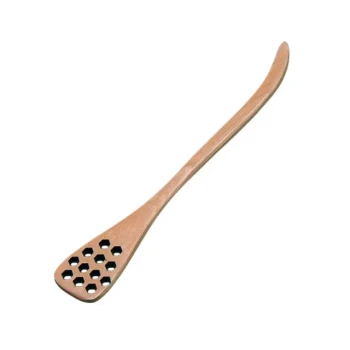
- Modern Honeycomb Pattern Wooden Honey Dipper for Stirring and Drizzling
- Economy Small Scale Honey Dryer Dehumidifier Thickening Machine
- Classic Honey Bear Jars with Flip Top Dispensing Cap for Liquid Sweeteners
- Inverted Squeezable Honey Jar with No Drip Flip Top Cap for Easy Pouring
People Also Ask
- Can you dehumidify honey? A Beekeeper's Guide to Preventing Fermentation
- How to dry up honey? The Safe Guide to Stabilizing Honey and Preventing Fermentation
- How can the moisture content of honey be reduced? A Guide to Safe, Effective Drying Methods
- How to remove humidity from honey? Protect Your Harvest from Fermentation
- How to decrease moisture in honey? Prevent Fermentation and Ensure Long-Term Quality