Regular physical inspection is required to guarantee your beehive roofs are functioning correctly. You must specifically use a probe to test wooden components for soft spots, which indicate rot and water infiltration. Ensure the roof is completely watertight, as preventing moisture entry is the single most critical factor in preserving the hive's integrity.
Effective moisture protection begins with identifying structural weaknesses through physical probing. However, the highest level of defense combines regular inspections with upgraded materials, such as metal covers and natural insulation.
Diagnosing Structural Integrity
The Probe Test
The most reliable way to detect failure in wooden roofs is tactile inspection. Use a tool to firmly probe the wood, looking specifically for areas that yield to pressure.
Identifying Hidden Rot
Soft spots revealed by the probe are a clear sign of rot. These compromised areas are no longer watertight and serve as entry points for moisture.
Verifying the Seal
Your primary goal during maintenance is to ensure the roof remains watertight. If the wood is compromised, it cannot effectively shield the hive from rain or melting snow.
Enhancing Protection with Material Upgrades
Installing Metal Covers
For superior durability, consider the standards used in commercial applications. Roofs equipped with metal covers provide a robust physical barrier that wood alone often cannot match.
utilizing Natural Insulation
Moisture control is closely tied to thermal regulation. Implementing thick natural insulation, such as hemp, helps manage internal condensation while retaining heat.
Integrating Ventilation
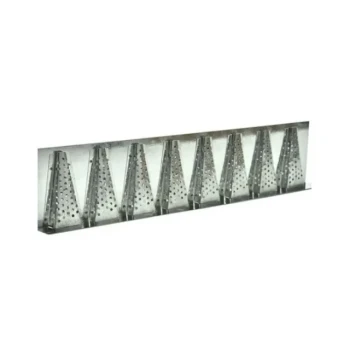
Commercial-grade roofs often feature louvered vents. These allow moisture-laden air to escape without letting precipitation in, striking a critical balance for colony health.
Common Pitfalls to Avoid
Blocking Vital Airflow
When insulating or wrapping the hive, you must never cover the upper ventilation holes. Trapping moist air inside the hive is just as dangerous as letting rain in.
Neglecting Ground Moisture
Focusing solely on the roof is a mistake if the hive sits on damp soil. You must use hive stands to shield the colony from ground-level cold and rising dampness.
Improper Wrapping
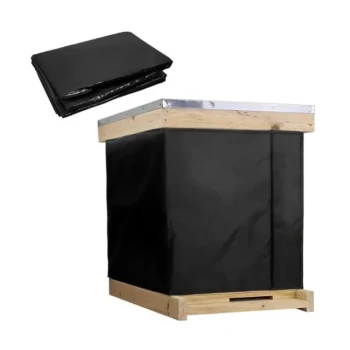
While wrapping a hive in black tar paper aids in solar heat absorption, ensure it does not obstruct the hive entrance. Bees trapped inside will perish.
Making the Right Choice for Your Goal
To ensure your hive remains dry and healthy, prioritize your actions based on your current setup:
- If your primary focus is routine maintenance: Regularly probe all wooden roof surfaces to detect and repair soft spots before they become leaks.
- If your primary focus is maximum protection: Upgrade to a roof system that features a metal cover, louvered vents, and hemp insulation for superior moisture regulation.
- If your primary focus is winter preparation: Utilize hive stands and tar paper wraps, ensuring you leave ventilation holes and entrances completely unobstructed.
Moisture is a silent threat to your colony; rigorous inspection and proper ventilation are your best defenses.
Summary Table:
| Maintenance Factor | Action Required | Benefit |
|---|---|---|
| Structural Integrity | Conduct a tactile probe test on wood | Identifies soft spots and hidden rot |
| Waterproofing | Install metal covers/caps | Provides a robust, durable moisture barrier |
| Condensation | Use thick natural insulation (e.g., hemp) | Regulates temperature and internal humidity |
| Airflow | Clear louvered vents and upper holes | Allows moisture to escape without leaks |
| Ground Protection | Elevate hives on dedicated stands | Shields the colony from rising dampness |
Maximize Your Colony's Survival with HONESTBEE
At HONESTBEE, we specialize in empowering commercial apiaries and beekeeping distributors with the professional-grade tools required for long-term success. Moisture is a silent killer, but our comprehensive wholesale selection offers the ultimate defense.
From high-durability beehive components featuring metal-capped roofs and louvered ventilation systems to industrial hive-making machinery, we supply everything your operation needs to scale efficiently. Partner with us to access a wide array of essential industry consumables and specialized equipment designed for the rigors of commercial beekeeping.
Ready to upgrade your inventory or apiary? Contact us today to discuss our wholesale offerings and discover how HONESTBEE can streamline your production and protect your bees.
Related Products
- Telescopic Beehive Outer Cover Lid Roof with Galvanised Sheeting for Langstroth Hive and Beehive Outer Cover
- Metal Hive Feet Bee Hive Stand for Ant Protection
- Inner Beehive Cover for Beekeeping Bee Hive Inner Cover
- Metal Bee Hive Stand Bee Box Stand for Beekeeping
- Professional Insulated Winter Hive Wrap for Beekeeping
People Also Ask
- What is a telescoping outer cover and what are its advantages? Maximize Hive Protection in Harsh Climates
- What is the function of an outer telescoping cover on a beehive? Ultimate Weather Protection for Your Colony
- What is the purpose of the outer telescoping cover in a beehive? The Key to Weatherproofing Your Hive
- What are the benefits of the telescoping outer cover? Essential Protection for Hive Health & Longevity
- How should a telescoping outer cover be removed? Expert Techniques for Smooth Beekeeping Operations