Commercial control of Varroa mites, American foulbrood, and small hive beetles requires an integrated biosecurity program, not a single product. Beekeepers need routine monitoring, rapid colony-level intervention, strict equipment sanitation, and specialized hardware such as mite-monitoring boards, treatment applicators, hive beetle traps, replacement frames, and cleaning tools. American foulbrood requires additional disease-control measures because infected colonies and equipment can spread persistent bacterial spores throughout an operation.
The central principle is to detect problems early, isolate affected colonies, and match each threat with the correct treatment and equipment. Commercial apiaries should combine documented inspection routines with approved treatments, clean hive components, and disciplined movement controls.
Build an Integrated Apiary Health Program
Monitor every colony on a schedule
Commercial operations should establish a standardized inspection and recordkeeping system for Varroa levels, brood health, adult bee populations, beetle pressure, queen performance, and treatment history. Sampling methods such as alcohol washes or sugar rolls provide more reliable mite estimates than visual inspection alone.
Useful monitoring equipment includes:
- Mite wash containers and sampling kits
- Sticky boards or screened bottom boards
- Inspection tools, hive tools, and protective clothing
- Digital or paper colony health records
- Smart imaging or automated monitoring systems where their accuracy and field support are established
Electronic devices marketed as ultrasound or automated pest-control systems should not replace validated sampling and treatment protocols. Their effectiveness should be demonstrated independently before they are adopted across a commercial operation.
Control movement between colonies
Frames, supers, tools, bees, and honey can transfer pests and pathogens between colonies. Apiary managers should minimize unnecessary movement, clearly identify suspect equipment, and maintain separate workflows for healthy, treated, quarantined, and diseased colonies.
A commercial biosecurity program should also include:
- Dedicated equipment for quarantine yards
- Clearly labeled hive bodies and supers
- Disposable or cleanable gloves
- Hand and tool sanitation between colonies
- Controlled access to storage areas and honey-processing equipment
Control Varroa Mites Before They Damage Colonies
Use threshold-based monitoring
Varroa destructor weakens adult bees, damages developing brood, and contributes to the transmission of viral pathogens. Because mite populations can increase rapidly, treatment decisions should be based on regular sampling and locally appropriate economic thresholds rather than a fixed calendar alone.
Monitoring hardware may include screened bottom boards, sticky inserts, mite trays, alcohol-wash equipment, and precision counting tools. These tools help confirm whether an intervention worked and whether reinfestation has occurred.
Apply approved miticides precisely
Commercial beekeepers may use approved synthetic acaricides, such as products based on amitraz or fluvalinate, where permitted by local regulations and where resistance-management guidance supports their use. Organic options, including formic acid, can be effective when temperature limits, formulation instructions, protective equipment, and honey-use restrictions are followed precisely.
Required application equipment can include:
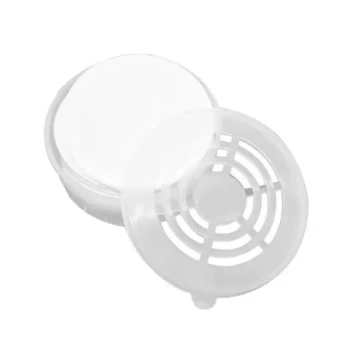
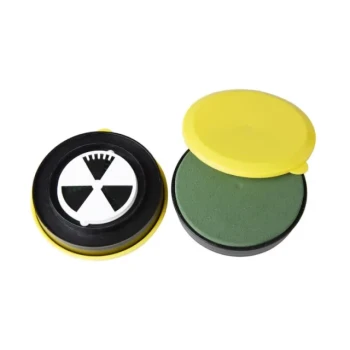
- Formic acid dispensers or controlled-release pads
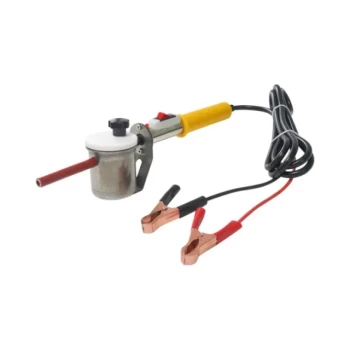
- Oxalic acid vaporizers or drip applicators, where legally approved
- Precision droppers and dosing syringes
- Protective gloves, eye protection, and respirators where required
- Treatment records and residue-control documentation
A treatment is only as reliable as its dose, timing, temperature control, and application method. Incorrect use can injure bees, damage queens, contaminate honey, or fail to control the mite population.
Use brood interruption and colony management
Varroa reproduces primarily in capped brood, so brood interruption, queen caging, splits, artificial swarms, and carefully timed brood breaks can support chemical control. These methods require trained personnel and accurate scheduling, particularly in large operations.
The shook swarm method can also help reset a colony by transferring bees onto clean equipment with new foundation. It must be performed according to local disease-control rules and colony-strength requirements, and it should not be treated as a universal substitute for Varroa monitoring or approved miticides.
Manage resistance and reinfestation
Repeated use of the same active ingredient can select for resistant mite populations. Commercial programs should rotate effective treatment groups when appropriate, avoid underdosing, remove treatments on schedule, and verify results through post-treatment sampling.
Mite control should also account for drift, robbing, and movement of colonies between apiaries, since untreated or heavily infested colonies can quickly reinfest treated colonies.
Respond Properly to American Foulbrood
Treat American foulbrood as a biosecurity event
American foulbrood, caused by Paenibacillus larvae, is particularly serious because its spores can remain viable in contaminated honey, wax, hive components, and tools for many years. Suspect colonies should be marked, restricted from movement, and reported to the relevant apiary authority when required.
Visual signs can include irregular or sunken cappings, discolored larvae, and ropey larval remains, but field symptoms can be confused with other brood conditions. Suspect samples should be confirmed through an appropriate laboratory or qualified inspector.
Use the shook swarm method when appropriate
A shook swarm transfers adult bees onto clean hive bodies, clean frames, and new foundation, while contaminated comb is removed and handled according to local disposal requirements. The method can reduce spore-contaminated material, but it requires a strong enough colony, suitable weather, adequate feed, and strict separation from infected equipment.
The method does not sterilize the adult bees or eliminate every source of infection. It should be used only within a documented disease-control plan and in accordance with local regulations.
Sanitize or replace contaminated equipment
Commercial operations need equipment capable of removing wax, propolis, honey, and organic debris before disinfection. Relevant supplies include:
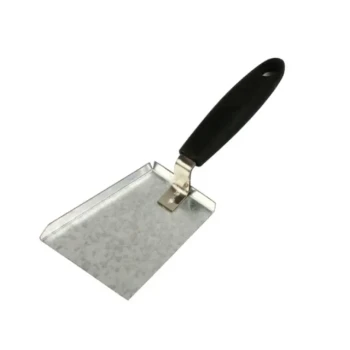
- Hive tools and scrapers
- Hot-water or steam-cleaning equipment
- Dedicated brushes and wash containers
- Approved disinfectants
- Clean replacement frames and foundation sheets
- Secure containers for contaminated comb and debris
- Labels and quarantine storage racks
Porous materials such as old woodenware and comb can be difficult to disinfect reliably. In some cases, regulated destruction or replacement is safer than attempting to return contaminated equipment to production.
Use medications only under regulatory guidance
Antibiotics may be restricted, prescription-controlled, or subject to withdrawal periods depending on the jurisdiction. They should not be used to mask symptoms or replace removal of contaminated equipment, and they should be administered only under applicable veterinary, inspector, and label guidance.
This is essential for both disease control and honey-residue compliance.
Suppress Small Hive Beetles Through Pressure Reduction
Install traps inside hive bodies
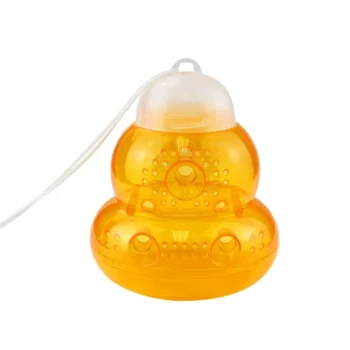
Small hive beetle control is based on reducing adult beetle numbers before they reproduce in comb. Internal hive traps, including tray, in-hive, and attractant-based systems, can intercept adult beetles and limit damage to brood comb and stored honey.
Trap systems should be selected for:
- Compatibility with the hive design
- Secure placement that does not obstruct bees
- Easy inspection and servicing
- Safe handling of captured beetles
- Resistance to leakage or contamination
- Availability of replacement consumables
Traps work best as part of a broader program. They cannot compensate for weak colonies, excess unused comb, poor ventilation, or unsanitary storage conditions.
Maintain strong, well-managed colonies
Strong colonies can patrol comb and suppress beetle activity more effectively than weak colonies. Managers should avoid leaving surplus supers, frames, or abandoned equipment exposed, especially when colonies lack enough bees to cover the comb.
Good practices include:
- Matching hive volume to colony strength
- Removing unused comb and supers
- Preventing robbing
- Repairing damaged hive components
- Reducing moisture and debris accumulation
- Inspecting colonies before moving them or adding equipment
Sanitize yards and storage areas
Small hive beetles can develop in hive debris and nearby soil, depending on local conditions. Apiary sanitation should therefore include removal of cull comb, spilled honey, wax scraps, dead colonies, and abandoned equipment.
Storage facilities should keep frames and supers protected, dry, and inaccessible to beetles. Cleanable floors, covered containers, and dedicated waste-handling equipment improve control across large inventories.
Select Equipment as a Complete Operating System
Core hardware for colony inspections
A distributor or commercial beekeeper should view pest-control supplies as a connected operating system rather than isolated products. A practical inspection package includes hive tools, protective clothing, smokers, frame grips, brood inspection lighting, sampling containers, and colony identification labels.
Standardized hive components also simplify quarantine, frame replacement, and rapid deployment across multiple yards.
Treatment and application equipment
Treatment hardware should support accurate dosing, safe handling, and consistent application. Depending on the approved treatment, this may include evaporators, droppers, dispensers, dosing syringes, protective clothing, chemical storage containers, and temperature-monitoring tools.
Equipment should be compatible with the treatment label and maintained so that dosage remains consistent from colony to colony.
Sanitation and replacement supplies
A commercial supply program should include both cleaning equipment and replacement inventory. Clean frames, foundation, hive bodies, covers, bottom boards, and screened components allow managers to isolate disease and restore colonies without delaying operations.
Fast access to these items matters because disease response is time-sensitive. Stockouts can encourage unsafe reuse of contaminated equipment or delay treatment during a narrow application window.
Understanding the Trade-offs
Chemical treatments require precision
Miticides can be effective, but misuse creates risks involving bee toxicity, queen injury, residues, treatment failure, and resistance. Organic does not mean risk-free; formic acid and other treatments still require exact temperature, dosage, timing, and protective procedures.
Hardware is not a substitute for diagnosis
Traps, screened boards, imaging systems, and monitoring devices improve detection or reduce pest pressure, but none should be treated as proof that a colony is healthy without appropriate inspection. Marketing claims for electronic pest-control devices should be evaluated against independent performance evidence and local regulatory acceptance.
Shook swarms and equipment replacement are resource-intensive
Replacing comb and foundation requires labor, inventory, feed, and strong colony management. It can be highly useful for disease or brood-cycle management, but applying it indiscriminately can reduce colony productivity and increase operational cost.
Probiotics and supplements have a supporting role
Probiotic supplements and nutritional products may support general colony management, but they should not be represented as primary treatments for Varroa, American foulbrood, or small hive beetles. The essential controls remain monitoring, approved treatments, sanitation, colony strength, and movement management.
Regulatory compliance varies by location
Treatment approvals, antibiotic use, honey withdrawal periods, disease-reporting duties, and disposal requirements differ by jurisdiction. Commercial purchasers should confirm that products are properly labeled and supported by current local regulations before placing them into an operating protocol.
How to Apply This to Your Apiary or Supply Program
The most effective purchasing strategy combines recurring consumables with durable inspection and sanitation hardware.
- If your primary focus is Varroa control: Maintain mite-monitoring kits, screened bottom boards, approved miticides, precision applicators, protective equipment, and post-treatment sampling supplies.
- If your primary focus is American foulbrood prevention: Stock clean frames and foundation, replacement hive components, sanitation tools, approved disinfectants, quarantine labels, and secure contaminated-comb disposal supplies.
- If your primary focus is small hive beetle suppression: Use compatible in-hive traps, replacement attractants where applicable, cleanable hive hardware, covered storage equipment, and apiary sanitation tools.
- If your primary focus is commercial fulfillment: Build a standardized product portfolio with compatible components, treatment consumables, rapid-response replenishment, technical product support, and reliable delivery to multiple apiary locations.
A disciplined program that combines early detection, approved treatment, sanitation, and dependable equipment access gives commercial Apis mellifera operations the strongest basis for protecting colony health and maintaining reliable production.
Summary Table:
| Pest/Disease | Key Practices | Essential Equipment |
|---|---|---|
| Varroa mites | Regular monitoring, threshold-based treatment, brood interruption, rotation of miticides | Mite wash kits, sticky boards, screened bottom boards, formic acid dispensers, oxalic acid vaporizers |
| American foulbrood | Early detection, isolate infected colonies, shook swarm method, equipment sanitation | Clean frames, new foundation, hive tools, steam cleaners, approved disinfectants |
| Small hive beetles | In-hive trapping, maintain strong colonies, sanitation of yard and storage | In-hive traps, sealed storage containers, cleanable hive components |
Equip your commercial apiary with high-quality monitoring tools, treatment applicators, and sanitation supplies from HONESTBEE. Our one-stop sourcing and fast delivery ensure you have what you need when it matters. Contact us today to build a resilient pest control strategy.
Related Products
- Varroa Easy Check Mite Tester Kit Counter Alcohol Wash Jar
- Heavy Duty 12V Oxalic Acid Evaporator Vaporizer for Bee Varroa Mite Treatment Beekeeping Fumigator Atomizer
- Durable 12V Oxalic Acid Vaporizer for Varroa Mite Treatment Beehive Beekeeping Tool
- Compact Circular Bee Mite Treatment Dispenser
- Oxalic Acid Vaporizer 12V for Bee Varroa Mite Treatment
People Also Ask
- What tools are utilized within an Integrated Pest Management (IPM) strategy for honeybees? Optimize Colony Health
- What is the significance of standardized detection tools in Varroa control? Data-Driven Beekeeping Strategies
- Why is surfactant added to 70% alcohol for Varroa detection? Ensure Accurate Mite Counts for Professional Beekeeping
- What is the purpose of using white filter cloth for Varroa mite screening? Enhance Detection and Accuracy
- How does a specialized Varroa mite tester with sugar powder facilitate mite diagnosis? Precise B2B Hive Health Solutions