Suitable fuels for a bee smoker include a wide range of natural, untreated organic materials found in both nature and around the homestead. The most reliable options are burlap, corn cobs, wood shavings, pine needles, cardboard, punk wood, bark, sumac bobs, cotton rags, dry leaves, and bailer twine.
To maintain a calm hive, your objective is to produce "cool," white smoke rather than heat or flames. Always prioritize materials that are free from synthetic fibers and chemical treatments to prevent harming the bees.
Categorizing Your Fuel Sources
Effective smoker management often requires two types of fuel: a fast-burning starter to establish the flame, and a dense main fuel to sustain the smoke.
Materials for Ignition
To start your smoker, you need materials that catch fire instantly. Cardboard strips, crumpled newspaper, and paper egg cartons are excellent choices for establishing the initial heat.
Materials for Sustaining Smoke
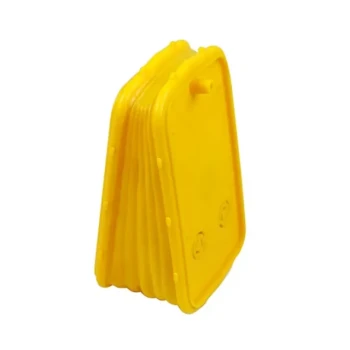
Once the base is lit, you need slower-burning materials that smolder. Dense options like wood pellets, corn cobs, and rolled burlap provide a long-lasting burn.
Field Scraps and Forage
Many beekeepers utilize readily available yard debris. Pine needles, dry leaves, sumac bobs, and punk wood (soft, rotting wood) are highly effective and free to collect.
Understanding Material Properties
Different materials burn at different rates and temperatures. Understanding these properties helps you maintain a consistent smoke during inspections.
Fibrous Materials
Burlap, cotton rags, and natural bailer twine are traditional favorites. They tend to produce a thick, white smoke that is very effective for masking alarm pheromones.
Woody Biomass
Wood shavings and bark provide a clean burn. However, ensure the wood is not treated with preservatives, as these can release toxic fumes.
Compacted Fuels
Corn cobs and commercial wood pellets are dense and burn slowly. These are excellent for longer inspections where you do not want to constantly refuel the smoker.
Common Pitfalls to Avoid
Choosing the wrong fuel can result in hot smoke that singes bees or toxic fumes that harm the colony.
The Danger of Synthetics
Never use synthetic fabrics or plastic-based twines. These materials melt rather than smolder and emit acrid, toxic fumes that will agitate the bees.
Avoiding Chemical Treatments
Avoid bleached paper, pressure-treated lumber, or twine that smells like chemicals. These can introduce poisons into the hive environment.
Managing Heat Output
If your fuel burns too hot, it creates "hot smoke" which can scorch the bees' wings. Punk wood and pine needles are particularly good for keeping the smoke temperature lower.
Making the Right Choice for Your Goal
Select your fuel based on the duration of your inspection and the resources available to you.
- If your primary focus is quick ignition: Use cardboard or newspaper to establish a strong base before adding denser fuels.
- If your primary focus is long duration: Pack the smoker with slow-burning materials like burlap rolls, wood pellets, or corn cobs.
- If your primary focus is cost efficiency: Utilize scavenged natural items like pine needles, dry leaves, and punk wood.
Your choice of fuel is a critical tool in beekeeping; clean, cool smoke ensures a safer experience for both you and your colony.
Summary Table:
| Fuel Category | Common Examples | Best Used For | Smoke Quality |
|---|---|---|---|
| Ignition/Starters | Cardboard, Newspaper, Egg Cartons | Getting the fire started quickly | Fast-burning, hot |
| Sustaining Fuels | Burlap, Wood Pellets, Corn Cobs | Long hive inspections | Dense, long-lasting |
| Natural Forage | Pine Needles, Dry Leaves, Punk Wood | Cost-efficient field use | Cool, white smoke |
| Fibrous Scraps | Cotton Rags, Natural Bailer Twine | Masking alarm pheromones | Thick, consistent smoke |
Elevate Your Beekeeping Operations with HONESTBEE
At HONESTBEE, we understand that professional beekeeping requires reliable tools and high-quality supplies. Whether you are managing a large-scale commercial apiary or operating as a regional distributor, we provide the comprehensive wholesale solutions you need to succeed.
Our extensive portfolio includes everything from precision hive-making and honey-filling machinery to essential industry consumables and premium beekeeping tools. By partnering with us, you gain access to durable hardware and unique honey-themed merchandise designed to grow your business and enhance productivity.
Ready to scale your apiary or stock your distribution center? Contact us today to discuss our wholesale offerings and discover how HONESTBEE can power your success.
Related Products
- 54-Piece Smoker Fuel Pellets for Beekeeping Beehive Smoker Fuel
- Stainless Steel Electric Beehive Smoker for Beekeeping and Bee Keeper Use
- Stainless Steel Perforated Inner Canister for Bee Smoker
- Stainless Steel Honey Bee Smoker Hive and Honeycomb Smoker for Beekeeping
- Premium Traditional Copper Bee Smoker with Bellows
People Also Ask
- What is the best bee hive smoker fuel? Choose Natural, Slow-Burning Fuel for Calm Bees
- What to put in a bee hive smoker? A Guide to Natural, Calming Fuels
- What fuels are recommended for beehive smokers? Master the Art of Calm, Controlled Inspections
- What type of fuel is best for smokers? Choose the Right Fuel for BBQ or Beekeeping
- What types of fuel can be used in a beekeeper's smoker? Best Options for Clean and Effective Smoke