Beehive frames are constructed primarily from two specific materials: wood and plastic. These materials are selected because they are nontoxic to the bees, relatively inexpensive, and capable of supporting the significant weight of brood and honey stored within the hive.
The choice between wood and plastic involves balancing natural properties with modern durability. While wood offers a traditional, flexible structure that requires assembly, plastic provides a rot-resistant, pre-molded solution that prioritizes convenience and pest resistance.
The Traditional Standard: Wooden Frames
Preferred Wood Species
Wooden frames are the classic choice, favored by beekeepers who prioritize natural materials. White Pine is widely considered the best all-around wood for top and bottom bars; it is soft enough to prevent splitting when nailed but stiff enough to survive a high-moisture environment.
Structural Support and Stiffness
For the end bars of the frame, Spruce is often considered superior. Its inherent stiffness and brittleness provide better support than pine, particularly when wiring narrower frames. Repurposed hardwoods that resist splitting can also be used effectively.
Reinforcement Wiring
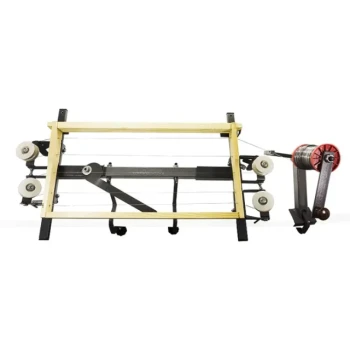
To prevent the honeycomb from collapsing, wooden frames often require internal wiring. Stainless steel wire is the industry standard for this task. However, some beekeepers utilize durable fishing line as an alternative to strengthen the comb, though this cannot be used with wax foundation sheets.
The Modern Alternative: Plastic Frames
Durability and Longevity
Plastic frames are designed for maximum lifespan and resilience. Unlike wood, they do not warp, rot, or degrade over time, and they eliminate the need for sanding or repairs. They are also impervious to burrowing insects, which can help slow the spread of pests that would otherwise penetrate wooden components.
Integrated Design
These frames typically come fully assembled with a molded-plastic foundation already built in. Because they are mass-produced, they adhere to standard sizes, ensuring a consistent and perfect fit within the hive box.
Surface Treatment
To encourage bees to build on the synthetic surface, plastic frames are usually heavily waxed. They are available in various colors, including black, which can make it easier to inspect white eggs and larvae against the dark background.
Understanding the Trade-offs
Bee Acceptance
The most significant challenge with plastic is that bees may be slower to accept it compared to natural wood. If the plastic is not sufficiently coated in wax, the colony may hesitate to draw out the comb.
Assembly vs. Maintenance
Wooden frames often require assembly and wiring, which demands more labor and time from the beekeeper. Plastic frames offer immediate convenience and are easier to clean and sterilize, but they lack the natural feel and repairability of wood.
Making the Right Choice for Your Goal
Ideally, your choice should be dictated by your labor capacity and your philosophy regarding natural materials.
- If your primary focus is a natural ecosystem: Choose Wooden Frames (White Pine or Spruce) to provide a traditional environment, provided you are willing to handle the assembly and wiring.
- If your primary focus is durability and efficiency: Choose Plastic Frames, as they resist rot and pests, come pre-assembled, and require significantly less maintenance over the years.
Select the material that aligns best with your management style, knowing that both can successfully support a healthy colony.
Summary Table:
| Feature | Wooden Frames (Pine/Spruce) | Plastic Frames |
|---|---|---|
| Material | White Pine / Spruce | Food-grade Plastic |
| Durability | Prone to rot; needs assembly | Rot-resistant; one-piece design |
| Pest Resistance | Susceptible to wax moth damage | Resistant to burrowing pests |
| Bee Acceptance | High (Natural feel) | Medium (Requires wax coating) |
| Labor Level | High (Assembly/wiring needed) | Low (Ready to use) |
| Customization | Flexible; repairable | Standardized; non-repairable |
Scaling Your Apiary Business with HONESTBEE
Whether you prefer the natural tradition of high-quality wooden frames or the industrial efficiency of durable plastic solutions, HONESTBEE is your strategic partner for growth. We cater specifically to commercial apiaries and distributors, providing a comprehensive wholesale catalog that includes everything from precision-built hive components to advanced honey-filling machinery.
Why partner with us?
- Complete Wholesale Selection: Full spectrum of beekeeping tools, hardware, and essential consumables.
- Industrial Efficiency: Access specialized hive-making and processing equipment to streamline your operations.
- Diverse Portfolio: From technical machinery to honey-themed cultural merchandise, we support every facet of your business.
Maximize your productivity and offer your customers the best in beekeeping technology. Contact us today to discuss wholesale pricing and bulk solutions!
Related Products
- Wooden Bee Hive Frames for Beekeeping and Wholesale
- Assembled Wooden Bee Frames with Plastic Foundation for Durability and Convenience by HONESTBEE
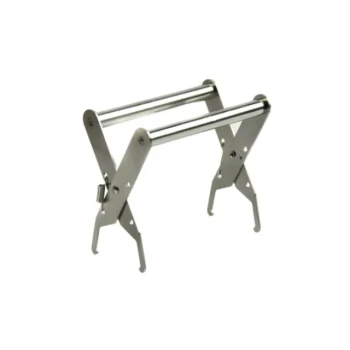
- Heavy-Duty Stainless Steel Clip-On Frame Perch
- HONESTBEE Wired and Assembled Wooden Bee Frames Foundation for a Thriving Hive
- Professional Galvanized Steel Frame Rest for Beehives
People Also Ask
- How does balancing the number of frames impact hive productivity? Optimize Your Apiary's Biological Output
- How do wooden and plastic hive frames compare in terms of durability? Wood vs. Plastic Longevity & Repairability
- What are the main considerations when choosing between wooden and plastic bee hive frames? Optimize Your Apiary's Efficiency
- How should beehive frames be maintained to prolong their lifespan? 5 Pro Tips for Durable Beekeeping Equipment
- What is the primary function of frames within a beehive system? Structural Foundation and Hive Management